THE ADVENTURE COLLECTIVE® · Independent discovery and booking for outdoor travel

Explore Hoi An on a Trek Marlin rental and weave through rice paddies, fishing villages, and quiet coastal lanes. This practical guide covers what to expect, how to prepare, and the best times to ride.
Explore Hoi An on a Trek Marlin rental and weave through rice paddies, fishing villages, and quiet coastal lanes. This practical guide covers what to expect, how to prepare, and the best times to ride.
The morning light slants across low, flooded rice paddies as your wheels hum along a quiet concrete lane. Cyclists pass water buffalo grazing at the edge of fields; a river dares you to follow its braided channels toward the sea. This is Hoi An by bike: compact, slow-moving, and full of corners that reward curiosity.
Verified experiences and guided adventures in the surrounding area.
Operated by Bee Bike - Bike rental and Hoi An Cyling tours · Hoi An, Quang Nam
The morning light slants across low, flooded rice paddies as your wheels hum along a quiet concrete lane. Cyclists pass water buffalo grazing at the edge of fields; a river dares you to follow its braided channels toward the sea. This is Hoi An by bike: compact, slow-moving, and full of corners that reward curiosity.
Hoi An was a major trading port from the 15th to 19th centuries, its streets lined with merchant houses and Chinese assembly halls; the surrounding lowlands are young alluvial plains built by the Thu Bồn River. Local culture still orbits farming and fishing—Tra Que vegetable plots and coconut groves at Cam Thanh provide a living backdrop to the town’s UNESCO-protected core.
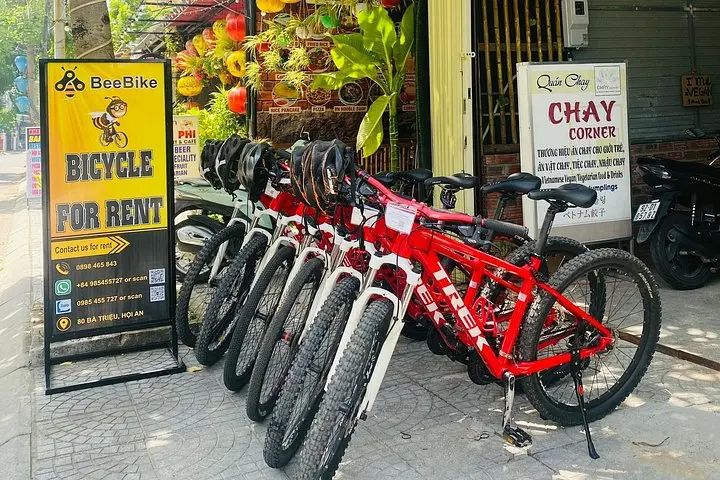
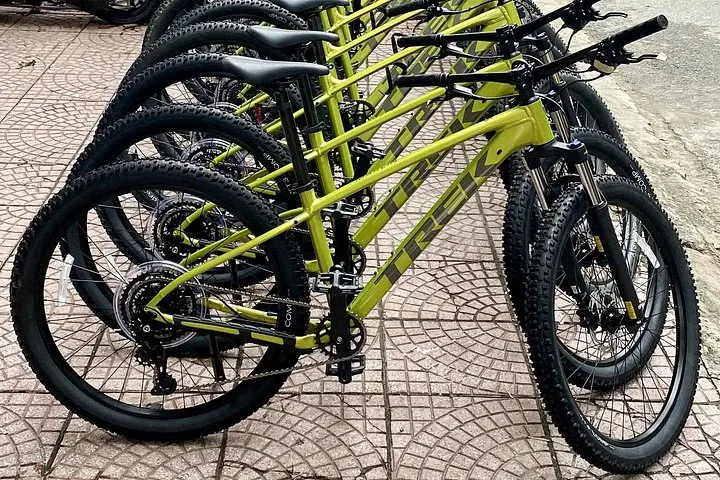
Practical guidance: rentals here typically use modern Trek Marlin 5 Gen 3 mountain bikes—sturdy, with front suspension and multiple gears—good for flat town lanes, packed earth farm tracks, and occasional cobbles. Helmets and locks are standard; shops in central Hoi An let you pick up and drop off conveniently. Choose early morning or late afternoon to avoid traffic and midday heat; allow 3–6 hours to reach nearby beaches, villages, and the vegetable gardens at a relaxed pace.
Expect low technical demand but variable surfaces—pavement, packed sand, and small ruts. Bring hydration, sun protection, and a small repair kit or choose shops that provide roadside support. A bike here isn’t just transport—it’s a way to slow the landscape down and read the region by pedal cadence.
Advance booking is helpful during high season, but many shops offer walk-up rentals—instant confirmation is common.
Yes; reputable rental operators supply helmets and locks as part of the rental package.
Yes—both beaches are reachable within 20–40 minutes from central Hoi An on mostly flat roads; expect some sandy stretches near shorelines.
Traffic is generally manageable on side roads and rural lanes, but be cautious in town centers where scooters and buses mingle.
Bee Bike - Bike rental and Hoi An Cyling tours operates guided outdoor trips and adventures with an emphasis on safety, stewardship, and memorable experiences.
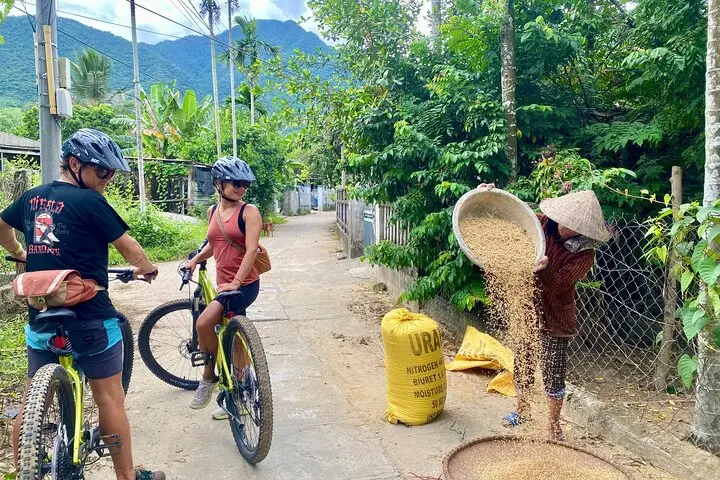
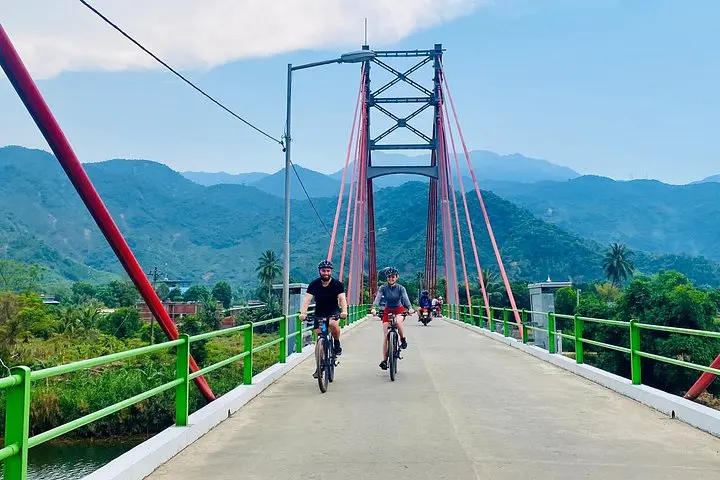
The morning light slants across low, flooded rice paddies as your wheels hum along a quiet concrete lane. Cyclists pass water buffalo grazing at the edge of fields; a river dares you to follow its braided channels toward the sea. This is Hoi An by bike: compact, slow-moving, and full of corners that reward curiosity.
The morning light slants across low, flooded rice paddies as your wheels hum along a quiet concrete lane. Cyclists pass water buffalo grazing at the edge of fields; a river dares you to follow its braided channels toward the sea. This is Hoi An by bike: compact, slow-moving, and full of corners that reward curiosity.
Hoi An was a major trading port from the 15th to 19th centuries, its streets lined with merchant houses and Chinese assembly halls; the surrounding lowlands are young alluvial plains built by the Thu Bồn River. Local culture still orbits farming and fishing—Tra Que vegetable plots and coconut groves at Cam Thanh provide a living backdrop to the town’s UNESCO-protected core.
Practical guidance: rentals here typically use modern Trek Marlin 5 Gen 3 mountain bikes—sturdy, with front suspension and multiple gears—good for flat town lanes, packed earth farm tracks, and occasional cobbles. Helmets and locks are standard; shops in central Hoi An let you pick up and drop off conveniently. Choose early morning or late afternoon to avoid traffic and midday heat; allow 3–6 hours to reach nearby beaches, villages, and the vegetable gardens at a relaxed pace.
Expect low technical demand but variable surfaces—pavement, packed sand, and small ruts. Bring hydration, sun protection, and a small repair kit or choose shops that provide roadside support. A bike here isn’t just transport—it’s a way to slow the landscape down and read the region by pedal cadence.