THE ADVENTURE COLLECTIVE® · Independent discovery and booking for outdoor travel

Explore Milan on two wheels: a flat, bike-friendly city that delivers parks, canals, and landmarks within easy reach. This guide explains what to expect—routes, terrain, timing, and practical tips for a stress-free rental ride.
Explore Milan on two wheels: a flat, bike-friendly city that delivers parks, canals, and landmarks within easy reach. This guide explains what to expect—routes, terrain, timing, and practical tips for a stress-free rental ride.
The clack of gears and the hush of bike tires on stone bring Milan into a different light: streets that hum with fashion and finance open like chapters of a city built to move. Start in Sempione Park where plane trees shade wide paths, pedal through the open courtyard of Sforza Castle, and let the Duomo’s gothic spires grow taller as you approach.
Verified experiences and guided adventures in the surrounding area.
Operated by Fat Tire Tours Holdings LLC - Italy · Milan, Lombardy
The clack of gears and the hush of bike tires on stone bring Milan into a different light: streets that hum with fashion and finance open like chapters of a city built to move. Start in Sempione Park where plane trees shade wide paths, pedal through the open courtyard of Sforza Castle, and let the Duomo’s gothic spires grow taller as you approach.
Milan’s streets reflect layers of history—Roman grids beneath Renaissance palaces and 19th‑century boulevards such as the Arch of Peace. Geologically the Po Valley is flat and fertile; elevation gain across urban routes is negligible, making cycling accessible even for casual riders. Culturally, neighborhoods like Brera and the Navigli carry distinct rhythms: artisan cafés, canal-side boat locks, and workshops that recall the city’s long craft traditions.
Practically, expect flat, mostly paved terrain with occasional cobblestones in the historic center; a typical self-directed loop covering Sempione, Duomo, Navigli and back is 8–15 km depending on detours, with under 50 m of climbing. Helmets and locks are included; tag‑alongs are available for young riders. Peak hours mean heavier vehicle traffic—early morning or late afternoon offers cooler temperatures and quieter lanes.
Plan for sun protection, a water bottle, and shoes that handle short walks when you lock up to visit museums. Reserve time if you want to see Leonardo’s Last Supper—tickets sell out and require separate booking. Riding a bike in Milan is practical, efficient, and one of the clearest ways to read the city’s past and present as you move through it.
Yes—helmets and bike locks are included with the rental; you can also bring your own helmet for personal fit.
You can lock the bike nearby, but access to Leonardo’s Last Supper requires a timed museum ticket purchased separately—book well in advance.
Yes—tag‑alongs and trailers are available for young riders; check availability when booking to reserve the right equipment.
Full refunds are available if you cancel at least 24 hours before the scheduled start time; no refund within 24 hours.
Fat Tire Tours Holdings LLC - Italy operates guided outdoor trips and adventures with an emphasis on safety, stewardship, and memorable experiences.
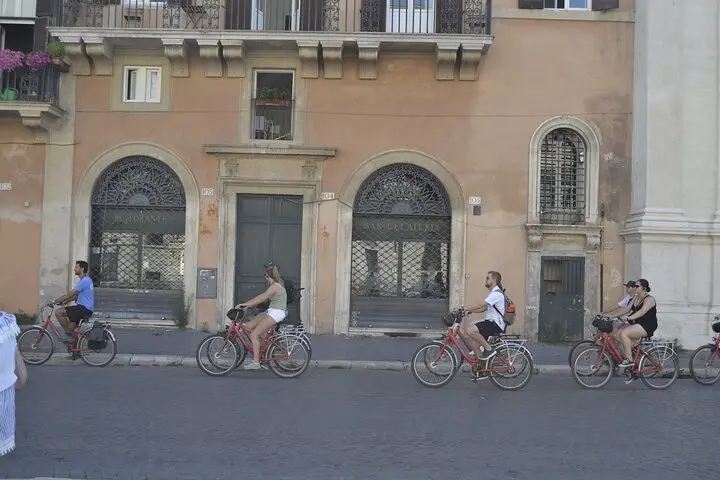
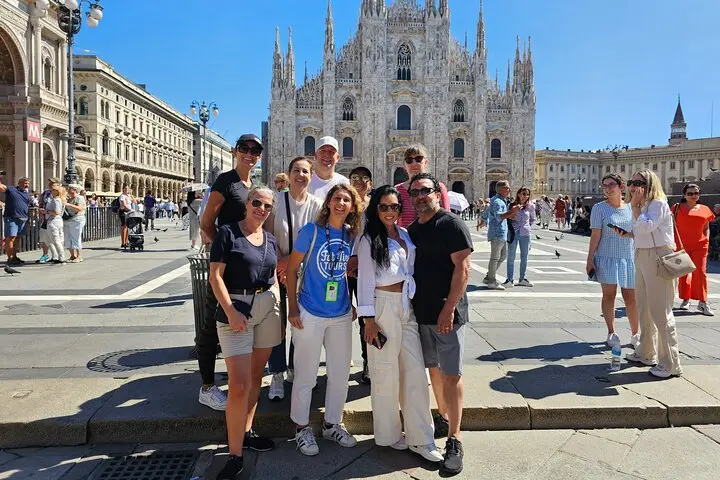
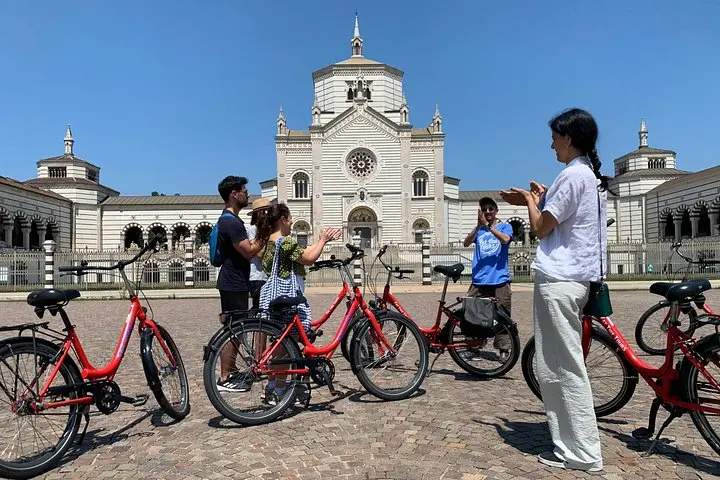
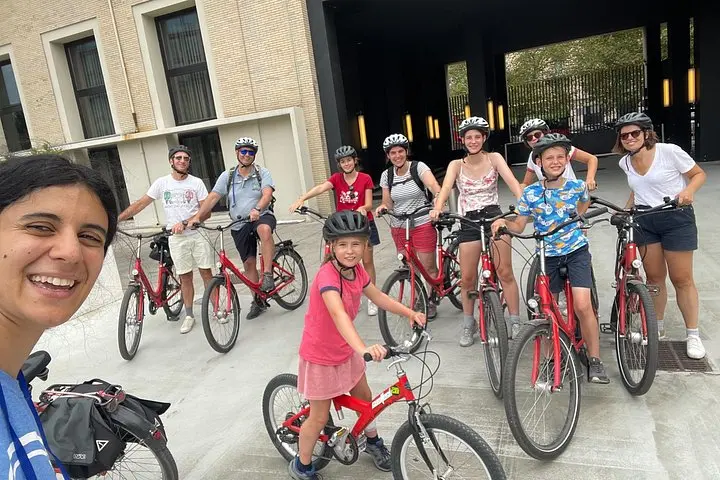
The clack of gears and the hush of bike tires on stone bring Milan into a different light: streets that hum with fashion and finance open like chapters of a city built to move. Start in Sempione Park where plane trees shade wide paths, pedal through the open courtyard of Sforza Castle, and let the Duomo’s gothic spires grow taller as you approach.
The clack of gears and the hush of bike tires on stone bring Milan into a different light: streets that hum with fashion and finance open like chapters of a city built to move. Start in Sempione Park where plane trees shade wide paths, pedal through the open courtyard of Sforza Castle, and let the Duomo’s gothic spires grow taller as you approach.
Milan’s streets reflect layers of history—Roman grids beneath Renaissance palaces and 19th‑century boulevards such as the Arch of Peace. Geologically the Po Valley is flat and fertile; elevation gain across urban routes is negligible, making cycling accessible even for casual riders. Culturally, neighborhoods like Brera and the Navigli carry distinct rhythms: artisan cafés, canal-side boat locks, and workshops that recall the city’s long craft traditions.
Practically, expect flat, mostly paved terrain with occasional cobblestones in the historic center; a typical self-directed loop covering Sempione, Duomo, Navigli and back is 8–15 km depending on detours, with under 50 m of climbing. Helmets and locks are included; tag‑alongs are available for young riders. Peak hours mean heavier vehicle traffic—early morning or late afternoon offers cooler temperatures and quieter lanes.
Plan for sun protection, a water bottle, and shoes that handle short walks when you lock up to visit museums. Reserve time if you want to see Leonardo’s Last Supper—tickets sell out and require separate booking. Riding a bike in Milan is practical, efficient, and one of the clearest ways to read the city’s past and present as you move through it.