THE ADVENTURE COLLECTIVE® · Independent discovery and booking for outdoor travel

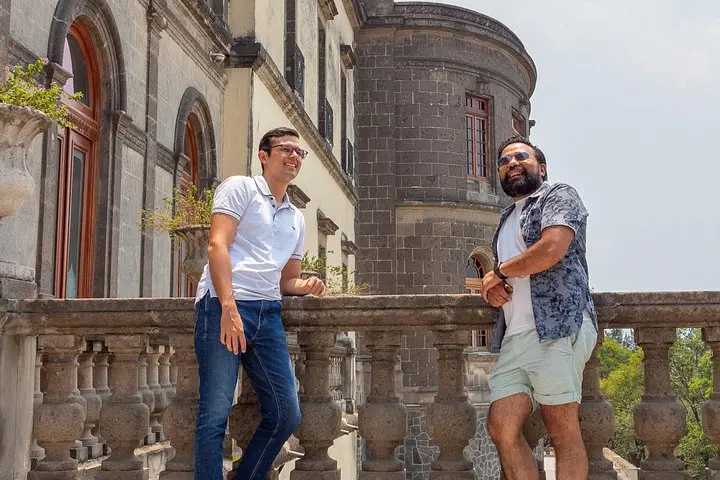
Ride from Reforma’s grand monuments into the cool canopy of Chapultepec. This guided bike tour combines city history, public art and a view from Chapultepec Castle with practical urban cycling for newcomers and regulars alike.
Ride from Reforma’s grand monuments into the cool canopy of Chapultepec. This guided bike tour combines city history, public art and a view from Chapultepec Castle with practical urban cycling for newcomers and regulars alike.
A cool morning on Paseo de la Reforma feels like the city taking a breath: cyclists threading between wide boulevards, the Angel of Independence watching over columns of light. Pedaling east toward Chapultepec, the traffic noise thins and the air turns green as the park’s century-old oaks begin to shade the route.
Verified experiences and guided adventures in the surrounding area.
Operated by GM International Travel · Mexico City, CDMX
A cool morning on Paseo de la Reforma feels like the city taking a breath: cyclists threading between wide boulevards, the Angel of Independence watching over columns of light. Pedaling east toward Chapultepec, the traffic noise thins and the air turns green as the park’s century-old oaks begin to shade the route.
This ride threads modern Mexico City with imperial echoes. Paseo de la Reforma was reimagined in the 19th century as a grand boulevard and later lined with monuments that chart national identity. Chapultepec Hill holds pre-Hispanic significance and, by the 19th century, became the site of the Castillo — a former military college and imperial residence now housing the National Museum of History. Geologically, the park sits on an elevated outcrop in the basin of Mexico City, with soils and old springs that shaped its lakes and gardens.
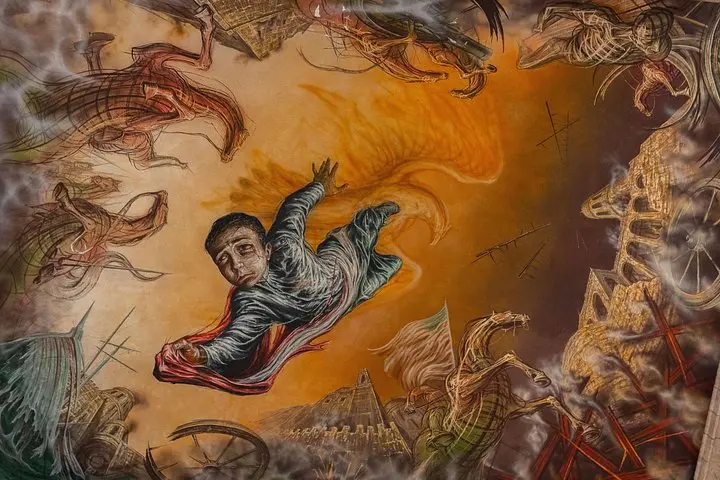
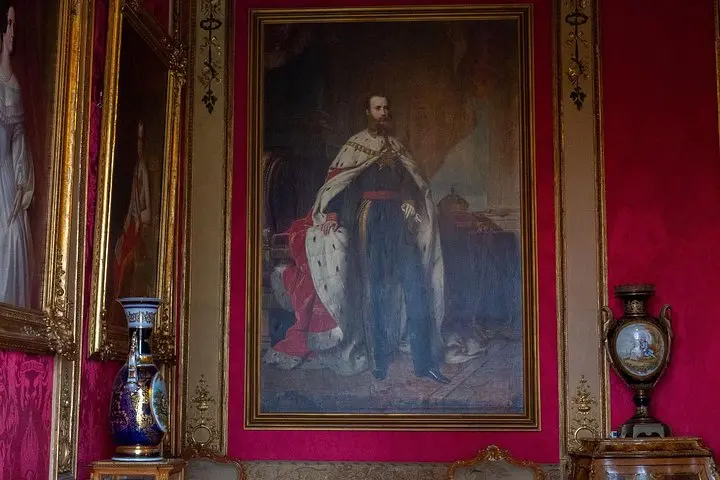
Culturally the tour passes public art and murals, including works tied to Mexico’s revolutionary and modern eras; inside the Castillo visitors encounter Siqueiros murals and European-period rooms from Maximilian’s brief empire.
Practical guidance: the guided route is urban and mostly flat but includes short climbs inside Chapultepec; expect roughly 2½ hours of moderate-paced cycling. Sunday mornings are ideal — Reforma is closed to cars during Ciclovía — but early weekdays avoid the largest crowds. Bring a helmet, refillable water, sun protection, and a compact lock if you plan short stops at museums. Listen to your bilingual guide for traffic cues and museum logistics: they’ll handle route flow so you can focus on the city’s layers of history and green relief.
Many guided city bike tours include a bike and helmet, but offerings vary—confirm at booking or with the operator before arrival.
The tour is rated easy and suitable for most fitness levels: mostly flat streets with brief uphill sections inside Chapultepec Park.
The operator’s stated policy allows a full refund if you cancel at least 24 hours before the scheduled departure time.
Yes, the itinerary includes the Castillo, but museum entry may require separate admission and adds time—check if the tour fee includes museum tickets.
GM International Travel operates guided outdoor trips and adventures with an emphasis on safety, stewardship, and memorable experiences.
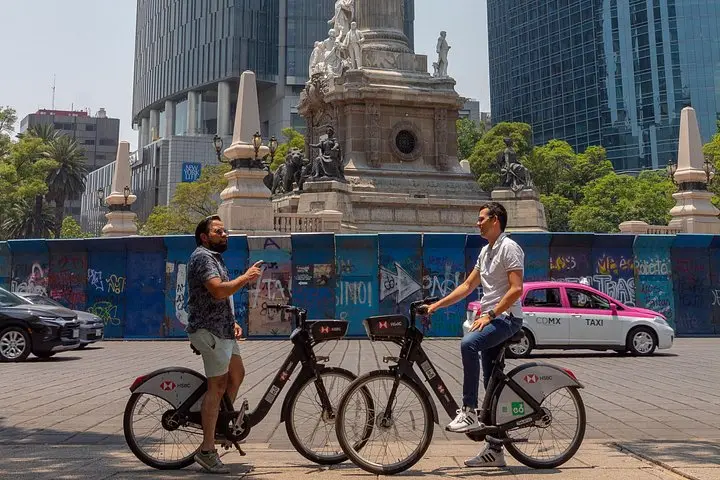
A cool morning on Paseo de la Reforma feels like the city taking a breath: cyclists threading between wide boulevards, the Angel of Independence watching over columns of light. Pedaling east toward Chapultepec, the traffic noise thins and the air turns green as the park’s century-old oaks begin to shade the route.
A cool morning on Paseo de la Reforma feels like the city taking a breath: cyclists threading between wide boulevards, the Angel of Independence watching over columns of light. Pedaling east toward Chapultepec, the traffic noise thins and the air turns green as the park’s century-old oaks begin to shade the route.
This ride threads modern Mexico City with imperial echoes. Paseo de la Reforma was reimagined in the 19th century as a grand boulevard and later lined with monuments that chart national identity. Chapultepec Hill holds pre-Hispanic significance and, by the 19th century, became the site of the Castillo — a former military college and imperial residence now housing the National Museum of History. Geologically, the park sits on an elevated outcrop in the basin of Mexico City, with soils and old springs that shaped its lakes and gardens.
Culturally the tour passes public art and murals, including works tied to Mexico’s revolutionary and modern eras; inside the Castillo visitors encounter Siqueiros murals and European-period rooms from Maximilian’s brief empire.
Practical guidance: the guided route is urban and mostly flat but includes short climbs inside Chapultepec; expect roughly 2½ hours of moderate-paced cycling. Sunday mornings are ideal — Reforma is closed to cars during Ciclovía — but early weekdays avoid the largest crowds. Bring a helmet, refillable water, sun protection, and a compact lock if you plan short stops at museums. Listen to your bilingual guide for traffic cues and museum logistics: they’ll handle route flow so you can focus on the city’s layers of history and green relief.