THE ADVENTURE COLLECTIVE® · Independent discovery and booking for outdoor travel

Pedal through Sri Lanka’s Cultural Triangle on a day trip from Negombo—10 km of village roads, paddy fields and reservoirs that lead to the Dambulla Cave Temple and Sigiriya’s Lion Rock. Expect frescoes, family lunches, and a practical, active look at rural life.
Pedal through Sri Lanka’s Cultural Triangle on a day trip from Negombo—10 km of village roads, paddy fields and reservoirs that lead to the Dambulla Cave Temple and Sigiriya’s Lion Rock. Expect frescoes, family lunches, and a practical, active look at rural life.
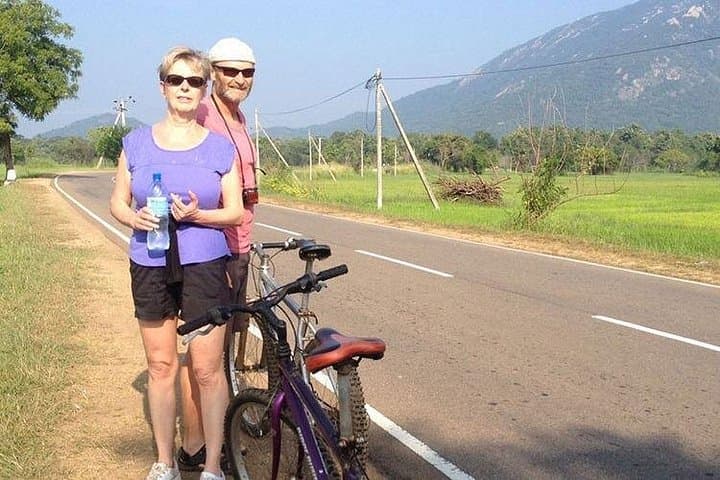
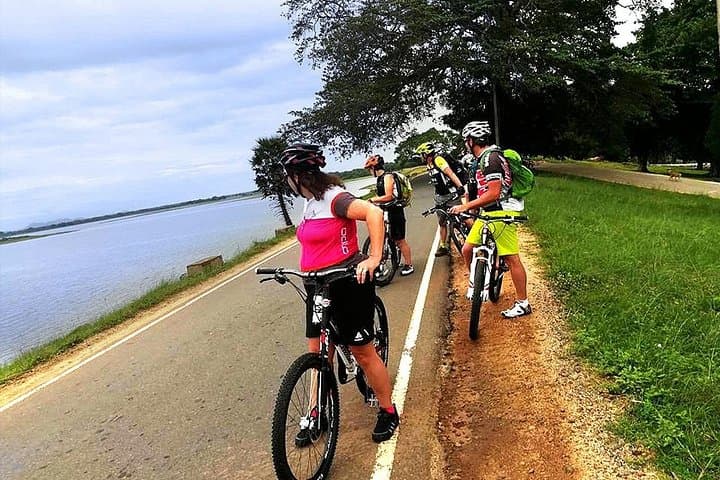
The morning sun peels open over flooded paddy fields as your tires whisper along a narrow country lane. In the distance a sheer, rust-red column—Sigiriya, the Lion Rock—rises out of flat farmland like a citadel from another age. The guide calls out in friendly Sinhala, points to a heron lifting off from a reservoir, and you pedal on: a compact cycle safari that stitches together cave temples, irrigation tanks, and village life in a single day.
Verified experiences and guided adventures in the surrounding area.
Operated by Ceylon Travel Dream · Sigiriya, Central Province
The morning sun peels open over flooded paddy fields as your tires whisper along a narrow country lane. In the distance a sheer, rust-red column—Sigiriya, the Lion Rock—rises out of flat farmland like a citadel from another age. The guide calls out in friendly Sinhala, points to a heron lifting off from a reservoir, and you pedal on: a compact cycle safari that stitches together cave temples, irrigation tanks, and village life in a single day.
Geology and history stake the route. Sigiriya is a 180‑metre-high volcanic plug crowned by the ruins of King Kashyapa’s 5th‑century palace; its painted frescoes and the lion’s paw gateway are echoes of a royal experiment in power. Nearby, the Dambulla Cave Temple complex occupies living rock—five caves painted and carved over centuries, with pre‑Brahmi inscriptions and eighteenth‑century murals that map Sri Lanka’s religious continuity. Between them the land has been shaped by ancient water engineering: reservoirs (tanks) and canals that still hold mirror images of temples and palms.
Culture here moves at a human pace. Villagers work the rice paddies in rhythm with the monsoon, fishermen cast nets from the edges of man‑made tanks, and lunch is often a shared, smoky affair of rice, spicy sambol, and roasted fish served by a family who knows the route well. Respect at religious sites matters—shoulders and knees covered, shoes off inside caves—and money for modest entrance fees and local crafts keeps the economic benefits close to the ground.
Practicalities: the cycling portion covers roughly 10 km of mixed terrain—quiet paved village roads, compacted dirt tracks and short, gentle climbs. Expect 2–4 hours of riding interspersed with photo stops, temple visits and a village lunch; the full day is a long transfer from Negombo and back, so plan for a 12–14 hour itinerary door‑to‑door. Bikes, helmets and an English‑speaking cycle guide are provided; water is included but carry a small pack for snacks, sunscreen, and a change of clothes if you plan to swim in a reservoir.
Fitness and safety: this is a moderate outing—steady pedaling, balance on uneven shoulders and quick dismounts for livestock or puddles. Wear closed shoes with good grip, protect exposed skin from sun and insects, and bring local cash for temple admissions and small purchases. If you prefer a gentler pace, tell your guide—routes can be adapted.
What stays after the day is over is clear: the vertical drama of Lion Rock when you first see it from a field, the hush in the painted Dambulla caves, and the simple reward of a cool swim beside an ancient tank. It’s a window into Sri Lankan rural life, served up on two wheels.
The guided cycling section is approximately 10 km around the Dambulla and Sigiriya foothills, spread across several short loops with stops.
No—admissions to Dambulla and Sigiriya are typically not included; bring Sri Lankan rupees for tickets and local donations.
Plan for a long day—roughly 12–14 hours door to door from Negombo, with 2–4 hours spent cycling and the rest in transit and visiting sites.
Beginners with basic cycling ability can join, but you should be comfortable riding mixed surfaces and be able to maintain a gentle pace for several hours.
Yes—the itinerary usually includes a stop at a reservoir where swimming is possible; bring swimwear and a towel.
Pickup varies by hotel but is often early morning; the operator requests guests be ready about 30 minutes before departure time.
Ceylon Travel Dream operates guided outdoor trips and adventures with an emphasis on safety, stewardship, and memorable experiences.


The morning sun peels open over flooded paddy fields as your tires whisper along a narrow country lane. In the distance a sheer, rust-red column—Sigiriya, the Lion Rock—rises out of flat farmland like a citadel from another age. The guide calls out in friendly Sinhala, points to a heron lifting off from a reservoir, and you pedal on: a compact cycle safari that stitches together cave temples, irrigation tanks, and village life in a single day.
The morning sun peels open over flooded paddy fields as your tires whisper along a narrow country lane. In the distance a sheer, rust-red column—Sigiriya, the Lion Rock—rises out of flat farmland like a citadel from another age. The guide calls out in friendly Sinhala, points to a heron lifting off from a reservoir, and you pedal on: a compact cycle safari that stitches together cave temples, irrigation tanks, and village life in a single day.
Geology and history stake the route. Sigiriya is a 180‑metre-high volcanic plug crowned by the ruins of King Kashyapa’s 5th‑century palace; its painted frescoes and the lion’s paw gateway are echoes of a royal experiment in power. Nearby, the Dambulla Cave Temple complex occupies living rock—five caves painted and carved over centuries, with pre‑Brahmi inscriptions and eighteenth‑century murals that map Sri Lanka’s religious continuity. Between them the land has been shaped by ancient water engineering: reservoirs (tanks) and canals that still hold mirror images of temples and palms.
Culture here moves at a human pace. Villagers work the rice paddies in rhythm with the monsoon, fishermen cast nets from the edges of man‑made tanks, and lunch is often a shared, smoky affair of rice, spicy sambol, and roasted fish served by a family who knows the route well. Respect at religious sites matters—shoulders and knees covered, shoes off inside caves—and money for modest entrance fees and local crafts keeps the economic benefits close to the ground.
Practicalities: the cycling portion covers roughly 10 km of mixed terrain—quiet paved village roads, compacted dirt tracks and short, gentle climbs. Expect 2–4 hours of riding interspersed with photo stops, temple visits and a village lunch; the full day is a long transfer from Negombo and back, so plan for a 12–14 hour itinerary door‑to‑door. Bikes, helmets and an English‑speaking cycle guide are provided; water is included but carry a small pack for snacks, sunscreen, and a change of clothes if you plan to swim in a reservoir.
Fitness and safety: this is a moderate outing—steady pedaling, balance on uneven shoulders and quick dismounts for livestock or puddles. Wear closed shoes with good grip, protect exposed skin from sun and insects, and bring local cash for temple admissions and small purchases. If you prefer a gentler pace, tell your guide—routes can be adapted.
What stays after the day is over is clear: the vertical drama of Lion Rock when you first see it from a field, the hush in the painted Dambulla caves, and the simple reward of a cool swim beside an ancient tank. It’s a window into Sri Lankan rural life, served up on two wheels.