THE ADVENTURE COLLECTIVE® · Independent discovery and booking for outdoor travel

Pedal through rice fields, village lanes and ancient temple compounds on a 4–5 hour guided cycling loop outside Yogyakarta. This family-friendly ride mixes easy terrain with cultural stops at Sari and Plaosan temples.
Pedal through rice fields, village lanes and ancient temple compounds on a 4–5 hour guided cycling loop outside Yogyakarta. This family-friendly ride mixes easy terrain with cultural stops at Sari and Plaosan temples.
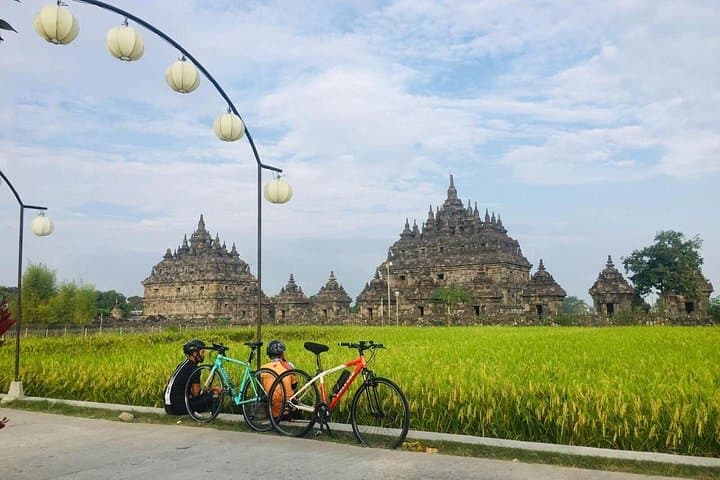
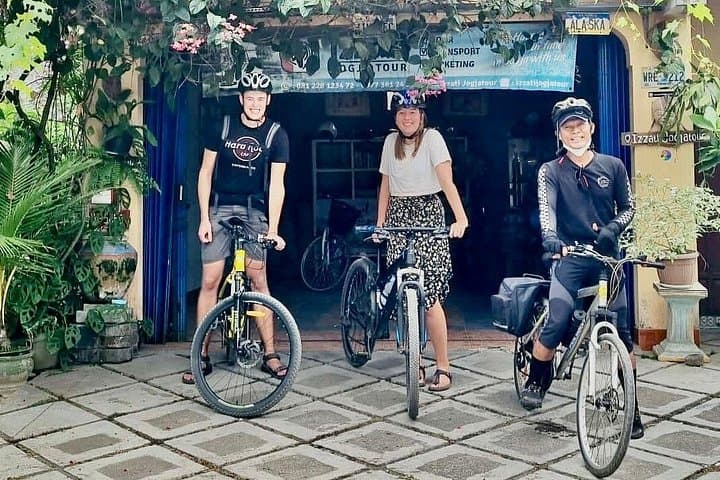
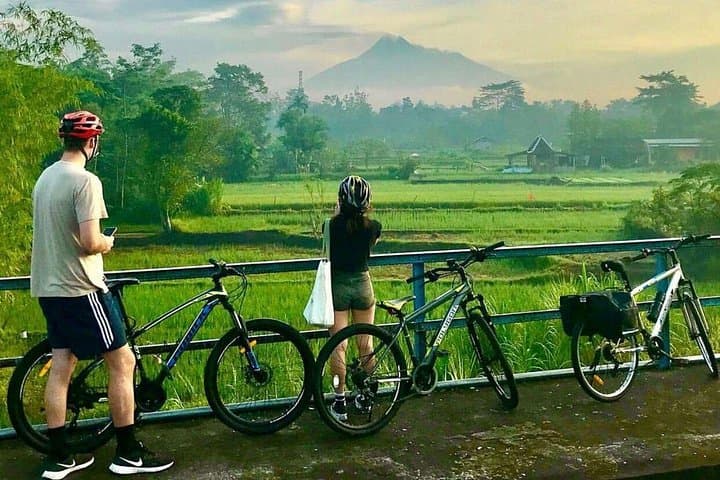
You set off before the heat of the day, tires whispering along narrow concrete that threads between emerald rice paddies. The guide checks helmets, hands over a comfort bike, and you roll past farmers bent over seedlings, a river nudging at the road’s edge as temple spires peek above the palms.
Verified experiences and guided adventures in the surrounding area.
Operated by Izzati Jogjatour · Yogyakarta, Special Region of Yogyakarta
You set off before the heat of the day, tires whispering along narrow concrete that threads between emerald rice paddies. The guide checks helmets, hands over a comfort bike, and you roll past farmers bent over seedlings, a river nudging at the road’s edge as temple spires peek above the palms.
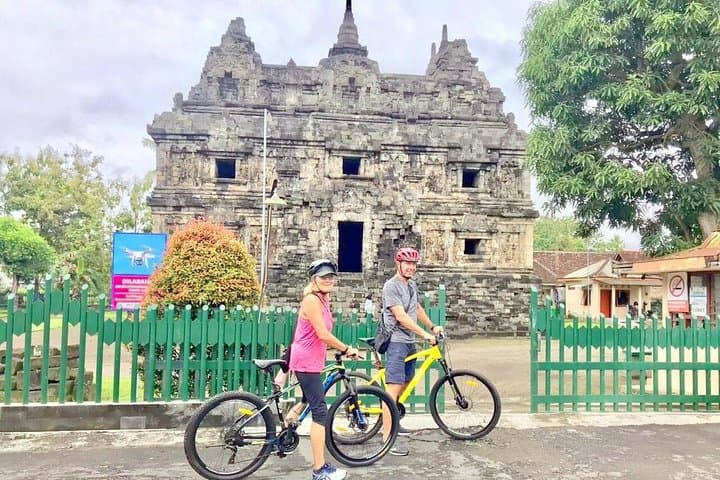
This loop weaves simple rural life with Indonesia’s layered history: small Buddhist and Hindu shrines that predate modern Jogja sit within agricultural flats formed by volcanic soils from nearby Merapi centuries ago. Plaosan’s twin temples reveal a blended Hindu–Buddhist architecture; Sari began as a Buddhist monastery. The route is cultural as much as scenic — village homes, open markets, and fields where seasonal crops change the palette.
Expect mostly flat to gently rolling terrain, around 20–25 km over 4–5 hours with minimal elevation gain; short, paved climbs and some rough farm tracks make steady pedaling and basic bike handling useful. Temples on this route typically require separate entry fees if you wish to go inside; the tour includes stops and a guide but not admission.
Practical edge: ride early to avoid midday sun, carry sun protection and fluids (bottled water provided on the tour), and wear closed-toe shoes for farm-track sections. Respect temple dress codes—bring a lightweight sarong or long-sleeve layer for entrances. The route is private, family-friendly for moderately fit riders, and pairs cultural insight with an easygoing outdoor ride that brings Jogja’s villages to life.
Admission to temples is typically not included on this tour; your guide can advise on fees at each stop and assist with tickets.
No advanced skills required, but participants should be comfortable on a bicycle for several hours and able to handle short unpaved sections.
Private transportation is listed as included—confirm exact pickup point during booking; many tours offer hotel pickup in Yogyakarta.
Wear modest clothing that covers shoulders and knees or bring a sarong or scarf to cover up when entering temple grounds.
Izzati Jogjatour operates guided outdoor trips and adventures with an emphasis on safety, stewardship, and memorable experiences.
You set off before the heat of the day, tires whispering along narrow concrete that threads between emerald rice paddies. The guide checks helmets, hands over a comfort bike, and you roll past farmers bent over seedlings, a river nudging at the road’s edge as temple spires peek above the palms.
You set off before the heat of the day, tires whispering along narrow concrete that threads between emerald rice paddies. The guide checks helmets, hands over a comfort bike, and you roll past farmers bent over seedlings, a river nudging at the road’s edge as temple spires peek above the palms.
This loop weaves simple rural life with Indonesia’s layered history: small Buddhist and Hindu shrines that predate modern Jogja sit within agricultural flats formed by volcanic soils from nearby Merapi centuries ago. Plaosan’s twin temples reveal a blended Hindu–Buddhist architecture; Sari began as a Buddhist monastery. The route is cultural as much as scenic — village homes, open markets, and fields where seasonal crops change the palette.
Expect mostly flat to gently rolling terrain, around 20–25 km over 4–5 hours with minimal elevation gain; short, paved climbs and some rough farm tracks make steady pedaling and basic bike handling useful. Temples on this route typically require separate entry fees if you wish to go inside; the tour includes stops and a guide but not admission.
Practical edge: ride early to avoid midday sun, carry sun protection and fluids (bottled water provided on the tour), and wear closed-toe shoes for farm-track sections. Respect temple dress codes—bring a lightweight sarong or long-sleeve layer for entrances. The route is private, family-friendly for moderately fit riders, and pairs cultural insight with an easygoing outdoor ride that brings Jogja’s villages to life.