THE ADVENTURE COLLECTIVE® · Independent discovery and booking for outdoor travel

Pedal through two millennia of history in Anuradhapura: flat routes, monumental ruins, and engineered reservoirs define a guided 3–4 hour cultural bike tour. Expect temple visits, shaded park paths, and frequent photo stops with local insights.
Pedal through two millennia of history in Anuradhapura: flat routes, monumental ruins, and engineered reservoirs define a guided 3–4 hour cultural bike tour. Expect temple visits, shaded park paths, and frequent photo stops with local insights.
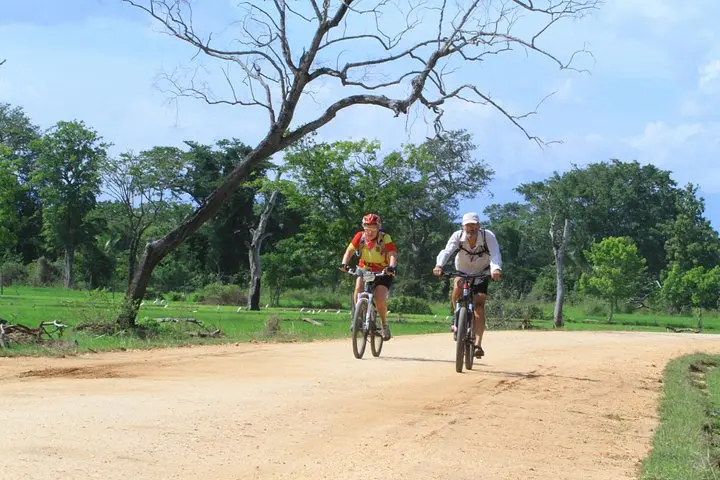
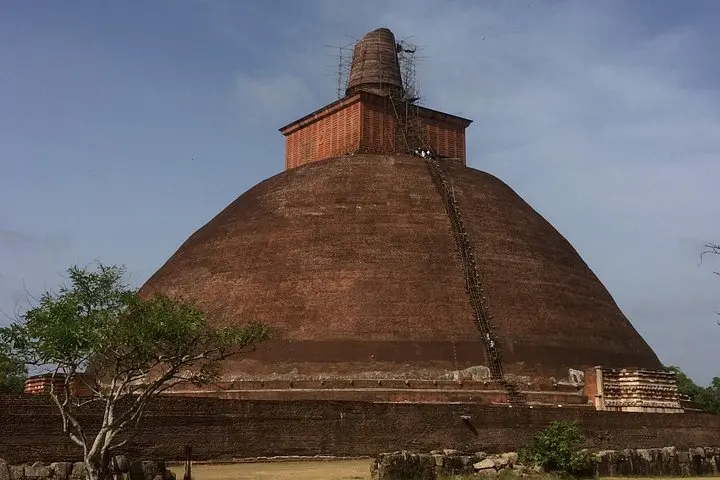
Morning light flattens the red clay roads as your tires whisper past stone walls older than many nations. Pedaling out from Anuradhapura, the city opens like a map of living history—stupas rising from the heat, irrigation tanks reflecting sky, and monk-slow processions threading the edges of ancient palaces.
Verified experiences and guided adventures in the surrounding area.
Operated by Sri Lanka Day Tours · Anuradhapura, North Central Province
Morning light flattens the red clay roads as your tires whisper past stone walls older than many nations. Pedaling out from Anuradhapura, the city opens like a map of living history—stupas rising from the heat, irrigation tanks reflecting sky, and monk-slow processions threading the edges of ancient palaces.
This is the heart of Sri Lanka’s first great kingdom, founded in the 4th century BCE and later a major center of Theravada Buddhism. The route threads engineered reservoirs and royal gardens, where masonry and water management show a civilization intensely practical about ritual and survival. The landscape is flat but varied: packed-earth lanes, paved town streets, and shaded park paths through Ranmasu Uyana and around Tissa Wewa.
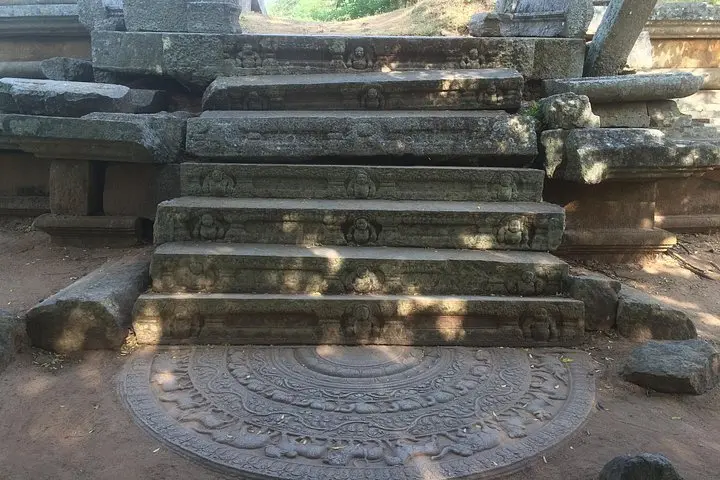
Culturally, expect a quiet reverence—temples remain active and local life pulses around the ruins. Archaeology here is tangible; carved bathing tanks and palace foundations sit within walking distance of modern neighborhoods.
Practically, the tour is a 3–4 hour guided loop with frequent stops for photos and context. Guides carry first aid and spare parts; helmets and high-quality bikes are supplied. Ride at a moderate pace, stay on designated routes, and wear sun protection—many sites offer little shade. Morning departures avoid midday heat and make wildlife sightings (waterbirds, monitoring macaques) more likely.
Bring water, modest clothing for temple visits, and basic bike-handling confidence. The experience balances slow cultural immersion with the steady motion of a day spent exploring by two wheels.
Yes—high-quality bikes and helmets are supplied; you can bring your own helmet if you prefer a personal fit.
This tour focuses on external exploration and interpretation; admission fees for some archaeological sites may not be included—check booking details or carry local currency.
Children with good bike control and endurance can join, but the operator recommends moderate fitness and parental judgment for younger riders.
Tours run in most weather; guides adjust pace and stop frequency. Cancelation policies may apply—bookings offer a 24-hour full-refund window.
Sri Lanka Day Tours operates guided outdoor trips and adventures with an emphasis on safety, stewardship, and memorable experiences.
Morning light flattens the red clay roads as your tires whisper past stone walls older than many nations. Pedaling out from Anuradhapura, the city opens like a map of living history—stupas rising from the heat, irrigation tanks reflecting sky, and monk-slow processions threading the edges of ancient palaces.
Morning light flattens the red clay roads as your tires whisper past stone walls older than many nations. Pedaling out from Anuradhapura, the city opens like a map of living history—stupas rising from the heat, irrigation tanks reflecting sky, and monk-slow processions threading the edges of ancient palaces.
This is the heart of Sri Lanka’s first great kingdom, founded in the 4th century BCE and later a major center of Theravada Buddhism. The route threads engineered reservoirs and royal gardens, where masonry and water management show a civilization intensely practical about ritual and survival. The landscape is flat but varied: packed-earth lanes, paved town streets, and shaded park paths through Ranmasu Uyana and around Tissa Wewa.
Culturally, expect a quiet reverence—temples remain active and local life pulses around the ruins. Archaeology here is tangible; carved bathing tanks and palace foundations sit within walking distance of modern neighborhoods.
Practically, the tour is a 3–4 hour guided loop with frequent stops for photos and context. Guides carry first aid and spare parts; helmets and high-quality bikes are supplied. Ride at a moderate pace, stay on designated routes, and wear sun protection—many sites offer little shade. Morning departures avoid midday heat and make wildlife sightings (waterbirds, monitoring macaques) more likely.
Bring water, modest clothing for temple visits, and basic bike-handling confidence. The experience balances slow cultural immersion with the steady motion of a day spent exploring by two wheels.