THE ADVENTURE COLLECTIVE® · Independent discovery and booking for outdoor travel

Pedal 32 kilometers through rice paddies and village lanes, then glide across the Tonlé Sap at sunset to see Kompong Phluk’s stilt houses up close. This small-group ride with vehicle support pairs local encounters with an evening boat cruise.
Pedal 32 kilometers through rice paddies and village lanes, then glide across the Tonlé Sap at sunset to see Kompong Phluk’s stilt houses up close. This small-group ride with vehicle support pairs local encounters with an evening boat cruise.
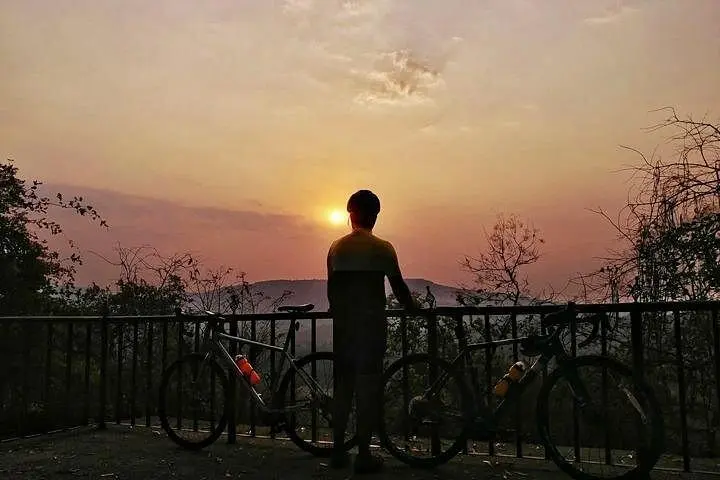
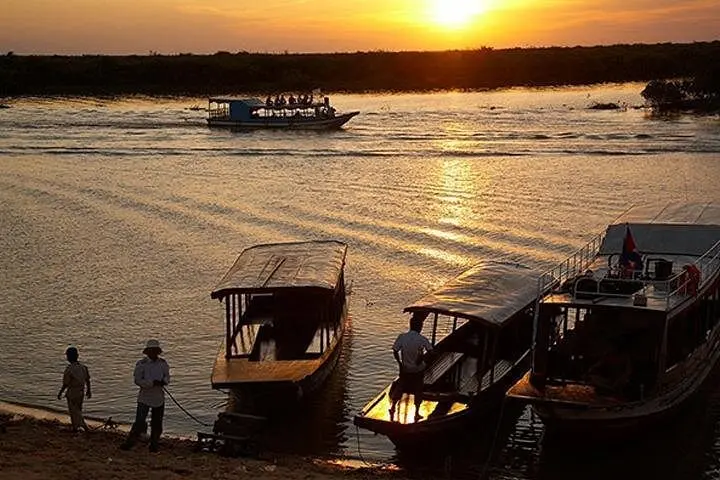
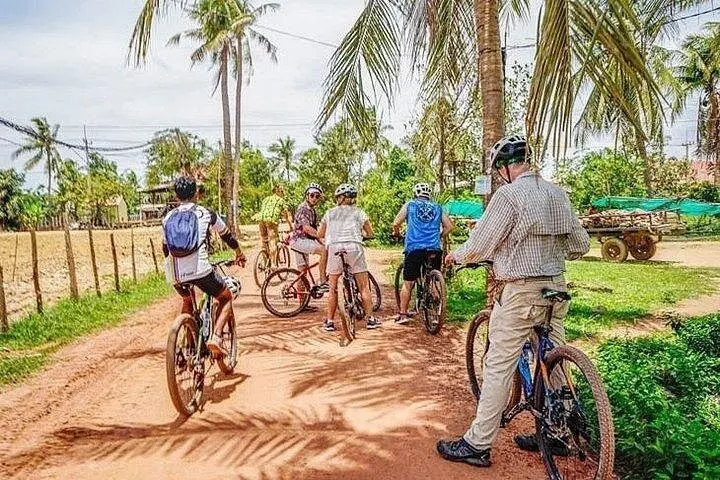
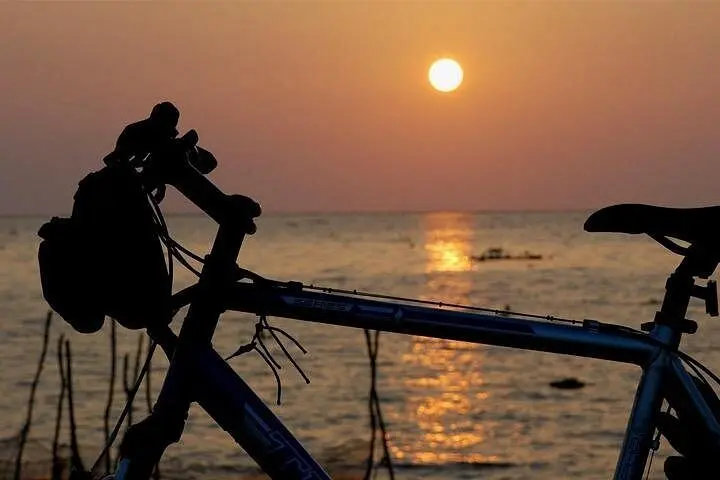
A narrow concrete lane threads between flooded rice fields as your tires whisper past water buffalo and farmers bent over seedlings. In a group no larger than eight, the countryside opens into low, green expanses; the Tonlé Sap waits ahead, its surface turning molten gold as the sun falls. Bikes and a guide move at a local pace—steady, observant—until wooden stilt houses and longboats appear on the horizon and the air tastes of river and fish sauce.
Verified experiences and guided adventures in the surrounding area.
Operated by Angkor Express Boat · Siem Reap, Siem Reap Province
A narrow concrete lane threads between flooded rice fields as your tires whisper past water buffalo and farmers bent over seedlings. In a group no larger than eight, the countryside opens into low, green expanses; the Tonlé Sap waits ahead, its surface turning molten gold as the sun falls. Bikes and a guide move at a local pace—steady, observant—until wooden stilt houses and longboats appear on the horizon and the air tastes of river and fish sauce.
The Tonlé Sap is not a static lake but a seasonal engine: in the wet season the Mekong reverses flow and the lake swells, carrying villagers onto floating platforms. Kompong Phluk’s houses rise on high stilts to meet those floods, and the landscape you pedal through has been shaped by cycles of sediment and water for millennia. The route threads rural communities where rice, cassava, and small-scale fishing sustain daily life—expect waves, waves of children calling out and boats nudging in to sell fish.
Practically, the tour covers roughly 32 kilometers on mostly flat roads with vehicle support and door-to-door transfers. A quality bike and helmet are provided, and the pace suits riders with basic cycling fitness. Bring insect repellent, sun protection, and a small amount of cash for local snacks or donations. Aim to ride in the cooler morning or late afternoon to avoid midday heat; the sunset cruise on Tonlé Sap gives a calm, reflective end as currents push you toward the horizon.
Respect private docks and ask before photographing residents. In wet months expect higher water levels and occasional muddy stretches; in dry months, the shoreline pulls back to reveal fishing poles and mud banks. With simple preparation this combined cycle-and-cruise is a hands-on way to meet the lake that defines Siem Reap’s rural edge.
Expect about 32 kilometers (roughly 20 miles) of mostly flat riding spread across the day, with vehicle support available if you need a rest.
Yes—guides keep the pace moderate and support vehicle transport is available; basic cycling ability and comfort on local roads are recommended.
The tour typically includes hotel transfers, a quality bike and helmet, bottled water, lunch, soft drinks, snacks, an English-speaking guide, and the boat ticket for the Tonlé Sap sunset cruise.
Sunset cruises are rewarding year-round; the wet season (May–October) shows flooded stilt houses at their peak, while the dry season exposes mudflats and concentrates fishing activity.
Angkor Express Boat operates guided outdoor trips and adventures with an emphasis on safety, stewardship, and memorable experiences.
A narrow concrete lane threads between flooded rice fields as your tires whisper past water buffalo and farmers bent over seedlings. In a group no larger than eight, the countryside opens into low, green expanses; the Tonlé Sap waits ahead, its surface turning molten gold as the sun falls. Bikes and a guide move at a local pace—steady, observant—until wooden stilt houses and longboats appear on the horizon and the air tastes of river and fish sauce.
A narrow concrete lane threads between flooded rice fields as your tires whisper past water buffalo and farmers bent over seedlings. In a group no larger than eight, the countryside opens into low, green expanses; the Tonlé Sap waits ahead, its surface turning molten gold as the sun falls. Bikes and a guide move at a local pace—steady, observant—until wooden stilt houses and longboats appear on the horizon and the air tastes of river and fish sauce.
The Tonlé Sap is not a static lake but a seasonal engine: in the wet season the Mekong reverses flow and the lake swells, carrying villagers onto floating platforms. Kompong Phluk’s houses rise on high stilts to meet those floods, and the landscape you pedal through has been shaped by cycles of sediment and water for millennia. The route threads rural communities where rice, cassava, and small-scale fishing sustain daily life—expect waves, waves of children calling out and boats nudging in to sell fish.
Practically, the tour covers roughly 32 kilometers on mostly flat roads with vehicle support and door-to-door transfers. A quality bike and helmet are provided, and the pace suits riders with basic cycling fitness. Bring insect repellent, sun protection, and a small amount of cash for local snacks or donations. Aim to ride in the cooler morning or late afternoon to avoid midday heat; the sunset cruise on Tonlé Sap gives a calm, reflective end as currents push you toward the horizon.
Respect private docks and ask before photographing residents. In wet months expect higher water levels and occasional muddy stretches; in dry months, the shoreline pulls back to reveal fishing poles and mud banks. With simple preparation this combined cycle-and-cruise is a hands-on way to meet the lake that defines Siem Reap’s rural edge.