THE ADVENTURE COLLECTIVE® · Independent discovery and booking for outdoor travel

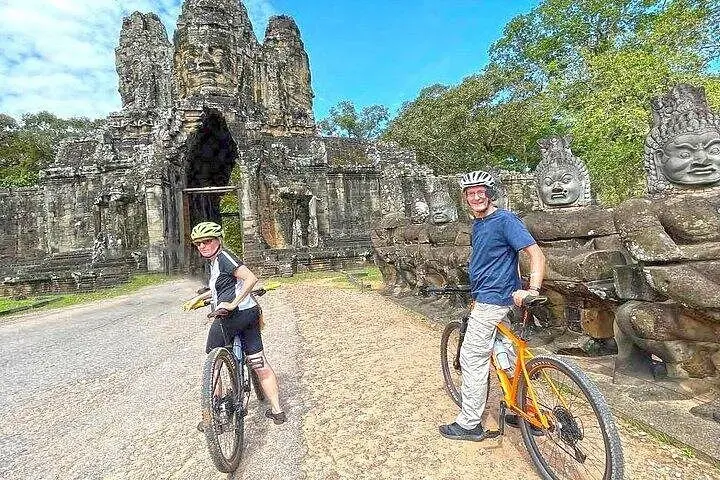
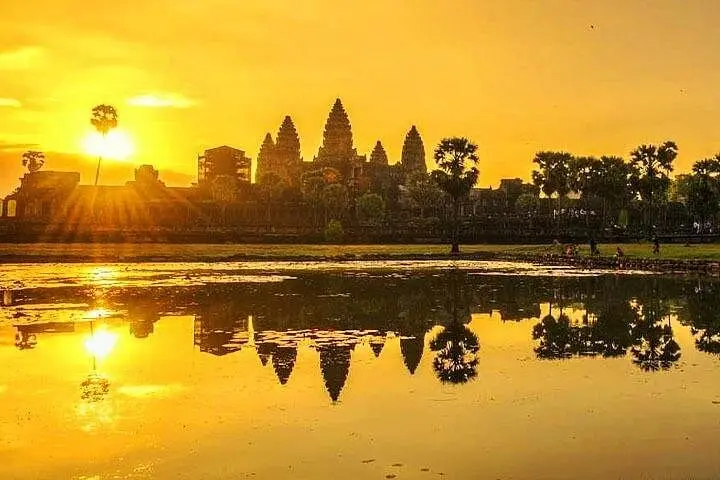
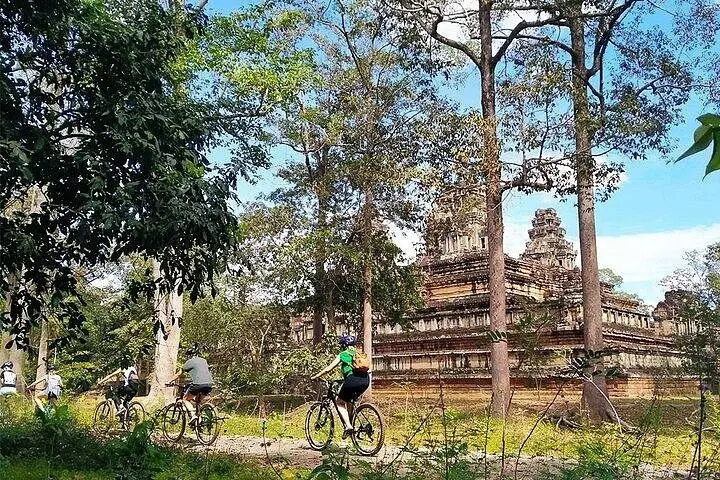
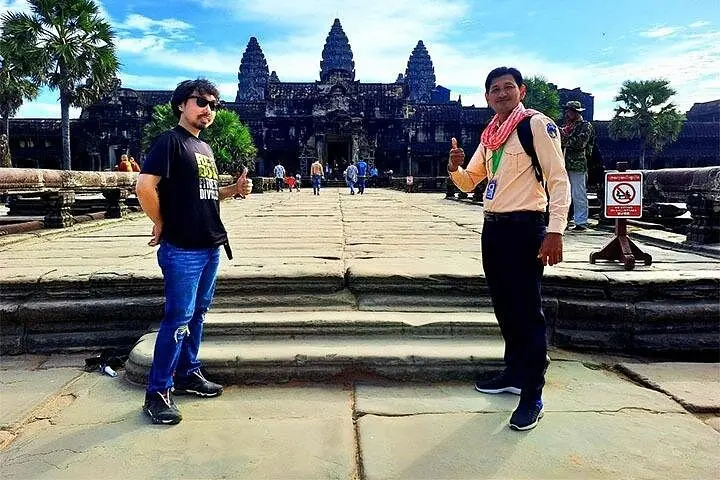
Spend a day cycling historical tracks through Angkor Thom and Ta Prohm, finishing at Angkor Wat for a golden sunset. This practical tour blends easy riding with close-up visits to Bayon’s stone faces and the root‑engulfed corridors of Ta Prohm.
Spend a day cycling historical tracks through Angkor Thom and Ta Prohm, finishing at Angkor Wat for a golden sunset. This practical tour blends easy riding with close-up visits to Bayon’s stone faces and the root‑engulfed corridors of Ta Prohm.
You start before the heat: tuk‑tuk rattles through a thin mist and the first stone faces of Angkor peep above the trees. The air smells of dust and damp earth as you pedal soft tracks between laterite walls, the day stretching with carved bas‑reliefs and banyan roots that have reclaimed empire stones.
Verified experiences and guided adventures in the surrounding area.
Operated by Angkor Elephant Tour · Siem Reap, Siem Reap Province
You start before the heat: tuk‑tuk rattles through a thin mist and the first stone faces of Angkor peep above the trees. The air smells of dust and damp earth as you pedal soft tracks between laterite walls, the day stretching with carved bas‑reliefs and banyan roots that have reclaimed empire stones.
This full‑day loop moves through Angkor Thom’s south gate and the Bayon’s towers of carved smiles, past the Terrace of the Elephants where Khmer kings watched processions. Geologically the temples sit on flat alluvial plains; sandstone blocks quarried centuries ago bleach into the sun. Ta Prohm offers a different story — roots and ruins in a tense, easy contest of timber and temple — a cinematic setting that shows how quickly nature can reassert itself.
Culturally, the Angkor complex was the heart of the Khmer Empire (9th–15th centuries), evolving from Hindu to Buddhist focus; you’ll hear those layers in the carving subjects and shrine forms. Local guides connect the architecture to agrarian cycles and modern preservation challenges.
Practical guidance: expect 6–7 hours with moderate pedaling on mixed dirt and paved tracks; bring a light rain jacket in the wet season and a wide‑brim hat for intense sun. Carry cash for park entry and local lunch; water points are limited inside the park. Stay aware around stairways and root‑choked passages — move deliberately and give way to foot traffic. Time your return to Angkor Wat’s reflecting pools for the warm, shifting tones of sunset: it changes fast, and the best reflections happen when the western sky favors a low angle of light.
You can buy passes at the ticket center on arrival but lines form early; purchasing in advance or early morning is recommended.
Most routes are on flat tracks and quiet park roads—basic cycling ability is sufficient; some sections are dirt or uneven near ruins.
Late afternoon into early evening when the western sky warms; arrive at reflection ponds 45–60 minutes before sunset for best composition and light.
Main complex areas have limited accessibility; some sites have rough ground and steps—check specific needs with the operator in advance.
Angkor Elephant Tour operates guided outdoor trips and adventures with an emphasis on safety, stewardship, and memorable experiences.
You start before the heat: tuk‑tuk rattles through a thin mist and the first stone faces of Angkor peep above the trees. The air smells of dust and damp earth as you pedal soft tracks between laterite walls, the day stretching with carved bas‑reliefs and banyan roots that have reclaimed empire stones.
You start before the heat: tuk‑tuk rattles through a thin mist and the first stone faces of Angkor peep above the trees. The air smells of dust and damp earth as you pedal soft tracks between laterite walls, the day stretching with carved bas‑reliefs and banyan roots that have reclaimed empire stones.
This full‑day loop moves through Angkor Thom’s south gate and the Bayon’s towers of carved smiles, past the Terrace of the Elephants where Khmer kings watched processions. Geologically the temples sit on flat alluvial plains; sandstone blocks quarried centuries ago bleach into the sun. Ta Prohm offers a different story — roots and ruins in a tense, easy contest of timber and temple — a cinematic setting that shows how quickly nature can reassert itself.
Culturally, the Angkor complex was the heart of the Khmer Empire (9th–15th centuries), evolving from Hindu to Buddhist focus; you’ll hear those layers in the carving subjects and shrine forms. Local guides connect the architecture to agrarian cycles and modern preservation challenges.
Practical guidance: expect 6–7 hours with moderate pedaling on mixed dirt and paved tracks; bring a light rain jacket in the wet season and a wide‑brim hat for intense sun. Carry cash for park entry and local lunch; water points are limited inside the park. Stay aware around stairways and root‑choked passages — move deliberately and give way to foot traffic. Time your return to Angkor Wat’s reflecting pools for the warm, shifting tones of sunset: it changes fast, and the best reflections happen when the western sky favors a low angle of light.