THE ADVENTURE COLLECTIVE® · Independent discovery and booking for outdoor travel

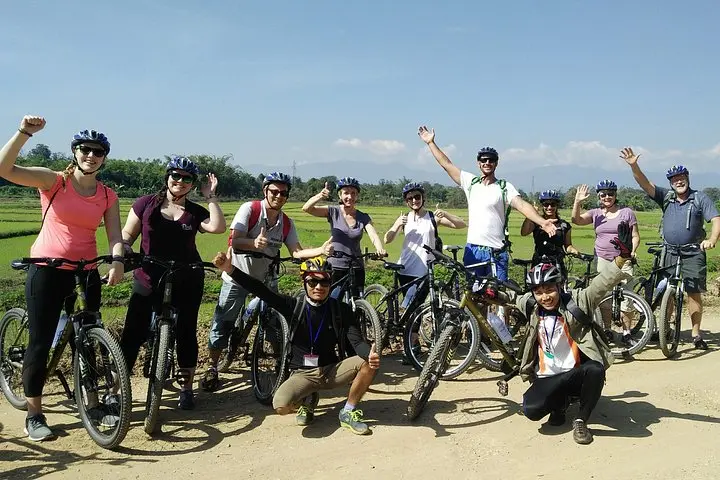
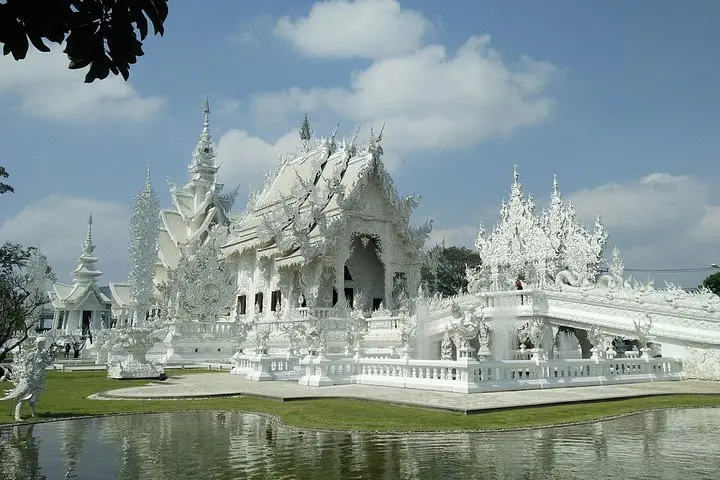
Cycle through Chiang Rai’s rice fields and riverside lanes on a full-day ride that finishes at the striking Wat Rong Khun (White Temple). Expect 8–9 hours of mixed paved and dirt roads, local markets, and a close-up look at rural northern Thailand.
Cycle through Chiang Rai’s rice fields and riverside lanes on a full-day ride that finishes at the striking Wat Rong Khun (White Temple). Expect 8–9 hours of mixed paved and dirt roads, local markets, and a close-up look at rural northern Thailand.
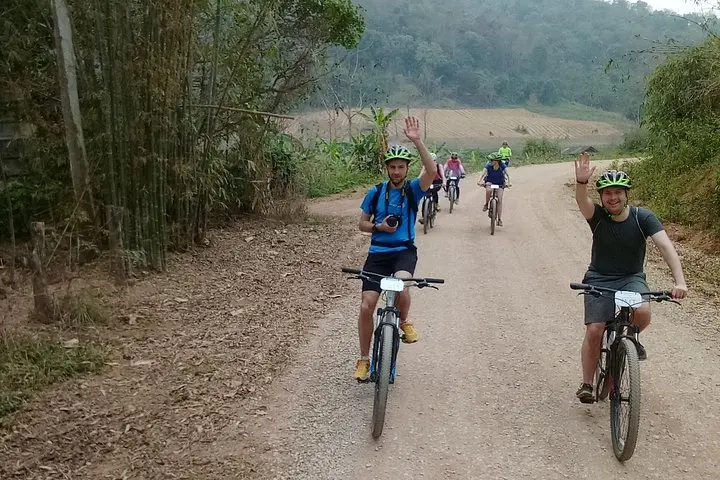
You roll away from the office as morning light slants over rice paddies, pedals whispering on quiet asphalt. The Lao River threads through low floodplain, daring you to follow its green shoulders; villagers wave from wooden stilt houses while chickens scatter. The day stretches—open fields, shaded lanes, and a distant white spire that draws every eye.
Verified experiences and guided adventures in the surrounding area.
Operated by Chiang Rai Bicycle Tour · Chiang Rai, Chiang Rai Province
You roll away from the office as morning light slants over rice paddies, pedals whispering on quiet asphalt. The Lao River threads through low floodplain, daring you to follow its green shoulders; villagers wave from wooden stilt houses while chickens scatter. The day stretches—open fields, shaded lanes, and a distant white spire that draws every eye.
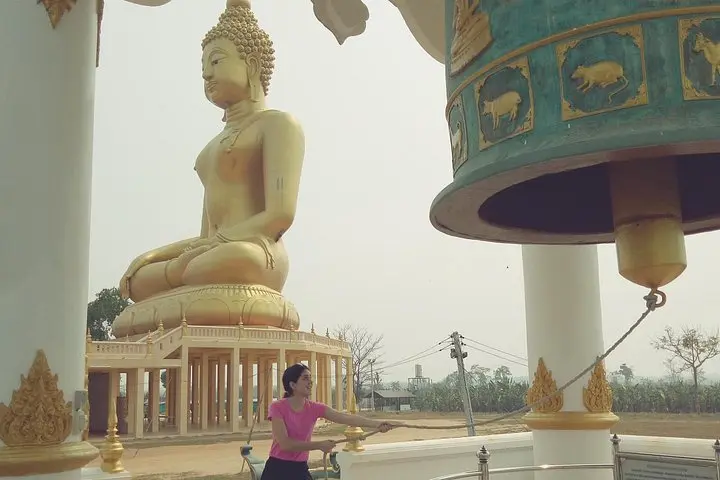
This route passes the living landscape of northern Thailand: smallholder rice plots, rubber and teak stands, and pockets of tea grown on gentle slopes. Chiang Rai sits at the edge of the Daen Lao foothills; soils here are river-carried alluvium with occasional gravelly rises. Wat Rong Khun (the White Temple), rebuilt and ornamented by artist Chalermchai Kositpipat in the late 20th century, contrasts sharply with the rural scenes—its contemporary Buddhist symbolism is a recent cultural landmark within an area rooted in Lanna history.
Expect a mix of paved backroads and short dirt sections, rolling terrain with modest climbs, and frequent micro-climates near river corridors. Guides stop at markets and viewpoints; lunches are local and straightforward. Practical prep: bring layered sun protection, carry at least 2 liters of water, and use a bike with reliable gearing for short climbs. Helmets and 24-speed mountain bikes are provided, but comfortable, broken-in footwear and padded shorts make the hours pleasant.
Ride early to avoid heat and midday traffic, respect temple dress codes (shoulders and knees covered), and budget time for photo stops—the route rewards a steady pace rather than racing. This is rural Chiang Rai at cycling speed: tactile, unhurried, and very rideable.
The tour runs about 8–9 hours total; expect to cycle roughly 40–60 km depending on the exact route and stops.
Yes—mountain bikes and helmets (24-speed) are included along with a safety briefing and bike fit.
Riders should have moderate fitness and basic bike-handling skills; complete novices may find the distance and duration challenging.
Lunch, snacks, and bottled water are provided; notify the operator of dietary needs when booking.
Chiang Rai Bicycle Tour operates guided outdoor trips and adventures with an emphasis on safety, stewardship, and memorable experiences.
You roll away from the office as morning light slants over rice paddies, pedals whispering on quiet asphalt. The Lao River threads through low floodplain, daring you to follow its green shoulders; villagers wave from wooden stilt houses while chickens scatter. The day stretches—open fields, shaded lanes, and a distant white spire that draws every eye.
You roll away from the office as morning light slants over rice paddies, pedals whispering on quiet asphalt. The Lao River threads through low floodplain, daring you to follow its green shoulders; villagers wave from wooden stilt houses while chickens scatter. The day stretches—open fields, shaded lanes, and a distant white spire that draws every eye.
This route passes the living landscape of northern Thailand: smallholder rice plots, rubber and teak stands, and pockets of tea grown on gentle slopes. Chiang Rai sits at the edge of the Daen Lao foothills; soils here are river-carried alluvium with occasional gravelly rises. Wat Rong Khun (the White Temple), rebuilt and ornamented by artist Chalermchai Kositpipat in the late 20th century, contrasts sharply with the rural scenes—its contemporary Buddhist symbolism is a recent cultural landmark within an area rooted in Lanna history.
Expect a mix of paved backroads and short dirt sections, rolling terrain with modest climbs, and frequent micro-climates near river corridors. Guides stop at markets and viewpoints; lunches are local and straightforward. Practical prep: bring layered sun protection, carry at least 2 liters of water, and use a bike with reliable gearing for short climbs. Helmets and 24-speed mountain bikes are provided, but comfortable, broken-in footwear and padded shorts make the hours pleasant.
Ride early to avoid heat and midday traffic, respect temple dress codes (shoulders and knees covered), and budget time for photo stops—the route rewards a steady pace rather than racing. This is rural Chiang Rai at cycling speed: tactile, unhurried, and very rideable.