THE ADVENTURE COLLECTIVE® · Independent discovery and booking for outdoor travel

Cycle from Lucca's city walls along Lorenzo Nottolini's aqueduct to the water-rich valley of Guamo and up the gentle slopes of Monte Pisano. This 3‑hour cultural ride mixes engineering history, spring-fed streams and quiet country lanes.
Cycle from Lucca's city walls along Lorenzo Nottolini's aqueduct to the water-rich valley of Guamo and up the gentle slopes of Monte Pisano. This 3‑hour cultural ride mixes engineering history, spring-fed streams and quiet country lanes.
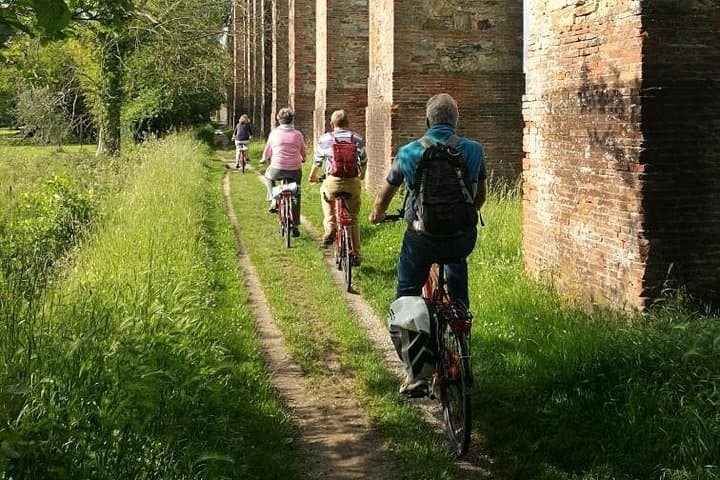
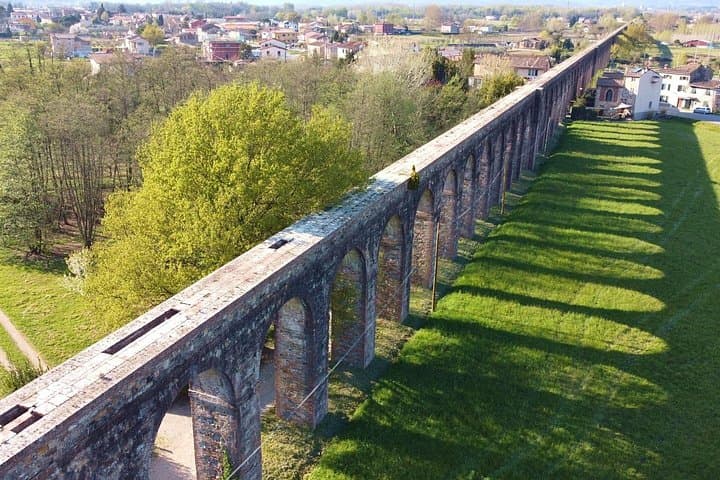
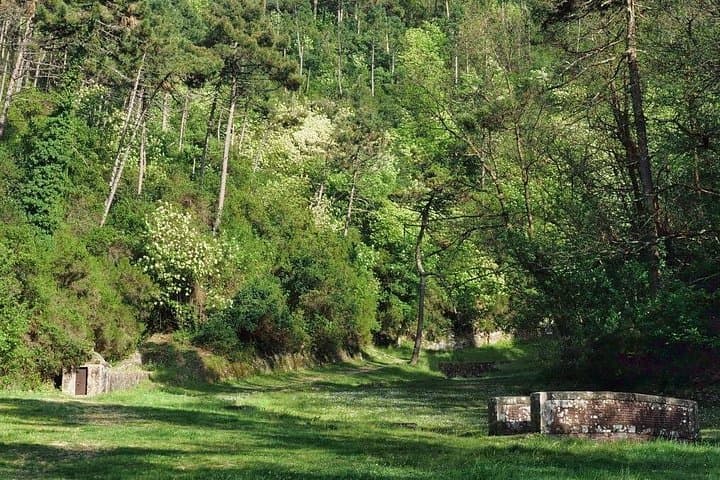
The ride begins at Lucca's historic walls: you push off from the cobbled ring road and the city shrinks behind you as the towers and red roofs recede. The route follows the long, engineered curve of Lorenzo Nottolini's aqueduct, stone arches cutting a steady rhythm through chestnut and olive groves. Water here is more than drink—it's a local identity, the oligomineral springs of Lucca threading villages and feeding the small valley of Guamo.
Verified experiences and guided adventures in the surrounding area.
Operated by Amazing Lucca · Lucca, Tuscany
The ride begins at Lucca's historic walls: you push off from the cobbled ring road and the city shrinks behind you as the towers and red roofs recede. The route follows the long, engineered curve of Lorenzo Nottolini's aqueduct, stone arches cutting a steady rhythm through chestnut and olive groves. Water here is more than drink—it's a local identity, the oligomineral springs of Lucca threading villages and feeding the small valley of Guamo.
The aqueduct is a 19th-century feat by architect Lorenzo Nottolini, built to carry spring water to Lucca; Monte Pisano's limestone slopes tell a different story, sculpted by tectonics and karst drainage that channel clear springs downhill. Cycling this corridor mixes cultural history with simple geology: masonry, springs, terraces and woodland paths. Locals treat water and wayfinding as civic pride—cafés in hill villages pour the region's mineral water with every espresso.
Expect a leafy, mostly low-traffic route with short climbs on the approach to Monte Pisano. Typical tours cover roughly 15–25 km with intermittent climbs totaling about 300–500 m of elevation gain over a 3-hour itinerary, including stops to photograph arches and sample local water or coffee. Terrain alternates between paved country roads, compact gravel, and shaded lanes—good tires and basic shift control matter.
Practical notes: start mid-morning for cooler temperatures, carry a refill bottle (water is available at stops), bring layers for the wind on exposed ridges, and allow time to explore Guamo's springs and small chapels. The ride suits riders comfortable on mixed surfaces and looking for a low-impact cultural outing through Tuscany's water-rich landscape.
The tour is rated easy with short climbs; expect intermittent elevation but nothing technical—good for regular cyclists.
Many operators supply bicycles; confirm frame sizes and helmet availability when booking.
Children may join if accompanied by an adult and able to ride the planned distance; check operator age/height limits.
Tours commonly include coffee or tea and stops where bottled water or local spring water is available; bring extra water in summer.
Amazing Lucca operates guided outdoor trips and adventures with an emphasis on safety, stewardship, and memorable experiences.

The ride begins at Lucca's historic walls: you push off from the cobbled ring road and the city shrinks behind you as the towers and red roofs recede. The route follows the long, engineered curve of Lorenzo Nottolini's aqueduct, stone arches cutting a steady rhythm through chestnut and olive groves. Water here is more than drink—it's a local identity, the oligomineral springs of Lucca threading villages and feeding the small valley of Guamo.
The ride begins at Lucca's historic walls: you push off from the cobbled ring road and the city shrinks behind you as the towers and red roofs recede. The route follows the long, engineered curve of Lorenzo Nottolini's aqueduct, stone arches cutting a steady rhythm through chestnut and olive groves. Water here is more than drink—it's a local identity, the oligomineral springs of Lucca threading villages and feeding the small valley of Guamo.
The aqueduct is a 19th-century feat by architect Lorenzo Nottolini, built to carry spring water to Lucca; Monte Pisano's limestone slopes tell a different story, sculpted by tectonics and karst drainage that channel clear springs downhill. Cycling this corridor mixes cultural history with simple geology: masonry, springs, terraces and woodland paths. Locals treat water and wayfinding as civic pride—cafés in hill villages pour the region's mineral water with every espresso.
Expect a leafy, mostly low-traffic route with short climbs on the approach to Monte Pisano. Typical tours cover roughly 15–25 km with intermittent climbs totaling about 300–500 m of elevation gain over a 3-hour itinerary, including stops to photograph arches and sample local water or coffee. Terrain alternates between paved country roads, compact gravel, and shaded lanes—good tires and basic shift control matter.
Practical notes: start mid-morning for cooler temperatures, carry a refill bottle (water is available at stops), bring layers for the wind on exposed ridges, and allow time to explore Guamo's springs and small chapels. The ride suits riders comfortable on mixed surfaces and looking for a low-impact cultural outing through Tuscany's water-rich landscape.