THE ADVENTURE COLLECTIVE® · Independent discovery and booking for outdoor travel

Pedal from Moshi into the living farms on Kilimanjaro’s lower slopes: a 39‑km day ride through Chagga villages, coffee plots and banana fields, with a local guide and lunch included. Expect mixed roads, steady climbs, and close cultural exchange.
Pedal from Moshi into the living farms on Kilimanjaro’s lower slopes: a 39‑km day ride through Chagga villages, coffee plots and banana fields, with a local guide and lunch included. Expect mixed roads, steady climbs, and close cultural exchange.
A bicycle wheel hums against early morning tarmac as the silhouette of Kilimanjaro looms: not a suggestion but a destination that quietly orders your route. On this day trip from Moshi riders move from urban clamor into a living agricultural map—banana scaffolds and coffee terraces sliding past, villagers pausing to watch a string of cyclists trace lanes their grandparents built.
Verified experiences and guided adventures in the surrounding area.
Operated by One Bike Tanzania · Moshi, Kilimanjaro Region
A bicycle wheel hums against early morning tarmac as the silhouette of Kilimanjaro looms: not a suggestion but a destination that quietly orders your route. On this day trip from Moshi riders move from urban clamor into a living agricultural map—banana scaffolds and coffee terraces sliding past, villagers pausing to watch a string of cyclists trace lanes their grandparents built.
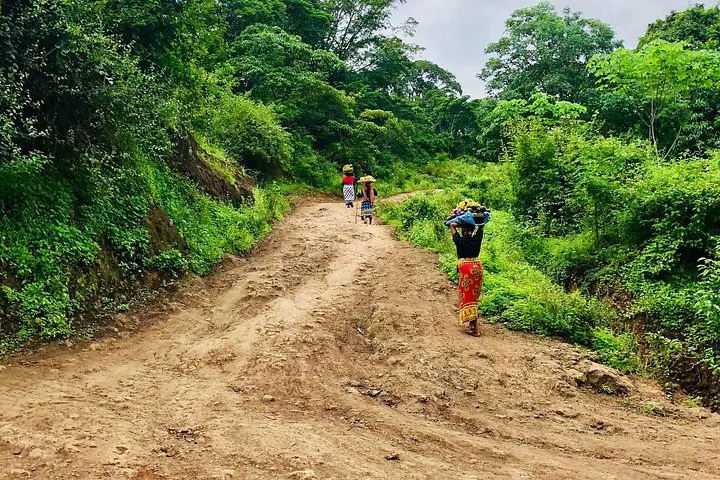
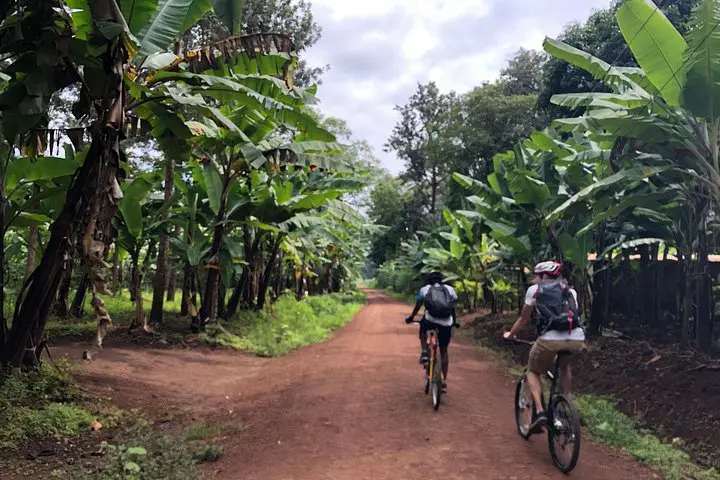
The ride follows a 39‑kilometre loop that reads like a cross‑section of Chagga life. The Chagga people have farmed these lower slopes for centuries, coaxing crops from volcanic soils with mixed‑plot techniques that maximize moisture and shade. You’ll climb gradually out of Moshi’s shanty districts, hit a steeper pitch approaching Kibosho, then drop onto dirt roads that carry you through Lyamungo and a patchwork of banana, corn and coffee farms. The land here remembers eruptions—Kilimanjaro is a dormant stratovolcano whose ash made the soil famously fertile—so agriculture and geology are inseparable.
Culturally the ride is low on spectacle and high on substance. Guides introduce smallholder practices: intercropping bananas for shade, sun‑dried coffee berries, and backyard gardens that feed families year‑round. Conversations with farmers are often the best part of the day—brief, practical exchanges about yields and seasons, not staged encounters. The trail is private‑tour friendly and intentionally designed for interaction, so respect and local currency for small purchases are useful.
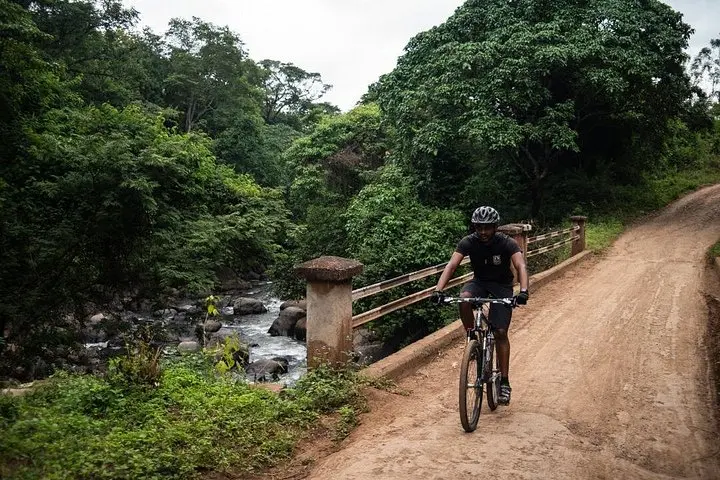
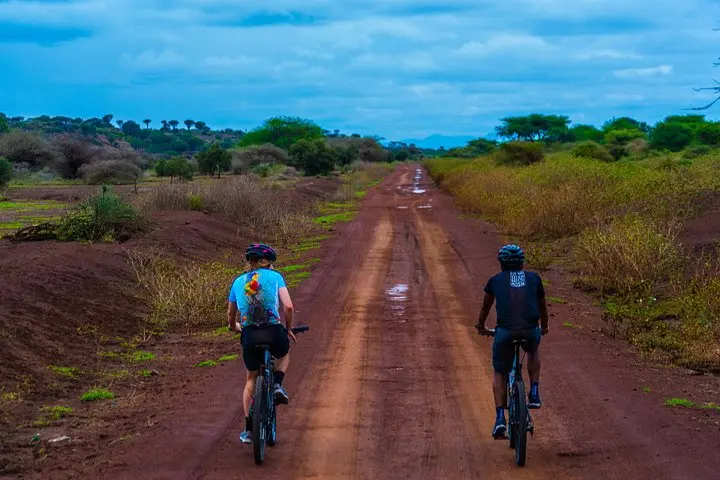
Practically, the route is moderate: expect mixed tarmac and dirt surfaces, intermittent steep pitches, and a total elevation gain that tests the legs more than the lungs. Start early to avoid midday heat and farm traffic; mornings also sharpen views of Kilimanjaro’s flanks. The operator supplies a well‑maintained mountain bike, helmet, bottled water and lunch—so you arrive with minimal gear and a guide who knows where the best roadside coffee grows.
Bring sturdy shoes, a hydration pack, sunscreen and a light wind layer for higher elevations. Pay attention on descents—loose gravel hides in banana grove turns—and carry small bills for roadside purchases and tips. Fitness-wise, riders should be comfortable with sustained climbing and basic off‑road handling. For photographers, aim for golden morning light through coffee trees and the south‑facing descent into Moshi for wide views.
This is not a summit bid—it’s a cultural and geological day ride that makes the upper slopes legible through farming, conversation and the simple act of moving by pedal. By the time you return to Moshi, the village rhythms will feel less foreign and Kilimanjaro will have receded into the distance like a map you just learned to read.
Moderate fitness—able to ride 39 km with sustained climbs and handle mixed road surfaces; regular cycling or hill‑training beforehand helps.
Yes—an English‑speaking cycling guide, plus bike, helmet, lunch and bottled water are included.
The route alternates tarmac and dirt roads with some loose gravel on descents and steeper pitches near Kibosho.
There are steep sections, particularly toward Kibosho, but no technical rock gardens; confident hill‑climbing and basic off‑road handling suffice.
Active beginners who are comfortable with 40 km and climbing can join, but be honest about your ability when booking—this is rated moderate.
Small bills for purchases and tips, modest clothing when visiting villages, and a polite request before photographing residents.
One Bike Tanzania operates guided outdoor trips and adventures with an emphasis on safety, stewardship, and memorable experiences.
A bicycle wheel hums against early morning tarmac as the silhouette of Kilimanjaro looms: not a suggestion but a destination that quietly orders your route. On this day trip from Moshi riders move from urban clamor into a living agricultural map—banana scaffolds and coffee terraces sliding past, villagers pausing to watch a string of cyclists trace lanes their grandparents built.
A bicycle wheel hums against early morning tarmac as the silhouette of Kilimanjaro looms: not a suggestion but a destination that quietly orders your route. On this day trip from Moshi riders move from urban clamor into a living agricultural map—banana scaffolds and coffee terraces sliding past, villagers pausing to watch a string of cyclists trace lanes their grandparents built.
The ride follows a 39‑kilometre loop that reads like a cross‑section of Chagga life. The Chagga people have farmed these lower slopes for centuries, coaxing crops from volcanic soils with mixed‑plot techniques that maximize moisture and shade. You’ll climb gradually out of Moshi’s shanty districts, hit a steeper pitch approaching Kibosho, then drop onto dirt roads that carry you through Lyamungo and a patchwork of banana, corn and coffee farms. The land here remembers eruptions—Kilimanjaro is a dormant stratovolcano whose ash made the soil famously fertile—so agriculture and geology are inseparable.
Culturally the ride is low on spectacle and high on substance. Guides introduce smallholder practices: intercropping bananas for shade, sun‑dried coffee berries, and backyard gardens that feed families year‑round. Conversations with farmers are often the best part of the day—brief, practical exchanges about yields and seasons, not staged encounters. The trail is private‑tour friendly and intentionally designed for interaction, so respect and local currency for small purchases are useful.
Practically, the route is moderate: expect mixed tarmac and dirt surfaces, intermittent steep pitches, and a total elevation gain that tests the legs more than the lungs. Start early to avoid midday heat and farm traffic; mornings also sharpen views of Kilimanjaro’s flanks. The operator supplies a well‑maintained mountain bike, helmet, bottled water and lunch—so you arrive with minimal gear and a guide who knows where the best roadside coffee grows.
Bring sturdy shoes, a hydration pack, sunscreen and a light wind layer for higher elevations. Pay attention on descents—loose gravel hides in banana grove turns—and carry small bills for roadside purchases and tips. Fitness-wise, riders should be comfortable with sustained climbing and basic off‑road handling. For photographers, aim for golden morning light through coffee trees and the south‑facing descent into Moshi for wide views.
This is not a summit bid—it’s a cultural and geological day ride that makes the upper slopes legible through farming, conversation and the simple act of moving by pedal. By the time you return to Moshi, the village rhythms will feel less foreign and Kilimanjaro will have receded into the distance like a map you just learned to read.