THE ADVENTURE COLLECTIVE® · Independent discovery and booking for outdoor travel

Cycle from Siem Reap through rice paddies and rural villages to Beng Mealea’s cinematic jungle ruins. This full‑day trip combines off‑road riding with visits to little‑known temples and hands‑on village experiences.
Cycle from Siem Reap through rice paddies and rural villages to Beng Mealea’s cinematic jungle ruins. This full‑day trip combines off‑road riding with visits to little‑known temples and hands‑on village experiences.
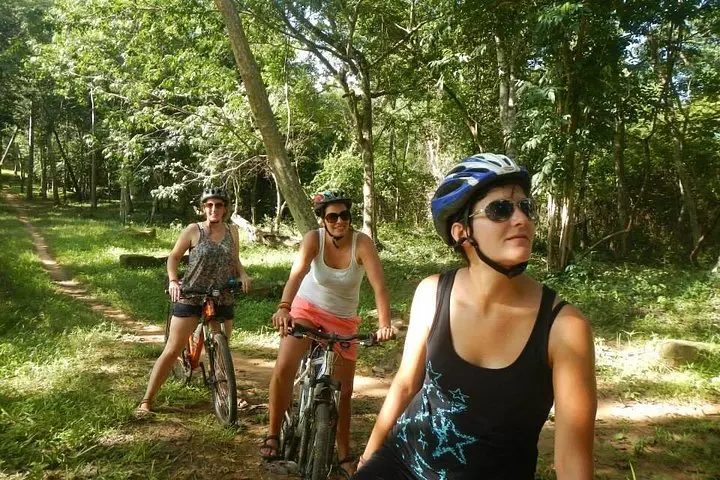
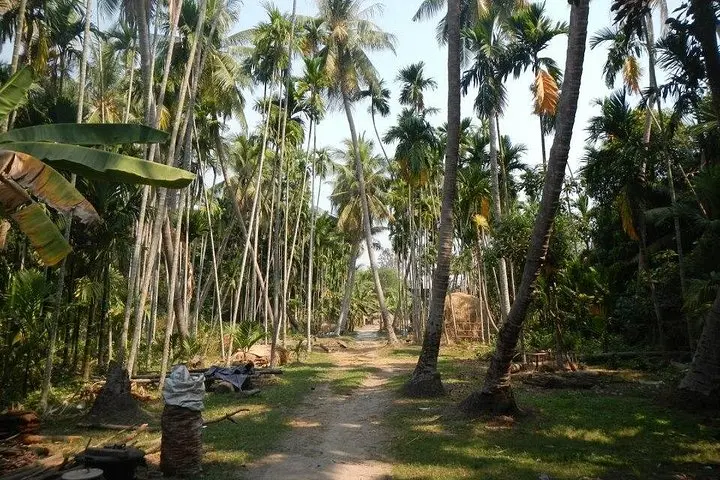
You push away from the hotel before dawn and the city loosens its grip: pedal strokes carry you past sleeping markets, then out into a quilt of rice paddies where children lift small hands in waves. The road narrows to dirt; mango and palm trees lean over the track as the first temple stones appear through a curtain of vines.
Verified experiences and guided adventures in the surrounding area.
Operated by Camouflage Adventures Cambodia · Siem Reap, Siem Reap Province
You push away from the hotel before dawn and the city loosens its grip: pedal strokes carry you past sleeping markets, then out into a quilt of rice paddies where children lift small hands in waves. The road narrows to dirt; mango and palm trees lean over the track as the first temple stones appear through a curtain of vines.
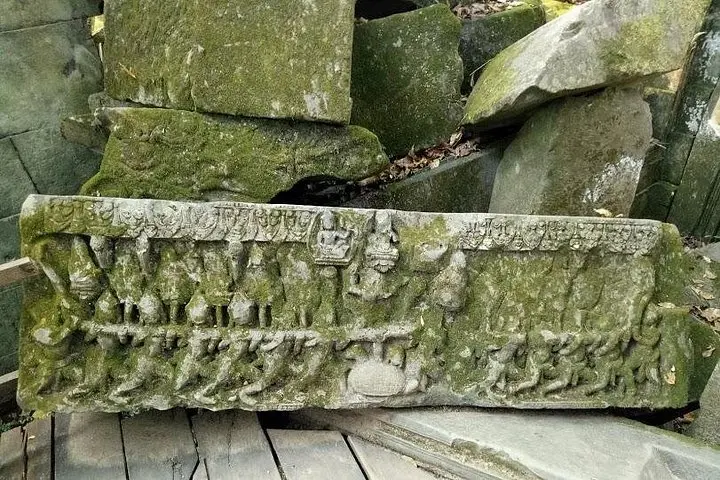
Beng Mealea is a 12th‑century ruin attributed to King Suryavarman II, the same ruler behind Angkor Wat. Its sandstone blocks, colonized by fig roots, and the nearby lesser‑visited Prasat Banteay Ampil tell a quieter chapter of Khmer craftsmanship and empire. The geology here is soft sandstone—easily carved, easily eroded—so stones slough and shift, giving each structure a fractured, cinematic quality that attracted filmmakers to the site.
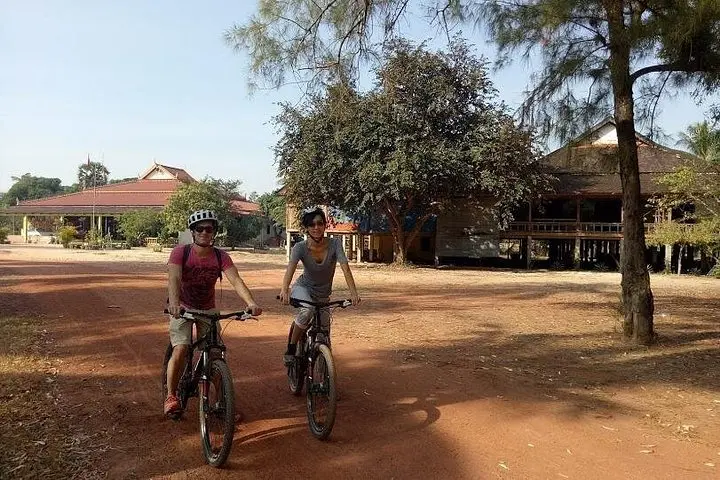
Along the route you’ll meet villagers weaving rattan, observe families making rice paper, and stop at a rural school; these interactions are as much the point as the temples. Expect roughly 30% paved roads and 70% off‑road tracks—mud after rain, dust in dry months—with a full‑day ride of roughly 6–8 hours.
Practical edge: guides provide bikes, helmets, water and lunch, but bring good cycling shoes, sun protection and modest clothing for temple entry. Start early to avoid midday heat and the monsoon’s sudden downpours. Respect private homes and ask before photographing people. This ride pairs cultural exchange with the physical rhythm of pedaling—nature pushes you forward and the ruins wait, patient and ancient.
The tour is a full day (about 6–8 hours) with roughly 30% paved and 70% off‑road; total distance commonly falls between 30–50 km depending on route variations.
Yes—bicycles, helmets, bottled water, snacks and lunch are included; bring personal grips or a preferred saddle if you need extra comfort.
Riders should have basic cycling skills and moderate fitness; beginners who can handle uneven surfaces at a steady pace can usually join, but let the operator know any concerns.
Dress modestly: shoulders and knees covered. Shoes are removed at some temple doorways, so wear easy‑off footwear and bring socks if you’re sensitive to dust.
Camouflage Adventures Cambodia operates guided outdoor trips and adventures with an emphasis on safety, stewardship, and memorable experiences.
You push away from the hotel before dawn and the city loosens its grip: pedal strokes carry you past sleeping markets, then out into a quilt of rice paddies where children lift small hands in waves. The road narrows to dirt; mango and palm trees lean over the track as the first temple stones appear through a curtain of vines.
You push away from the hotel before dawn and the city loosens its grip: pedal strokes carry you past sleeping markets, then out into a quilt of rice paddies where children lift small hands in waves. The road narrows to dirt; mango and palm trees lean over the track as the first temple stones appear through a curtain of vines.
Beng Mealea is a 12th‑century ruin attributed to King Suryavarman II, the same ruler behind Angkor Wat. Its sandstone blocks, colonized by fig roots, and the nearby lesser‑visited Prasat Banteay Ampil tell a quieter chapter of Khmer craftsmanship and empire. The geology here is soft sandstone—easily carved, easily eroded—so stones slough and shift, giving each structure a fractured, cinematic quality that attracted filmmakers to the site.
Along the route you’ll meet villagers weaving rattan, observe families making rice paper, and stop at a rural school; these interactions are as much the point as the temples. Expect roughly 30% paved roads and 70% off‑road tracks—mud after rain, dust in dry months—with a full‑day ride of roughly 6–8 hours.
Practical edge: guides provide bikes, helmets, water and lunch, but bring good cycling shoes, sun protection and modest clothing for temple entry. Start early to avoid midday heat and the monsoon’s sudden downpours. Respect private homes and ask before photographing people. This ride pairs cultural exchange with the physical rhythm of pedaling—nature pushes you forward and the ruins wait, patient and ancient.