THE ADVENTURE COLLECTIVE® · Independent discovery and booking for outdoor travel

A focused, expert-led day exploring the British airborne story of D‑Day — from Pegasus Bridge and glider markers to Merville Battery and the British Normandy Memorial. Small groups, museum time and local context bring the campaign into clear relief.
A focused, expert-led day exploring the British airborne story of D‑Day — from Pegasus Bridge and glider markers to Merville Battery and the British Normandy Memorial. Small groups, museum time and local context bring the campaign into clear relief.
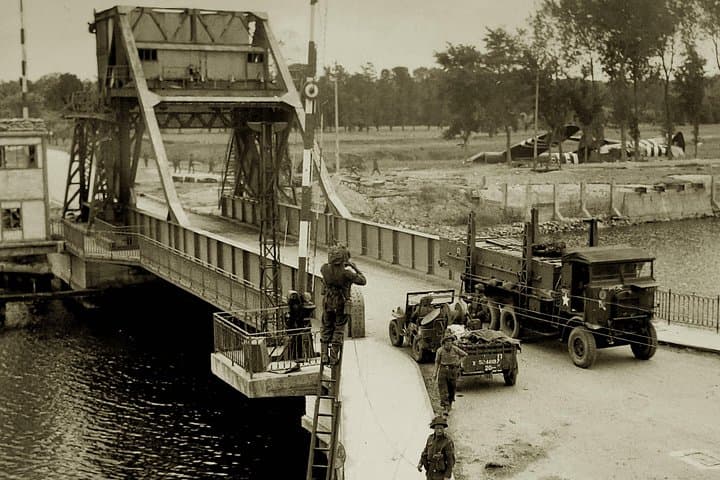
Morning mist lifts off the Orne’s slow channels as a minivan eases toward a low bridge that seems ordinary until history presses in: a small museum, a preserved span, and the hush of place where gliders first touched French soil. The guide leads with measured detail — names, unit numbers, timings — and the landscape answers in fields, hedgerows and the wide coastal plain that funneled men toward the beaches.
Verified experiences and guided adventures in the surrounding area.
Operated by Remember: Discover D Day · Bénouville, Normandy
Morning mist lifts off the Orne’s slow channels as a minivan eases toward a low bridge that seems ordinary until history presses in: a small museum, a preserved span, and the hush of place where gliders first touched French soil. The guide leads with measured detail — names, unit numbers, timings — and the landscape answers in fields, hedgerows and the wide coastal plain that funneled men toward the beaches.
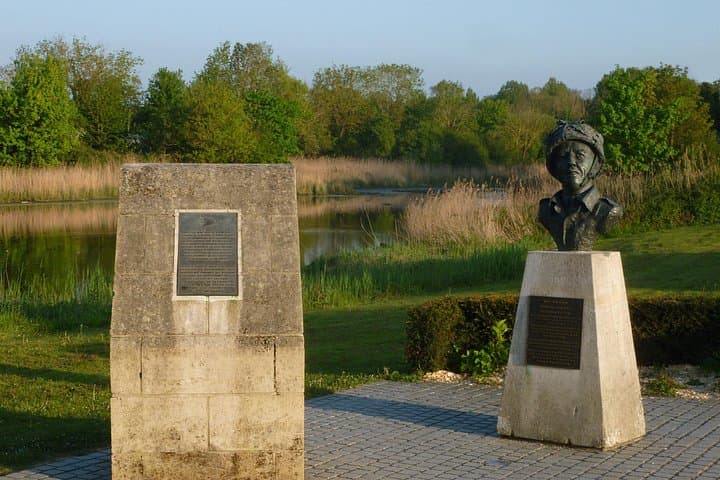
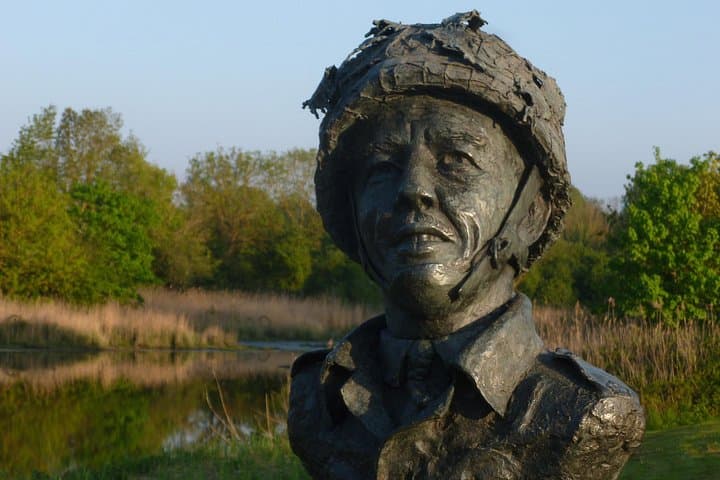
This route threads British airborne actions into the wider D-Day mosaic. Pegasus Bridge and the glider markers mark the first sharp, airborne thrusts of June 6, 1944; Café Gondrée remembers the earliest liberation; the Merville Battery explains German coastal defenses along the Atlantic Wall; the British Normandy Memorial gives scale to loss with more than 22,000 names.
Geology here is practical: low chalky-sand soils, dunes and reclaimed farmland shaped how troops moved and where fortifications sat. Local culture still bears wartime echoes — small cafés, regimental plaques, and communities that steward cemeteries and museums.
Expect a guided day of short on-foot stops (10–90 minutes each) interspersed with travel, eyewitness storytelling and museum time. Bring weatherproof layers, comfortable walking shoes for uneven surfaces, and a notepad for context-rich commentary. Time your visit for spring or early fall to avoid the busiest summer crowds and to get cooler, clearer light for photos.
This is a history-forward excursion: low physical strain but high emotional weight. Plan for an 8–9 hour day, modest walking between exhibits, and respectful behavior at memorials and cemeteries.
Admissions to specific museums are not included by default; check the booking details or ask the operator if entry fees are covered.
Lunch is not included — the itinerary includes a one-hour break in town where you can choose local cafés or restaurants.
Yes — the tour offers hotel pickup within the Caen area; specify your pickup location when booking.
The tour is broadly accessible and noted as wheelchair-friendly, though some outdoor paths and museum areas may be uneven; contact the supplier to confirm accommodations.
Remember: Discover D Day operates guided outdoor trips and adventures with an emphasis on safety, stewardship, and memorable experiences.

Morning mist lifts off the Orne’s slow channels as a minivan eases toward a low bridge that seems ordinary until history presses in: a small museum, a preserved span, and the hush of place where gliders first touched French soil. The guide leads with measured detail — names, unit numbers, timings — and the landscape answers in fields, hedgerows and the wide coastal plain that funneled men toward the beaches.
Morning mist lifts off the Orne’s slow channels as a minivan eases toward a low bridge that seems ordinary until history presses in: a small museum, a preserved span, and the hush of place where gliders first touched French soil. The guide leads with measured detail — names, unit numbers, timings — and the landscape answers in fields, hedgerows and the wide coastal plain that funneled men toward the beaches.
This route threads British airborne actions into the wider D-Day mosaic. Pegasus Bridge and the glider markers mark the first sharp, airborne thrusts of June 6, 1944; Café Gondrée remembers the earliest liberation; the Merville Battery explains German coastal defenses along the Atlantic Wall; the British Normandy Memorial gives scale to loss with more than 22,000 names.
Geology here is practical: low chalky-sand soils, dunes and reclaimed farmland shaped how troops moved and where fortifications sat. Local culture still bears wartime echoes — small cafés, regimental plaques, and communities that steward cemeteries and museums.
Expect a guided day of short on-foot stops (10–90 minutes each) interspersed with travel, eyewitness storytelling and museum time. Bring weatherproof layers, comfortable walking shoes for uneven surfaces, and a notepad for context-rich commentary. Time your visit for spring or early fall to avoid the busiest summer crowds and to get cooler, clearer light for photos.
This is a history-forward excursion: low physical strain but high emotional weight. Plan for an 8–9 hour day, modest walking between exhibits, and respectful behavior at memorials and cemeteries.