THE ADVENTURE COLLECTIVE® · Independent discovery and booking for outdoor travel

A private 12-hour sweep of Normandy’s D‑Day sites led by a WWII expert. Visit Sainte‑Mère‑Église, Utah and Omaha beaches, Pointe du Hoc and the Normandy American Cemetery with deep historical context and on-site storytelling.
A private 12-hour sweep of Normandy’s D‑Day sites led by a WWII expert. Visit Sainte‑Mère‑Église, Utah and Omaha beaches, Pointe du Hoc and the Normandy American Cemetery with deep historical context and on-site storytelling.
Morning light picks out white chalk on the cliffs above Omaha; salt wind presses against the faces of a small private group as the guide opens a faded map and begins to narrate. This is not a stroll through monuments but a twelve-hour, foot-to-coastline sweep of June 6, 1944 — from Sainte-Mère-Église’s cobbled square to the flattened dunes of Utah and the solemn grass of Colleville.
Verified experiences and guided adventures in the surrounding area.
Operated by Remember: Discover D Day · Bayeux, Normandy
Morning light picks out white chalk on the cliffs above Omaha; salt wind presses against the faces of a small private group as the guide opens a faded map and begins to narrate. This is not a stroll through monuments but a twelve-hour, foot-to-coastline sweep of June 6, 1944 — from Sainte-Mère-Église’s cobbled square to the flattened dunes of Utah and the solemn grass of Colleville.
The route reads like a compact history lesson: airborne drops, sieges for bridges like La Fière, and the cliff assaults at Pointe du Hoc. Geology shapes the story here — low-lying beaches, fragile dunes, and limestone cliffs that funneled soldiers and shaped strategy. Local culture remains grounded in memory: village churches, wartime museums, and the nearby town of Bayeux whose medieval tapestry and postwar commemorations provide context.
Expect a mix of short walks, museum stops, viewpoint pauses and roadside storytelling. The tour balances archival detail — maps and eyewitness accounts — with on-the-ground observation of bunkers, revetments and landing craft preserved along the shore. Practicalities matter: plan for changing coastal weather, wear sturdy shoes for uneven bunkers and cliff-top paths, and bring a refillable bottle; bottled water may be provided but options in low-season are limited.
For travelers who want depth over speed, a private group of 5–8 allows time for questions, quiet reflection at the American Cemetery and a measured look inside fortified positions. The day is long, the subject heavy, and the landscape persistent — the sea keeps whispering the same hard questions the tour aims to answer.
The tour lasts about 12 hours and typically includes Sainte‑Mère‑Église, the Airborne Museum, La Fière, Utah Beach, Pointe du Hoc, Omaha Beach cliffs, the Normandy American Cemetery, WN62 and several memorials.
Many sites and transportation are wheelchair accessible, but some bunkers, cliff viewpoints and dune areas have uneven ground — contact the operator ahead to confirm specific needs.
Admission to some museums like the Airborne Museum may not be included; the guide will advise on fees (e.g., adult ~€11.50) and breaks for lunch.
This private tour is for 5–8 people and is led by an English‑speaking WWII expert who provides in‑depth commentary and eyewitness accounts compiled over decades.
Remember: Discover D Day operates guided outdoor trips and adventures with an emphasis on safety, stewardship, and memorable experiences.
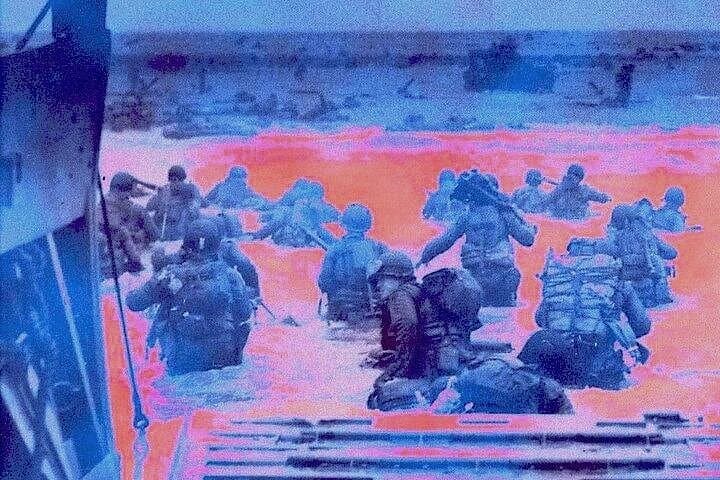
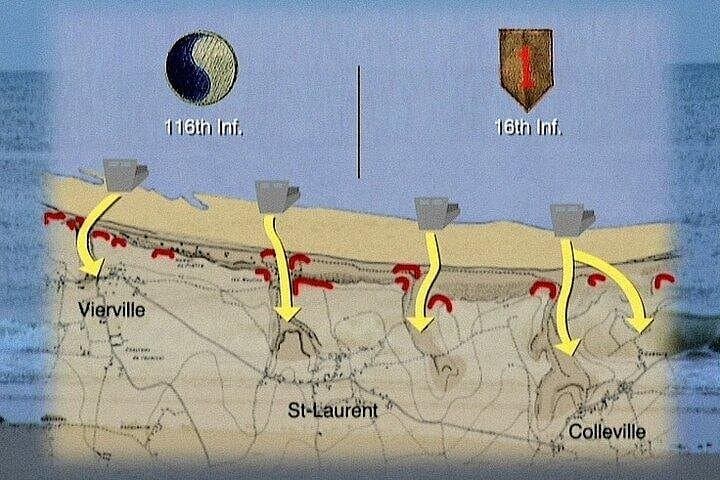
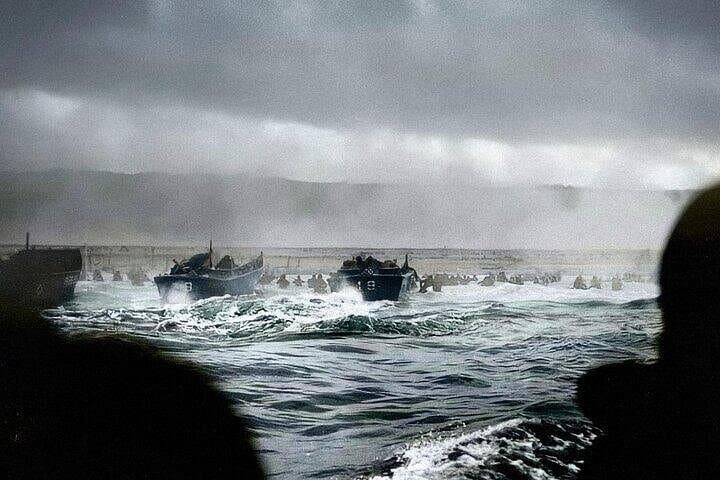
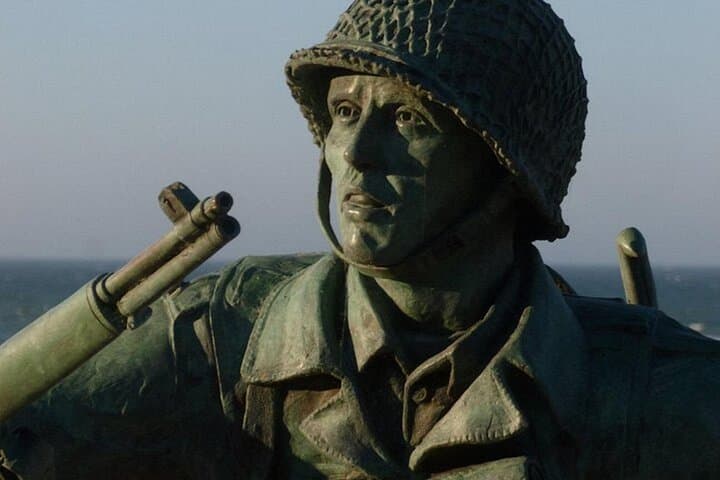
Morning light picks out white chalk on the cliffs above Omaha; salt wind presses against the faces of a small private group as the guide opens a faded map and begins to narrate. This is not a stroll through monuments but a twelve-hour, foot-to-coastline sweep of June 6, 1944 — from Sainte-Mère-Église’s cobbled square to the flattened dunes of Utah and the solemn grass of Colleville.
Morning light picks out white chalk on the cliffs above Omaha; salt wind presses against the faces of a small private group as the guide opens a faded map and begins to narrate. This is not a stroll through monuments but a twelve-hour, foot-to-coastline sweep of June 6, 1944 — from Sainte-Mère-Église’s cobbled square to the flattened dunes of Utah and the solemn grass of Colleville.
The route reads like a compact history lesson: airborne drops, sieges for bridges like La Fière, and the cliff assaults at Pointe du Hoc. Geology shapes the story here — low-lying beaches, fragile dunes, and limestone cliffs that funneled soldiers and shaped strategy. Local culture remains grounded in memory: village churches, wartime museums, and the nearby town of Bayeux whose medieval tapestry and postwar commemorations provide context.
Expect a mix of short walks, museum stops, viewpoint pauses and roadside storytelling. The tour balances archival detail — maps and eyewitness accounts — with on-the-ground observation of bunkers, revetments and landing craft preserved along the shore. Practicalities matter: plan for changing coastal weather, wear sturdy shoes for uneven bunkers and cliff-top paths, and bring a refillable bottle; bottled water may be provided but options in low-season are limited.
For travelers who want depth over speed, a private group of 5–8 allows time for questions, quiet reflection at the American Cemetery and a measured look inside fortified positions. The day is long, the subject heavy, and the landscape persistent — the sea keeps whispering the same hard questions the tour aims to answer.