THE ADVENTURE COLLECTIVE® · Independent discovery and booking for outdoor travel

Walk the sands where Canadian troops landed on D‑Day, explore the Juno Beach Centre’s archives, and reflect in the Canadian Military Cemetery at Reviers. This private full‑day shore excursion from Le Havre blends battlefield context with coastal scenery and practical logistics for cruise travelers.
Walk the sands where Canadian troops landed on D‑Day, explore the Juno Beach Centre’s archives, and reflect in the Canadian Military Cemetery at Reviers. This private full‑day shore excursion from Le Havre blends battlefield context with coastal scenery and practical logistics for cruise travelers.
You step off the shuttle onto cool sand and the Channel wind pushes at your jacket—the sea ahead a broad, grey hand that, on June 6, 1944, met an armada of boats. This private D‑Day tour from your cruise terminal places you directly at Juno Beach, moves through the Juno Beach Centre’s focused exhibits, and concludes in the quiet rows of the Canadian War Cemetery at Reviers.
Verified experiences and guided adventures in the surrounding area.
Operated by Y GO SHUTTLE · Courseulles-sur-Mer, Normandy
You step off the shuttle onto cool sand and the Channel wind pushes at your jacket—the sea ahead a broad, grey hand that, on June 6, 1944, met an armada of boats. This private D‑Day tour from your cruise terminal places you directly at Juno Beach, moves through the Juno Beach Centre’s focused exhibits, and concludes in the quiet rows of the Canadian War Cemetery at Reviers.
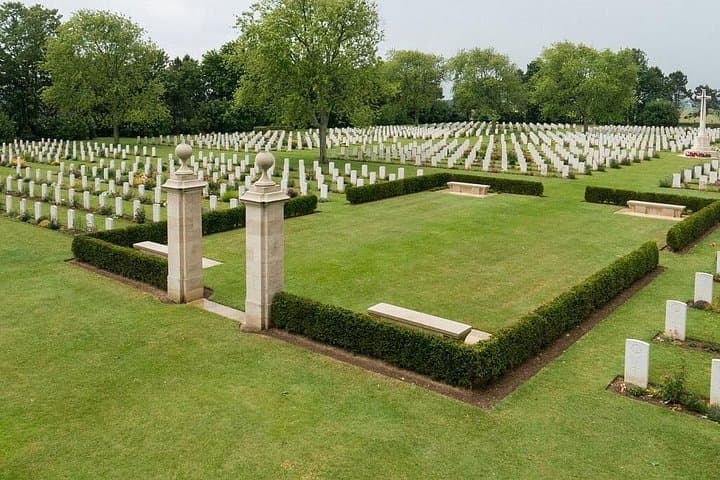
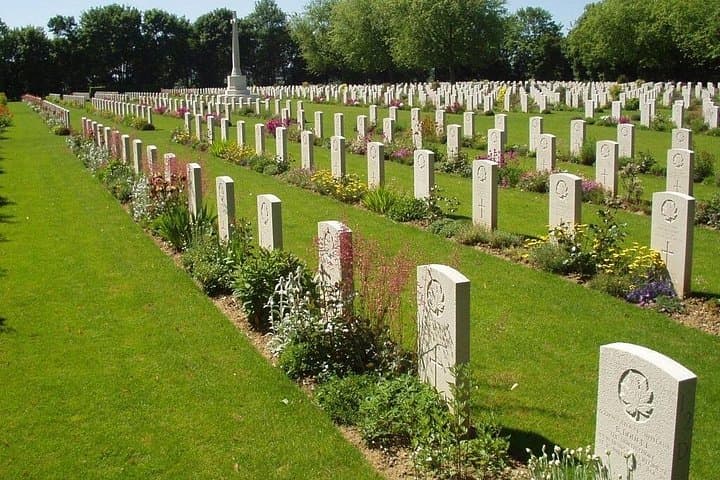
The Normandy coast is a working coastline: cliffs of chalk and clay give way to pebble and sand, shaped by tidal ranges that expose wide beaches and a layered wartime coastline. Juno was one of five assault beaches and the primary Canadian sector; soldiers landed here amid surf, mines, and entrenched defenses. The Juno Beach Centre interprets those operations through personal artifacts, film, and maps, while Reviers Cemetery records the scale of sacrifice—more than 2,000 graves in trimmed lawns and rows.
Beyond military history you’ll notice regional touches: Norman stone villages, maritime cuisine in nearby harbors, and the pragmatic engineering of wartime mulberries and remnants left on the shore. Guides clarify timelines, troop movements, and how tides shaped battle plans.
Practical guidance: the tour runs roughly 8–10 hours with several short walks on sand and paved pathways; wear stout shoes that handle wet sand and cobbles, and plan for wind and sun. Bring a small pack, water, and a respectful silence for cemetery visits. For cruise passengers the operator times pickup and return to match ship schedules—confirm exact pickup points in advance.
The tour runs about 8–10 hours; the operator monitors ship schedules and guarantees return on time—confirm pickup point and boarding time when you book.
Many sites have wheelchair‑accessible areas and transport is accessible, but beach access can be uneven; contact the provider to arrange specifics.
This private option typically visits the centre but may not include museum admission—check the booking details or add entry at reservation.
Yes—drivers plan rest and refreshment stops and there are cafés near Courseulles and at the museum; inform the operator of dietary needs ahead of time.
Y GO SHUTTLE operates guided outdoor trips and adventures with an emphasis on safety, stewardship, and memorable experiences.


You step off the shuttle onto cool sand and the Channel wind pushes at your jacket—the sea ahead a broad, grey hand that, on June 6, 1944, met an armada of boats. This private D‑Day tour from your cruise terminal places you directly at Juno Beach, moves through the Juno Beach Centre’s focused exhibits, and concludes in the quiet rows of the Canadian War Cemetery at Reviers.
You step off the shuttle onto cool sand and the Channel wind pushes at your jacket—the sea ahead a broad, grey hand that, on June 6, 1944, met an armada of boats. This private D‑Day tour from your cruise terminal places you directly at Juno Beach, moves through the Juno Beach Centre’s focused exhibits, and concludes in the quiet rows of the Canadian War Cemetery at Reviers.
The Normandy coast is a working coastline: cliffs of chalk and clay give way to pebble and sand, shaped by tidal ranges that expose wide beaches and a layered wartime coastline. Juno was one of five assault beaches and the primary Canadian sector; soldiers landed here amid surf, mines, and entrenched defenses. The Juno Beach Centre interprets those operations through personal artifacts, film, and maps, while Reviers Cemetery records the scale of sacrifice—more than 2,000 graves in trimmed lawns and rows.
Beyond military history you’ll notice regional touches: Norman stone villages, maritime cuisine in nearby harbors, and the pragmatic engineering of wartime mulberries and remnants left on the shore. Guides clarify timelines, troop movements, and how tides shaped battle plans.
Practical guidance: the tour runs roughly 8–10 hours with several short walks on sand and paved pathways; wear stout shoes that handle wet sand and cobbles, and plan for wind and sun. Bring a small pack, water, and a respectful silence for cemetery visits. For cruise passengers the operator times pickup and return to match ship schedules—confirm exact pickup points in advance.