THE ADVENTURE COLLECTIVE® · Independent discovery and booking for outdoor travel

Fly 1,500 meters through Da Lat’s pine canopy and then drop into a canyon of waterfalls, slides and rappels. This six‑hour combo pairs Asia’s longest forest zipline with technical canyoning—skills, safety and a serious adrenaline hit.
Fly 1,500 meters through Da Lat’s pine canopy and then drop into a canyon of waterfalls, slides and rappels. This six‑hour combo pairs Asia’s longest forest zipline with technical canyoning—skills, safety and a serious adrenaline hit.
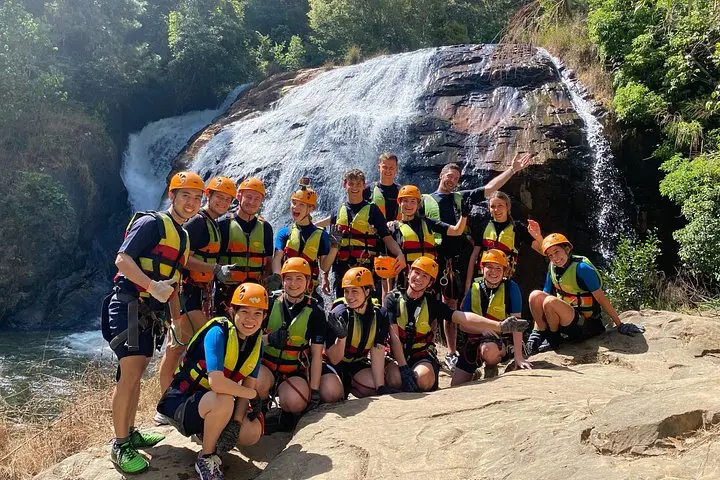
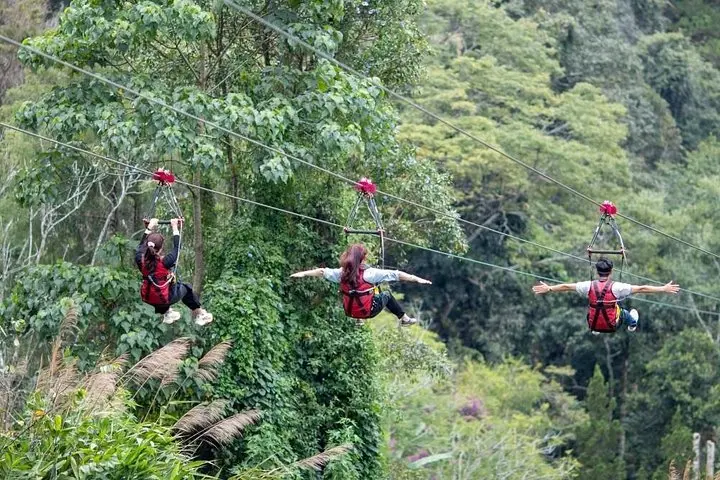
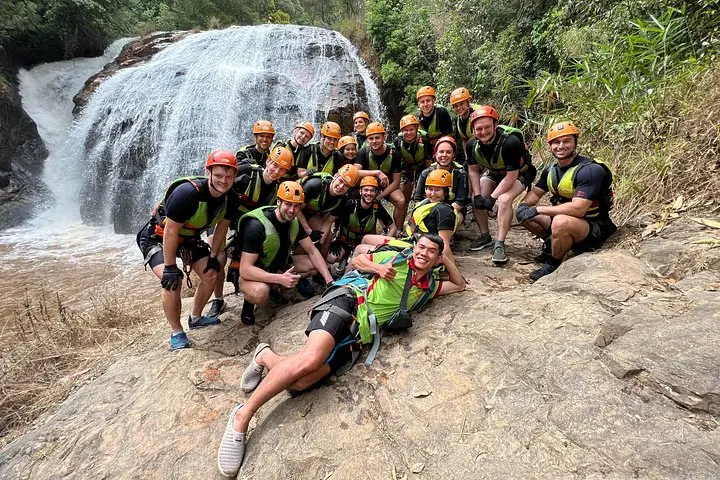
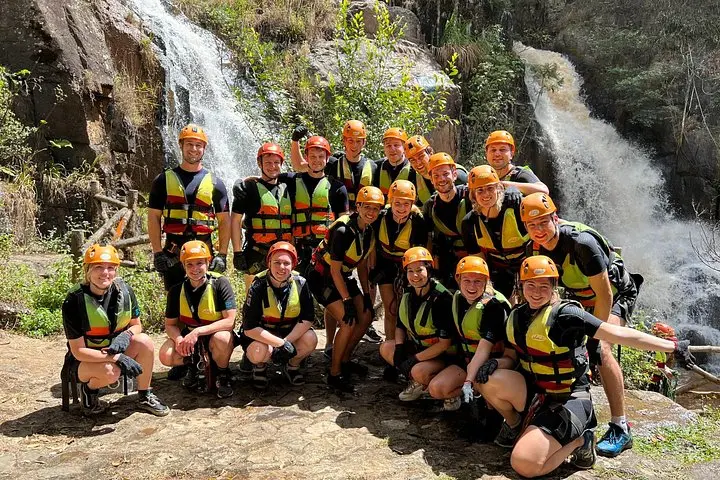
You step off the van and the temperature drops a few degrees—pine needles whisper underfoot and the forest seems to lean in. Guides tighten harnesses with practiced hands, the zipline tower rising like a cable-stiff spine through mist. For the next six hours the landscape alternates between rush and hush: an explosive 1500m flight through treetops, then the intimate, wet choreography of canyoning—slides, jumps and a 25m waterfall station that demands focus and trust.
Verified experiences and guided adventures in the surrounding area.
Operated by Viet Challenge Tours · Da Lat, Lam Dong
You step off the van and the temperature drops a few degrees—pine needles whisper underfoot and the forest seems to lean in. Guides tighten harnesses with practiced hands, the zipline tower rising like a cable-stiff spine through mist. For the next six hours the landscape alternates between rush and hush: an explosive 1500m flight through treetops, then the intimate, wet choreography of canyoning—slides, jumps and a 25m waterfall station that demands focus and trust.
Da Lat’s highland geology is compacted basalt and ancient volcanic soils; the streams you move through have carved narrow gorges and polished rock chutes over millennia. The town itself carries a different imprint: French colonial architects planted vineyards and pines here in the early 20th century when Da Lat was developed as a hill station. The result is a patchwork of temperate forest and coffee farms that frames the canyoning playground.
This particular combo tour sets itself apart with the 1500m forest zipline—marketed as the longest in Asia—and a three-line system that delivers sustained speed and long views across the valley. The canyoning sequence is technical in spots: an 18m dry cliff rappel, natural water slides, “Washing Machine” plunge pools and a waterfall-to-zipline transfer that blends adrenaline with technique. Guides supply helmets, harnesses and local knowledge; the operation runs with permits and first-aid kits, so the logistics are tight and professional.
Culturally, the route threads past small coffee plots and the occasional market road where growers sell cherries and snacks; guides often pause to point out how water rights and seasonal rains shape both farming and adventure schedules. Locals treat these streams as resources—so operators maintain permits and emphasize minimal impact.
Practical edge: the day is six hours door-to-door if you take the included hotel pickup (plan to be ready 30 minutes before departure). Expect to get wet repeatedly; even the “dry” cliff requires secure footwear and a brief swim. Physically, you need moderate-to-strong fitness and basic swimming ability. Bring a small waterproof pack or leave valuables at the base camp; phones need tethering or a dedicated waterproof case to survive the Washing Machine.
Timing matters—after heavy rains operators may postpone for safety, and mornings are cooler for the zipline launch and less crowded on the canyon route. Shoes with good tread, layered quick-dry clothing, sun protection and a towel will keep you comfortable. When you unclip at the end, there’s a clarity that’s more than the cold water: it’s the satisfaction of having negotiated speed and verticality in a place shaped by fire and water.
No—guides provide instruction and safety equipment, but you should be comfortable with heights and have basic swimming ability.
Not recommended for pregnant travelers or those with heart or serious back problems; age limits vary—confirm at booking and expect minimums for safety.
Yes—hotel pickup and drop-off are included for many central Da Lat hotels; pickup is typically 30 minutes before departure.
The operator cancels for safety in heavy rain or storms and offers a full refund if you cancel at least 24 hours in advance.
You will get wet repeatedly—bring swimwear under clothing, a towel, and a change of clothes; providers supply bottled water and lunch.
Equipment is professionally maintained and guides are trained; the tour includes helmets, harnesses, and first-aid kits and operates with local permits.
Viet Challenge Tours operates guided outdoor trips and adventures with an emphasis on safety, stewardship, and memorable experiences.
You step off the van and the temperature drops a few degrees—pine needles whisper underfoot and the forest seems to lean in. Guides tighten harnesses with practiced hands, the zipline tower rising like a cable-stiff spine through mist. For the next six hours the landscape alternates between rush and hush: an explosive 1500m flight through treetops, then the intimate, wet choreography of canyoning—slides, jumps and a 25m waterfall station that demands focus and trust.
You step off the van and the temperature drops a few degrees—pine needles whisper underfoot and the forest seems to lean in. Guides tighten harnesses with practiced hands, the zipline tower rising like a cable-stiff spine through mist. For the next six hours the landscape alternates between rush and hush: an explosive 1500m flight through treetops, then the intimate, wet choreography of canyoning—slides, jumps and a 25m waterfall station that demands focus and trust.
Da Lat’s highland geology is compacted basalt and ancient volcanic soils; the streams you move through have carved narrow gorges and polished rock chutes over millennia. The town itself carries a different imprint: French colonial architects planted vineyards and pines here in the early 20th century when Da Lat was developed as a hill station. The result is a patchwork of temperate forest and coffee farms that frames the canyoning playground.
This particular combo tour sets itself apart with the 1500m forest zipline—marketed as the longest in Asia—and a three-line system that delivers sustained speed and long views across the valley. The canyoning sequence is technical in spots: an 18m dry cliff rappel, natural water slides, “Washing Machine” plunge pools and a waterfall-to-zipline transfer that blends adrenaline with technique. Guides supply helmets, harnesses and local knowledge; the operation runs with permits and first-aid kits, so the logistics are tight and professional.
Culturally, the route threads past small coffee plots and the occasional market road where growers sell cherries and snacks; guides often pause to point out how water rights and seasonal rains shape both farming and adventure schedules. Locals treat these streams as resources—so operators maintain permits and emphasize minimal impact.
Practical edge: the day is six hours door-to-door if you take the included hotel pickup (plan to be ready 30 minutes before departure). Expect to get wet repeatedly; even the “dry” cliff requires secure footwear and a brief swim. Physically, you need moderate-to-strong fitness and basic swimming ability. Bring a small waterproof pack or leave valuables at the base camp; phones need tethering or a dedicated waterproof case to survive the Washing Machine.
Timing matters—after heavy rains operators may postpone for safety, and mornings are cooler for the zipline launch and less crowded on the canyon route. Shoes with good tread, layered quick-dry clothing, sun protection and a towel will keep you comfortable. When you unclip at the end, there’s a clarity that’s more than the cold water: it’s the satisfaction of having negotiated speed and verticality in a place shaped by fire and water.