THE ADVENTURE COLLECTIVE® · Independent discovery and booking for outdoor travel

Shop a bustling Da Nang market, then learn to make five classic Vietnamese dishes under a local chef’s instruction. This three-hour class blends hands-on cooking with cultural context and a take-home cookbook and certificate.
Shop a bustling Da Nang market, then learn to make five classic Vietnamese dishes under a local chef’s instruction. This three-hour class blends hands-on cooking with cultural context and a take-home cookbook and certificate.
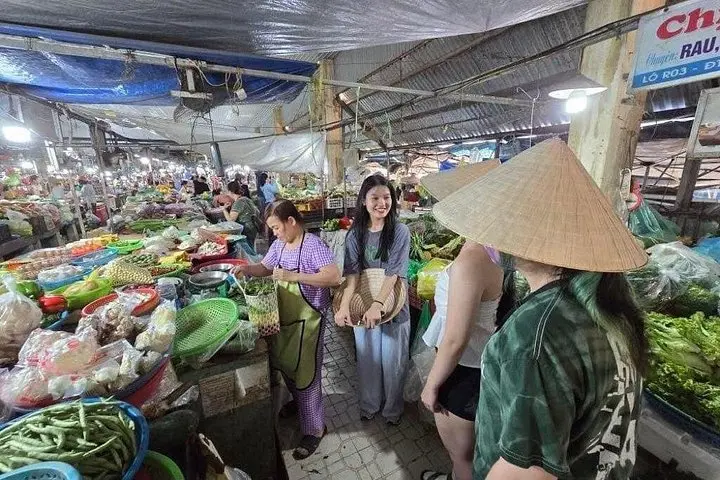
You step off a narrow alley into the noise of an early Da Nang market: plastic tubs clink, fishmongers call, and the citrusy scent of herbs presses toward you. The instructor guides the group through stalls where basil, banana flower and fresh noodles are stacked in deliberate chaos; each ingredient has a local voice.
Verified experiences and guided adventures in the surrounding area.
Operated by Danang Summer Cooking Class · Da Nang, Da Nang
You step off a narrow alley into the noise of an early Da Nang market: plastic tubs clink, fishmongers call, and the citrusy scent of herbs presses toward you. The instructor guides the group through stalls where basil, banana flower and fresh noodles are stacked in deliberate chaos; each ingredient has a local voice.
The menu pulls from Vietnam’s three culinary regions—northern pho, central bun cha, and southern sweets—condensed into five hands-on dishes. Da Nang sits on the central coast between the Han River and the Son Tra Peninsula, a working port whose foodways were shaped by fishing, trade and regional exchange; those currents arrive at the cooking bench as sauces, textures and techniques.
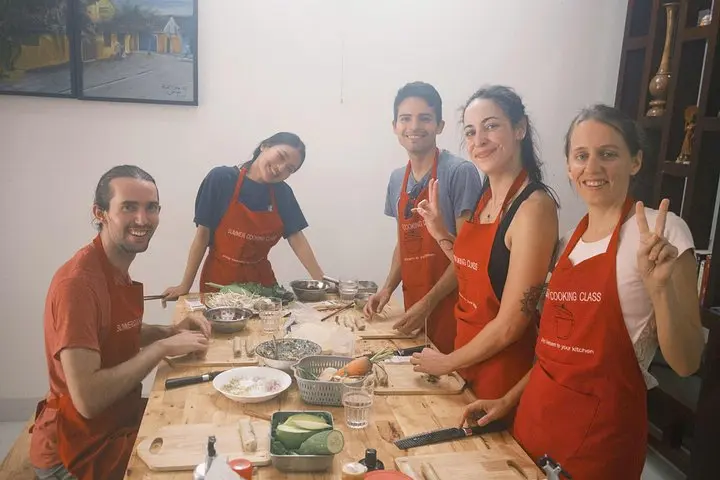
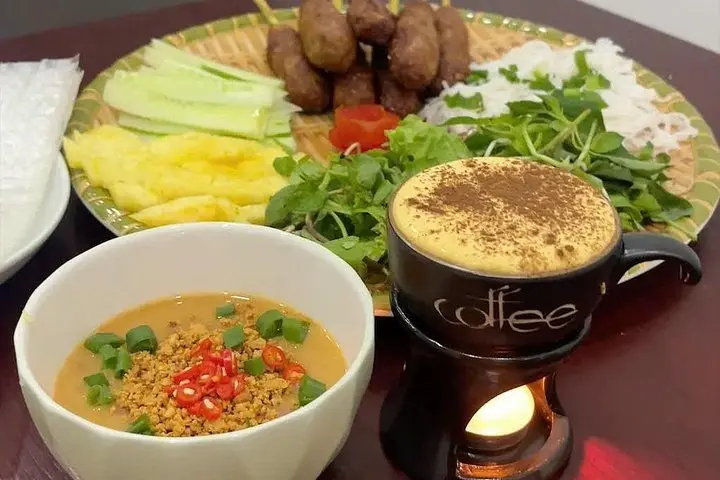
Class time divides neatly: a market walk to source ingredients, then a kitchen session led by a Vietnamese chef where you learn knife work, balance of sweet-sour-salty and the stories behind each plate. Expect to cook phở, bun cha, banana flower salad, nem cuon and finish with salted coffee or cacao. Meals and equipment are provided; you take home a recipe booklet and certificate.
Practical edge: arrive 10 minutes early, bring small change for market purchases, and declare allergies when booking—classes accommodate dietary needs. Wear comfortable, closed-toe shoes for wet market ground and a light layer for coastal breezes. Plan this as a three-hour cultural deep-dive—less a passive demo and more a structured, tactile lesson in Vietnamese flavors.
The class covers phở, bun cha, banana flower salad, nem cuon (spring rolls), and a salted coffee or cacao dessert; recipes are included.
Yes—knives, cutting boards, cookware and a recipe booklet are provided; you receive a certificate at the end.
Yes—bookings request dietary requirements and the instructor will adapt recipes where possible; notify at booking time.
Meet at 85 Pham Quang Anh in An Hai, Son Tra; arrive about 10 minutes early to start the market tour on time.
Danang Summer Cooking Class operates guided outdoor trips and adventures with an emphasis on safety, stewardship, and memorable experiences.
You step off a narrow alley into the noise of an early Da Nang market: plastic tubs clink, fishmongers call, and the citrusy scent of herbs presses toward you. The instructor guides the group through stalls where basil, banana flower and fresh noodles are stacked in deliberate chaos; each ingredient has a local voice.
You step off a narrow alley into the noise of an early Da Nang market: plastic tubs clink, fishmongers call, and the citrusy scent of herbs presses toward you. The instructor guides the group through stalls where basil, banana flower and fresh noodles are stacked in deliberate chaos; each ingredient has a local voice.
The menu pulls from Vietnam’s three culinary regions—northern pho, central bun cha, and southern sweets—condensed into five hands-on dishes. Da Nang sits on the central coast between the Han River and the Son Tra Peninsula, a working port whose foodways were shaped by fishing, trade and regional exchange; those currents arrive at the cooking bench as sauces, textures and techniques.
Class time divides neatly: a market walk to source ingredients, then a kitchen session led by a Vietnamese chef where you learn knife work, balance of sweet-sour-salty and the stories behind each plate. Expect to cook phở, bun cha, banana flower salad, nem cuon and finish with salted coffee or cacao. Meals and equipment are provided; you take home a recipe booklet and certificate.
Practical edge: arrive 10 minutes early, bring small change for market purchases, and declare allergies when booking—classes accommodate dietary needs. Wear comfortable, closed-toe shoes for wet market ground and a light layer for coastal breezes. Plan this as a three-hour cultural deep-dive—less a passive demo and more a structured, tactile lesson in Vietnamese flavors.