THE ADVENTURE COLLECTIVE® · Independent discovery and booking for outdoor travel

Spend a full day tracing Cham history at My Son, then climb through the Marble Mountains’ caves and pagodas for sweeping coastal views. This practical guide helps you prepare for the walking, weather, and cultural expectations of a long, heritage-rich day near Da Nang.
Spend a full day tracing Cham history at My Son, then climb through the Marble Mountains’ caves and pagodas for sweeping coastal views. This practical guide helps you prepare for the walking, weather, and cultural expectations of a long, heritage-rich day near Da Nang.
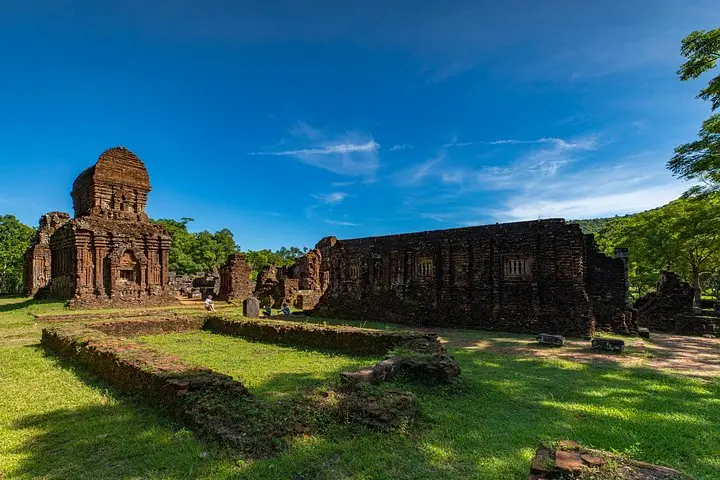
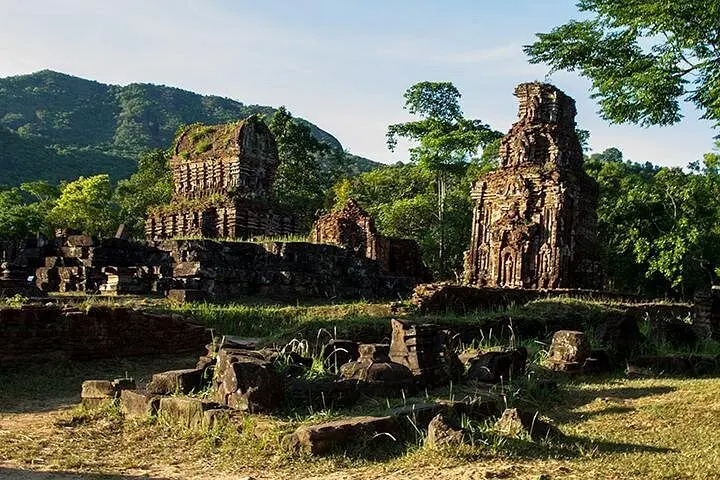
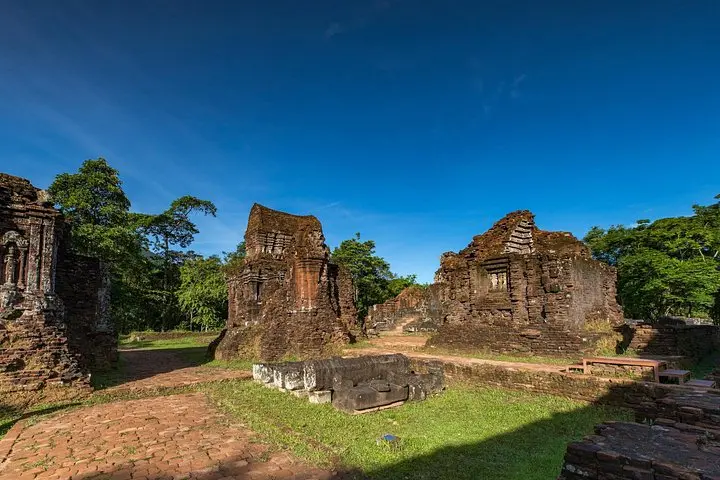
You arrive before sunrise on a broad Vietnamese plain; mist clings to rice paddies and the red-brick silhouettes of My Son’s towers appear like ruins waking from sleep. The guide points out carved lintels while the warm smell of damp earth and incense threads through the air.
Verified experiences and guided adventures in the surrounding area.
Operated by Hoi An Express Travel · Da Nang, Da Nang
You arrive before sunrise on a broad Vietnamese plain; mist clings to rice paddies and the red-brick silhouettes of My Son’s towers appear like ruins waking from sleep. The guide points out carved lintels while the warm smell of damp earth and incense threads through the air.
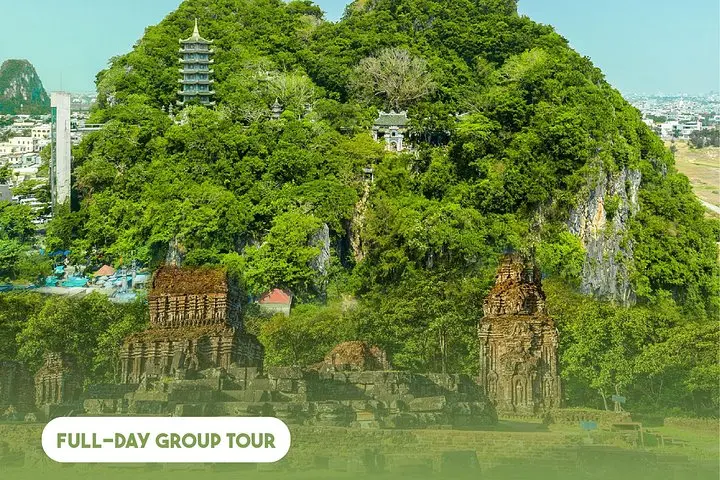
My Son was the ceremonial heart of the Champa Kingdom from the 7th–13th centuries; its temple towers are built of fired brick with distinctive Cham carvings that survived monsoon seasons and wartime damage. The Marble Mountains (Ngu Hanh Son) shift the day’s rhythm: limestone and marble outcrops puncture the coastline, caves hollowed by centuries of wind and sea, and stair-stepped pagodas perched above fishing villages.
Culture is tactile here — stone carvers at Non Nuoc shaping faces, monks ringing temple bells, and market stalls where prickly mangoes and dried squid sit beside steaming bowls of pho. Geology becomes obvious on the mountain: karst caverns, calcite deposits, and coastal terraces that reveal how the land rose and eroded.
Practically, expect a long day (about 9–10 hours) with moderate walking, stair climbs, and short cave scrambles. Comfortable shoes with grip, sun protection, and a refillable water bottle matter; there’s a one-way elevator at Marble Mountains but many viewpoints require steps. Aim for an early pickup to avoid midday heat and crowds, keep a lightweight rain layer in the wet season, and carry cash for small purchases at craft stalls. Respect temple etiquette—cover shoulders and remove hats when asked—and leave no trace in fragile archaeological zones.
The tour runs about 9–10 hours, including hotel pickup, travel between sites, and time at each attraction.
Yes—children are allowed; infants may be free and discounts apply for 6–10-year-olds, but expect lots of walking and stairs.
Yes; admission to My Son and Marble Mountains and a local lunch are included in the tour price.
There is a one-way elevator at Marble Mountains for part of the ascent, but many viewpoints and caves still require stairs.
Hoi An Express Travel operates guided outdoor trips and adventures with an emphasis on safety, stewardship, and memorable experiences.
You arrive before sunrise on a broad Vietnamese plain; mist clings to rice paddies and the red-brick silhouettes of My Son’s towers appear like ruins waking from sleep. The guide points out carved lintels while the warm smell of damp earth and incense threads through the air.
You arrive before sunrise on a broad Vietnamese plain; mist clings to rice paddies and the red-brick silhouettes of My Son’s towers appear like ruins waking from sleep. The guide points out carved lintels while the warm smell of damp earth and incense threads through the air.
My Son was the ceremonial heart of the Champa Kingdom from the 7th–13th centuries; its temple towers are built of fired brick with distinctive Cham carvings that survived monsoon seasons and wartime damage. The Marble Mountains (Ngu Hanh Son) shift the day’s rhythm: limestone and marble outcrops puncture the coastline, caves hollowed by centuries of wind and sea, and stair-stepped pagodas perched above fishing villages.
Culture is tactile here — stone carvers at Non Nuoc shaping faces, monks ringing temple bells, and market stalls where prickly mangoes and dried squid sit beside steaming bowls of pho. Geology becomes obvious on the mountain: karst caverns, calcite deposits, and coastal terraces that reveal how the land rose and eroded.
Practically, expect a long day (about 9–10 hours) with moderate walking, stair climbs, and short cave scrambles. Comfortable shoes with grip, sun protection, and a refillable water bottle matter; there’s a one-way elevator at Marble Mountains but many viewpoints require steps. Aim for an early pickup to avoid midday heat and crowds, keep a lightweight rain layer in the wet season, and carry cash for small purchases at craft stalls. Respect temple etiquette—cover shoulders and remove hats when asked—and leave no trace in fragile archaeological zones.