THE ADVENTURE COLLECTIVE® · Independent discovery and booking for outdoor travel

A compact, three‑hour walking tour through Da Nang’s cultural core: Cham Museum’s ancient sculpture, An Long Pagoda’s living practice, wartime riverfront traces, and street‑side flavors like coconut coffee and Hanoi‑style pho.
A compact, three‑hour walking tour through Da Nang’s cultural core: Cham Museum’s ancient sculpture, An Long Pagoda’s living practice, wartime riverfront traces, and street‑side flavors like coconut coffee and Hanoi‑style pho.
Morning in Da Nang arrives humid and bright; your guide leads you from a tree-lined street to the Cham Museum’s cool stone galleries where sculpted deities hold silent court.
Verified experiences and guided adventures in the surrounding area.
Operated by Hung Le Travel-The Local Signature · Da Nang, Da Nang
Morning in Da Nang arrives humid and bright; your guide leads you from a tree-lined street to the Cham Museum’s cool stone galleries where sculpted deities hold silent court.
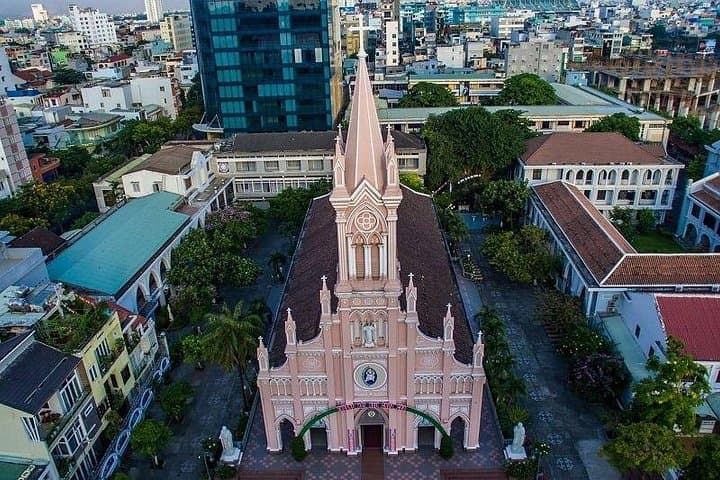
The walk moves fast through time: Cham sandstone reliefs dated 7th–14th centuries, stories of the Champa kingdom and links to the My Son sanctuary 60 km inland, then a quiet step into An Long Pagoda where Mahayana practice still shapes neighborhood rhythms. The city’s layers—French-market architecture, wartime American infrastructure along the Han River, and the modern sweep of the 666‑meter Dragon Bridge—are visible in a single three‑hour loop.
Geologically, central Vietnam sits on a coastal plain backed by the Truong Son foothills; the Han River cuts a working corridor through that plain, attracting both markets and birds. Culturally you’ll encounter everyday rituals: morning pho in the Hanoi Quarter, coconut or salted coffee prepared at sidewalk cafes, and incense at temple altars.
Practical guidance: the tour is largely flat but involves 2–3 miles of walking and several stair climbs at religious sites, so wear sturdy, breathable shoes and bring water. Dress respectfully for pagodas (shoulders and knees covered). Expect heat and sudden rain in summer—start early or choose late afternoon to avoid midday sun. Cash small bills for Han Market and tip guides for in‑depth local history. The Cham Museum entrance is generally included; ask about photography rules for sacred spaces.
This route suits curious travelers who prefer contextual walking over rushed bus stops—history, food, and city life in compact, walkable segments.
Cham Museum entrance is typically included in this private tour—confirm at booking and bring ID for ticketing.
Yes—strollers can be used and the route is on paved streets, but some temple areas require carrying infants or using stairs.
An English‑speaking guide with historical background leads the private tour; confirm if you need another language in advance.
The itinerary includes tastings such as pho and coconut/salt coffee depending on the chosen option—notify dietary restrictions when booking.
Hung Le Travel-The Local Signature operates guided outdoor trips and adventures with an emphasis on safety, stewardship, and memorable experiences.
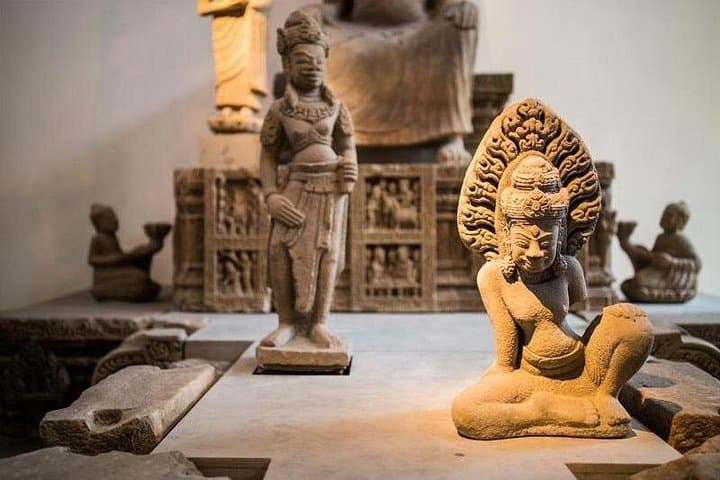


Morning in Da Nang arrives humid and bright; your guide leads you from a tree-lined street to the Cham Museum’s cool stone galleries where sculpted deities hold silent court.
Morning in Da Nang arrives humid and bright; your guide leads you from a tree-lined street to the Cham Museum’s cool stone galleries where sculpted deities hold silent court.
The walk moves fast through time: Cham sandstone reliefs dated 7th–14th centuries, stories of the Champa kingdom and links to the My Son sanctuary 60 km inland, then a quiet step into An Long Pagoda where Mahayana practice still shapes neighborhood rhythms. The city’s layers—French-market architecture, wartime American infrastructure along the Han River, and the modern sweep of the 666‑meter Dragon Bridge—are visible in a single three‑hour loop.
Geologically, central Vietnam sits on a coastal plain backed by the Truong Son foothills; the Han River cuts a working corridor through that plain, attracting both markets and birds. Culturally you’ll encounter everyday rituals: morning pho in the Hanoi Quarter, coconut or salted coffee prepared at sidewalk cafes, and incense at temple altars.
Practical guidance: the tour is largely flat but involves 2–3 miles of walking and several stair climbs at religious sites, so wear sturdy, breathable shoes and bring water. Dress respectfully for pagodas (shoulders and knees covered). Expect heat and sudden rain in summer—start early or choose late afternoon to avoid midday sun. Cash small bills for Han Market and tip guides for in‑depth local history. The Cham Museum entrance is generally included; ask about photography rules for sacred spaces.
This route suits curious travelers who prefer contextual walking over rushed bus stops—history, food, and city life in compact, walkable segments.