THE ADVENTURE COLLECTIVE® · Independent discovery and booking for outdoor travel

A full-day shore excursion from Chan May or Tien Sa port that combines coastal jungle, marble karst hills and Hoi An’s UNESCO-listed streets. Expect viewpoints, cave walks, a seaside pagoda and a curated local lunch.
A full-day shore excursion from Chan May or Tien Sa port that combines coastal jungle, marble karst hills and Hoi An’s UNESCO-listed streets. Expect viewpoints, cave walks, a seaside pagoda and a curated local lunch.
You step off the gangway into humid air and the low roar of the South China Sea; within an hour you’re winding up Son Tra’s coastal road toward the Linh Ung Pagoda, where the Giant Lady Buddha watches the ocean from seventeen stacked levels.
Verified experiences and guided adventures in the surrounding area.
Operated by Andy hoi an online Tours · Da Nang, Da Nang
You step off the gangway into humid air and the low roar of the South China Sea; within an hour you’re winding up Son Tra’s coastal road toward the Linh Ung Pagoda, where the Giant Lady Buddha watches the ocean from seventeen stacked levels.
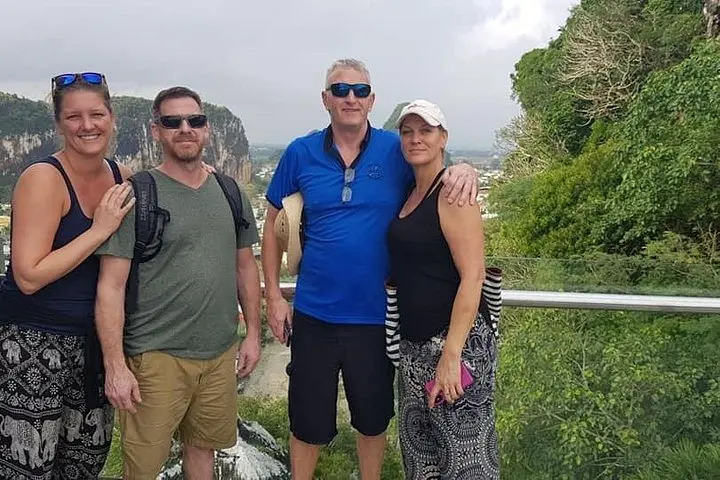
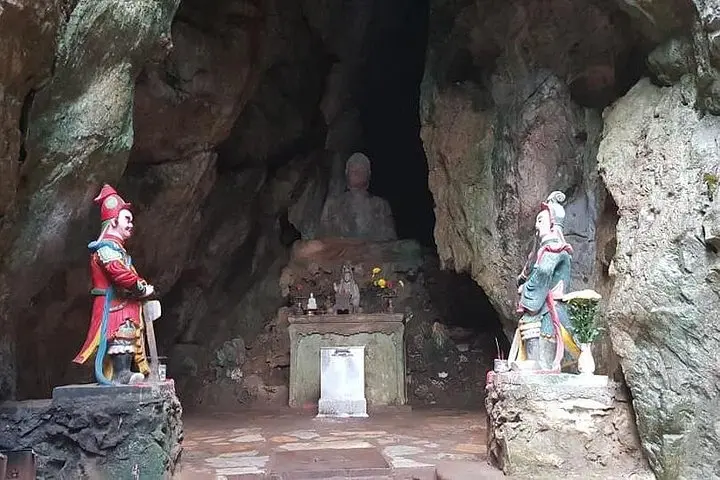
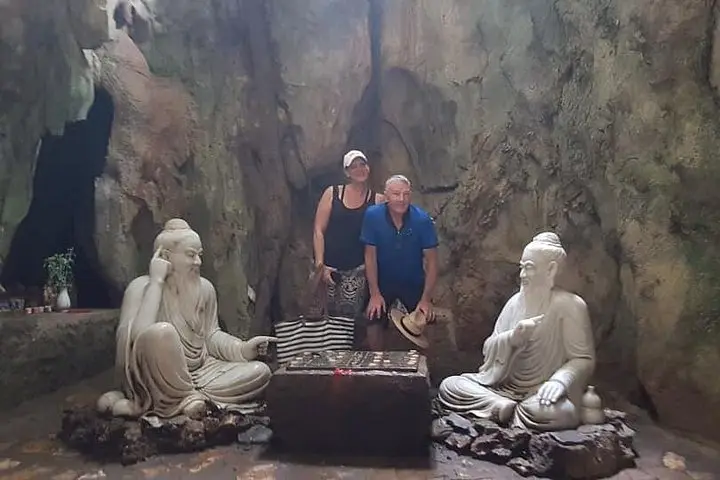
The route stitches together three distinct landscapes. Son Tra (Monkey Mountain) is a granite-and-jungle outcrop with coastal viewpoints and a chance to spot macaques and the rare red-shanked douc. Marble Mountains are a short drive south—five marble and limestone hills named for the elements—offering stair-cut paths, shadowed caves and compact pagodas perched over the city and coast. Finish in Hoi An’s old town: a compact UNESCO port city of wooden shop houses, the covered Japanese Bridge, and narrow lanes that recall centuries of trade with China, Japan and Europe.
Geology and history sit side-by-side—Son Tra’s weathered volcanic rock and Marble Mountains’ karst caves shaped local stonecrafts, while Hoi An preserves the layout of a 16th–18th century trading port. Local guides translate stones and storefronts into context and point out cultural etiquette at temples.
Practical essentials: this is a 7–8 hour shore excursion with private transfer and lunch included; bring sturdy shoes for stairs and uneven cave floors, sun protection, and a light rain layer in wet-season months. Wear modest clothing for pagodas and keep small change for refreshments or souvenirs. Expect several short walks, steps and tight cave passages—moderate fitness and steady footing make the day more comfortable.
Yes—pickup and return to the port gate are arranged; provide your cruise schedule so the operator times transfers and returns at least one hour before departure.
Entrance tickets to listed sites and the set lunch at a local restaurant are included in the tour price according to the itinerary.
Expect several short to moderate walks: viewpoint approaches, stair climbs at Marble Mountains and flat wandering in Hoi An; overall mobility at a moderate level is recommended.
The tour is family-friendly but involves stairs and some uneven terrain—infants in strollers may be accommodated in transfers but pagoda steps and caves are less accessible.
Andy hoi an online Tours operates guided outdoor trips and adventures with an emphasis on safety, stewardship, and memorable experiences.

You step off the gangway into humid air and the low roar of the South China Sea; within an hour you’re winding up Son Tra’s coastal road toward the Linh Ung Pagoda, where the Giant Lady Buddha watches the ocean from seventeen stacked levels.
You step off the gangway into humid air and the low roar of the South China Sea; within an hour you’re winding up Son Tra’s coastal road toward the Linh Ung Pagoda, where the Giant Lady Buddha watches the ocean from seventeen stacked levels.
The route stitches together three distinct landscapes. Son Tra (Monkey Mountain) is a granite-and-jungle outcrop with coastal viewpoints and a chance to spot macaques and the rare red-shanked douc. Marble Mountains are a short drive south—five marble and limestone hills named for the elements—offering stair-cut paths, shadowed caves and compact pagodas perched over the city and coast. Finish in Hoi An’s old town: a compact UNESCO port city of wooden shop houses, the covered Japanese Bridge, and narrow lanes that recall centuries of trade with China, Japan and Europe.
Geology and history sit side-by-side—Son Tra’s weathered volcanic rock and Marble Mountains’ karst caves shaped local stonecrafts, while Hoi An preserves the layout of a 16th–18th century trading port. Local guides translate stones and storefronts into context and point out cultural etiquette at temples.
Practical essentials: this is a 7–8 hour shore excursion with private transfer and lunch included; bring sturdy shoes for stairs and uneven cave floors, sun protection, and a light rain layer in wet-season months. Wear modest clothing for pagodas and keep small change for refreshments or souvenirs. Expect several short walks, steps and tight cave passages—moderate fitness and steady footing make the day more comfortable.