THE ADVENTURE COLLECTIVE® · Independent discovery and booking for outdoor travel

Drift down the Cổ Cò by wooden boat, cycle past rice paddies to Tra Que village, and learn Vietnamese cooking with ingredients you harvest yourself. This 5–6 hour cultural-adventure blends easy activity with hands-on food and farming experiences outside Hoi An.
Drift down the Cổ Cò by wooden boat, cycle past rice paddies to Tra Que village, and learn Vietnamese cooking with ingredients you harvest yourself. This 5–6 hour cultural-adventure blends easy activity with hands-on food and farming experiences outside Hoi An.
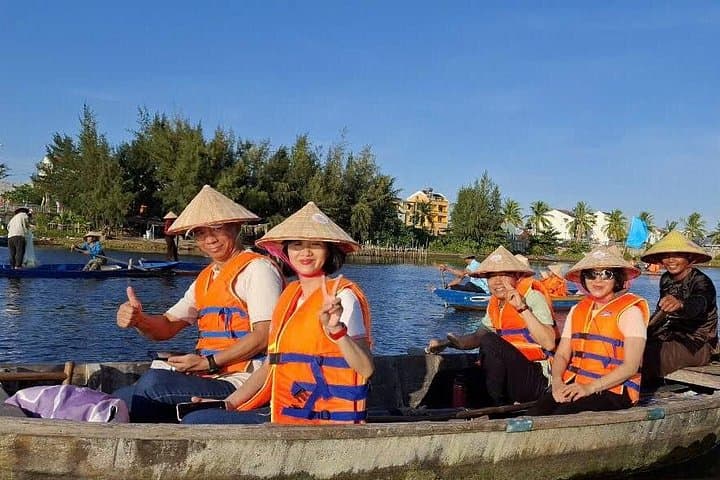
Morning mist lifts off the Cổ Cò and the boatman’s oar parts the water as your wooden skiff eases away from the quay. The river pushes you past farmland and clumps of bamboo, fishermen casting nets like practiced punctuation marks in the landscape. Within an hour the bustle of Da Nang fades and Hoi An’s rural edge opens: narrow paths, emerald rice paddies, and the herb-scented plots of Tra Que village.
Verified experiences and guided adventures in the surrounding area.
Operated by Golden Bridge · Hoi An, Quang Nam Province
Morning mist lifts off the Cổ Cò and the boatman’s oar parts the water as your wooden skiff eases away from the quay. The river pushes you past farmland and clumps of bamboo, fishermen casting nets like practiced punctuation marks in the landscape. Within an hour the bustle of Da Nang fades and Hoi An’s rural edge opens: narrow paths, emerald rice paddies, and the herb-scented plots of Tra Que village.
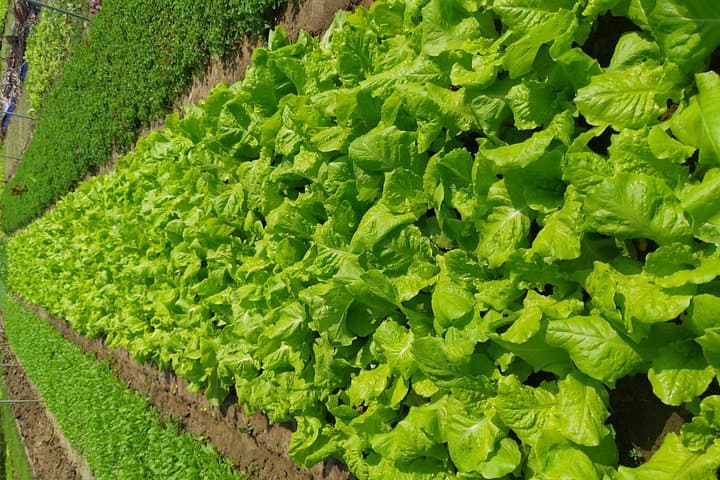
Tra Que has been farmland for generations — soil fed by the river, gardens organized around family shrines and seasonal cultivation. Geologically the plain is alluvial, flat and fertile; culturally it’s part of Hoi An’s agrarian hinterland shaped by Cham trade routes and later Vietnamese village life. Small hamlets still practice rice-paper making, shrimp pond tending, and workshops that shape fish cakes and baskets by hand.
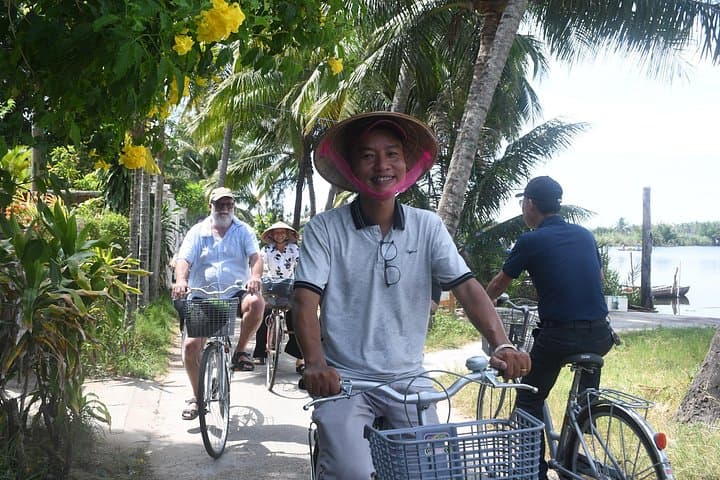
The day combines easy cycling on quiet village roads, time on a traditional wooden boat, hands-on food activities (rolling rice paper, harvesting herbs), and a homestyle lunch using ingredients you helped pick. The rhythm moves from river to road to kitchen: the boat invites quiet observation, the bike challenges your balance on earth and stone, the cooking class rewards patience with flavors bright from Tra Que’s soil.
Practical guide: allow 5–6 hours, aim for morning departures to avoid heat and afternoon rains, wear quick-dry clothing and closed-toe shoes for cycling, and bring sunscreen and insect repellent. Expect gentle grades, short on-foot sections, and local guides who translate both directions — perfect for travelers seeking active cultural immersion without technical demands.
The experience runs about 5–6 hours, typically including boat time, a cycling loop, hands-on village activities, and a home-cooked lunch.
No—routes use quiet village roads and flat terrain; basic cycling ability is sufficient and e-bikes are not required.
Yes; most activities are family-friendly but supervision is recommended around water and when handling cooking tools.
Bring small cash for optional snacks, tips, or local purchases at markets—most tours include lunch and bottled water.
Golden Bridge operates guided outdoor trips and adventures with an emphasis on safety, stewardship, and memorable experiences.

Morning mist lifts off the Cổ Cò and the boatman’s oar parts the water as your wooden skiff eases away from the quay. The river pushes you past farmland and clumps of bamboo, fishermen casting nets like practiced punctuation marks in the landscape. Within an hour the bustle of Da Nang fades and Hoi An’s rural edge opens: narrow paths, emerald rice paddies, and the herb-scented plots of Tra Que village.
Morning mist lifts off the Cổ Cò and the boatman’s oar parts the water as your wooden skiff eases away from the quay. The river pushes you past farmland and clumps of bamboo, fishermen casting nets like practiced punctuation marks in the landscape. Within an hour the bustle of Da Nang fades and Hoi An’s rural edge opens: narrow paths, emerald rice paddies, and the herb-scented plots of Tra Que village.
Tra Que has been farmland for generations — soil fed by the river, gardens organized around family shrines and seasonal cultivation. Geologically the plain is alluvial, flat and fertile; culturally it’s part of Hoi An’s agrarian hinterland shaped by Cham trade routes and later Vietnamese village life. Small hamlets still practice rice-paper making, shrimp pond tending, and workshops that shape fish cakes and baskets by hand.
The day combines easy cycling on quiet village roads, time on a traditional wooden boat, hands-on food activities (rolling rice paper, harvesting herbs), and a homestyle lunch using ingredients you helped pick. The rhythm moves from river to road to kitchen: the boat invites quiet observation, the bike challenges your balance on earth and stone, the cooking class rewards patience with flavors bright from Tra Que’s soil.
Practical guide: allow 5–6 hours, aim for morning departures to avoid heat and afternoon rains, wear quick-dry clothing and closed-toe shoes for cycling, and bring sunscreen and insect repellent. Expect gentle grades, short on-foot sections, and local guides who translate both directions — perfect for travelers seeking active cultural immersion without technical demands.