THE ADVENTURE COLLECTIVE® · Independent discovery and booking for outdoor travel

Sail the Nile aboard a private dahabeya on a five-day Luxor-to-Aswan route that pairs iconic temples with leisurely river travel. This all-inclusive program combines flights from Cairo, an art-historian guide, and nights on board for a curated Upper Egypt experience.
Sail the Nile aboard a private dahabeya on a five-day Luxor-to-Aswan route that pairs iconic temples with leisurely river travel. This all-inclusive program combines flights from Cairo, an art-historian guide, and nights on board for a curated Upper Egypt experience.
Morning light slides across the Nile as a traditional dahabeya eases away from Luxor’s quay—sails slack, deckboards warm underfoot, and the river seems to push travelers gently toward history. On this private five-day voyage from Luxor to Aswan, the current becomes a guide, carrying passengers past village feluccas, palm-fringed banks, and temples that lean toward the water as if to listen.
Verified experiences and guided adventures in the surrounding area.
Operated by Egypt Best Day Tours · Luxor, Luxor Governorate
Morning light slides across the Nile as a traditional dahabeya eases away from Luxor’s quay—sails slack, deckboards warm underfoot, and the river seems to push travelers gently toward history. On this private five-day voyage from Luxor to Aswan, the current becomes a guide, carrying passengers past village feluccas, palm-fringed banks, and temples that lean toward the water as if to listen.
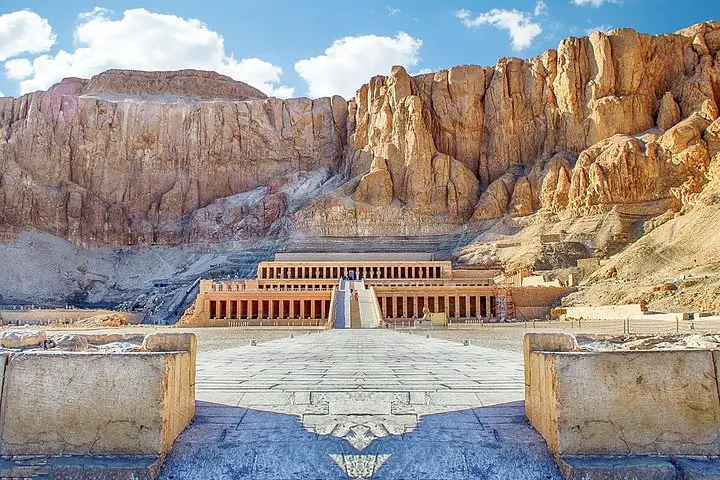
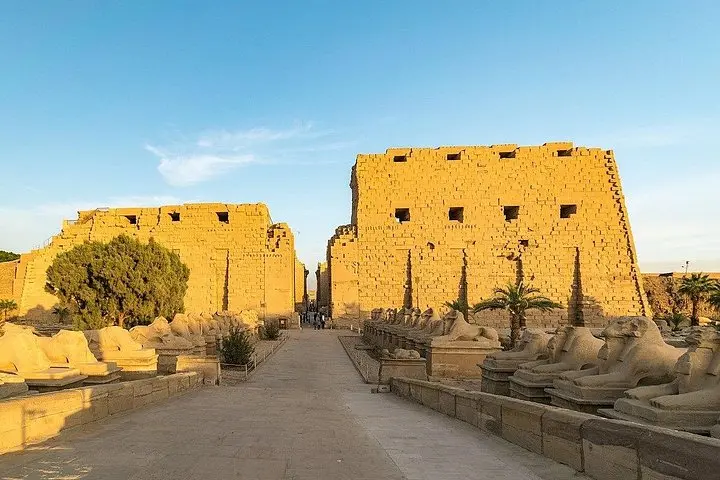
The route traces the high points of Pharaonic Upper Egypt: Karnak and Luxor Temples, the Valley of the Kings, the Colossi of Memnon, Edfu’s Temple of Horus, Kom Ombo’s dual shrines, and Philae’s reassembled island sanctuary. Geology here is simple and stark—limestone and sandstone cliffs cut by the Nile, with archaeological sites set where softer strata allowed tombs and terraces to be carved. Centuries of irrigation and modern dams have reshaped the river; the High Dam at Aswan is a mid-20th-century pivot between ancient and modern Egypt.
Culturally, expect lively markets, Muslim and Coptic landmarks in urban pockets, and local Nile life: fishermen, date groves, and towns where tea is the standard welcome. Practicalities matter: temple sites involve uneven stone, steps, and sun exposure. The package typically includes air travel from Cairo, private transfers, an art-historian guide, meals aboard, and four nights on board the dahabeya.
Plan temple visits in the coolest hours, carry sun protection and a reusable water bottle, and leave room in your itinerary for brief walks ashore—village paths reveal quieter views and local snacks. The pace of the dahabeya is unhurried: bring curiosity, modest clothing for sacred sites, and a camera ready for late-afternoon light that makes the ruins glow.
Most nationalities require a visa for Egypt—check your government’s travel site; many visitors can obtain an e-visa in advance or a visa on arrival depending on nationality.
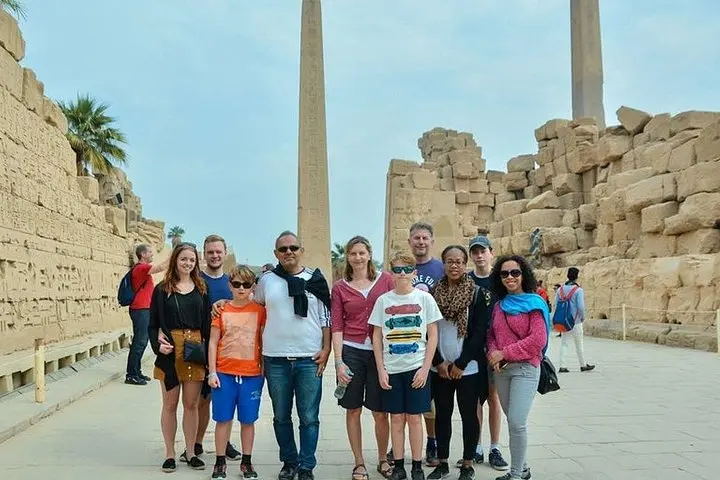
Expect several hours of walking at temples and the Valley of the Kings with stairs and uneven ground; the dahabeya offers restful transit between shore excursions.
This package typically includes the listed internal flights, transfers, and admissions for itinerary sites—confirm specifics at booking and carry cash for optional extras.
Tipping is customary for guides, drivers, and boat crew—budget modestly per person per day and tip discreetly in local currency.
Egypt Best Day Tours operates guided outdoor trips and adventures with an emphasis on safety, stewardship, and memorable experiences.
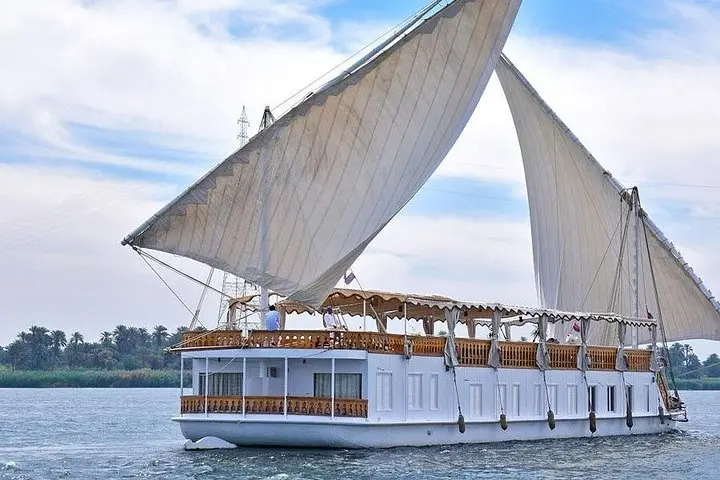
Morning light slides across the Nile as a traditional dahabeya eases away from Luxor’s quay—sails slack, deckboards warm underfoot, and the river seems to push travelers gently toward history. On this private five-day voyage from Luxor to Aswan, the current becomes a guide, carrying passengers past village feluccas, palm-fringed banks, and temples that lean toward the water as if to listen.
Morning light slides across the Nile as a traditional dahabeya eases away from Luxor’s quay—sails slack, deckboards warm underfoot, and the river seems to push travelers gently toward history. On this private five-day voyage from Luxor to Aswan, the current becomes a guide, carrying passengers past village feluccas, palm-fringed banks, and temples that lean toward the water as if to listen.
The route traces the high points of Pharaonic Upper Egypt: Karnak and Luxor Temples, the Valley of the Kings, the Colossi of Memnon, Edfu’s Temple of Horus, Kom Ombo’s dual shrines, and Philae’s reassembled island sanctuary. Geology here is simple and stark—limestone and sandstone cliffs cut by the Nile, with archaeological sites set where softer strata allowed tombs and terraces to be carved. Centuries of irrigation and modern dams have reshaped the river; the High Dam at Aswan is a mid-20th-century pivot between ancient and modern Egypt.
Culturally, expect lively markets, Muslim and Coptic landmarks in urban pockets, and local Nile life: fishermen, date groves, and towns where tea is the standard welcome. Practicalities matter: temple sites involve uneven stone, steps, and sun exposure. The package typically includes air travel from Cairo, private transfers, an art-historian guide, meals aboard, and four nights on board the dahabeya.
Plan temple visits in the coolest hours, carry sun protection and a reusable water bottle, and leave room in your itinerary for brief walks ashore—village paths reveal quieter views and local snacks. The pace of the dahabeya is unhurried: bring curiosity, modest clothing for sacred sites, and a camera ready for late-afternoon light that makes the ruins glow.