THE ADVENTURE COLLECTIVE® · Independent discovery and booking for outdoor travel

Sail the Nile at a human pace aboard a dahabeya on this six-day Luxor–Aswan itinerary that includes Cairo train tickets. Expect dawn visits to Abu Simbel, intimate temple tours, and river-side village scenes paired with comfortable overnight travel.
Sail the Nile at a human pace aboard a dahabeya on this six-day Luxor–Aswan itinerary that includes Cairo train tickets. Expect dawn visits to Abu Simbel, intimate temple tours, and river-side village scenes paired with comfortable overnight travel.
You step onto the river at dawn: the Nile lifts the dahabeya with a slow, steady pulse while village life unfolds along the bank—fishermen pushing skiffs, laundry flapping, and date palms bending in the breeze. The craft is small, the pace intimate, and the shorelines move past like pages in a history book.
Verified experiences and guided adventures in the surrounding area.
Operated by Egypt Best Day Tours · Aswan, Aswan Governorate
You step onto the river at dawn: the Nile lifts the dahabeya with a slow, steady pulse while village life unfolds along the bank—fishermen pushing skiffs, laundry flapping, and date palms bending in the breeze. The craft is small, the pace intimate, and the shorelines move past like pages in a history book.
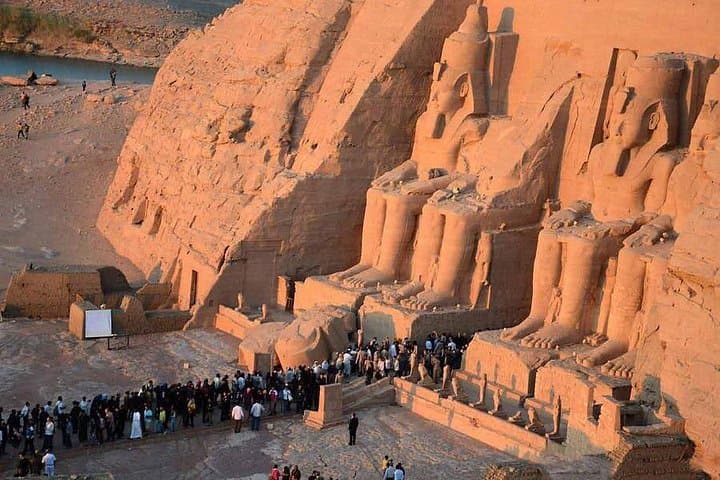
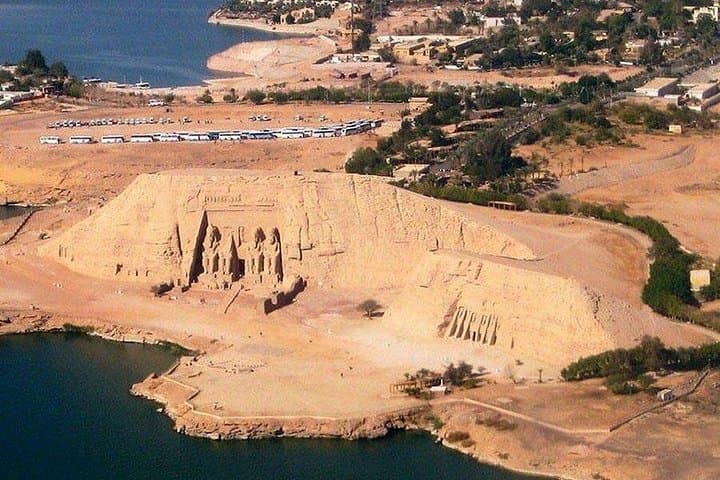
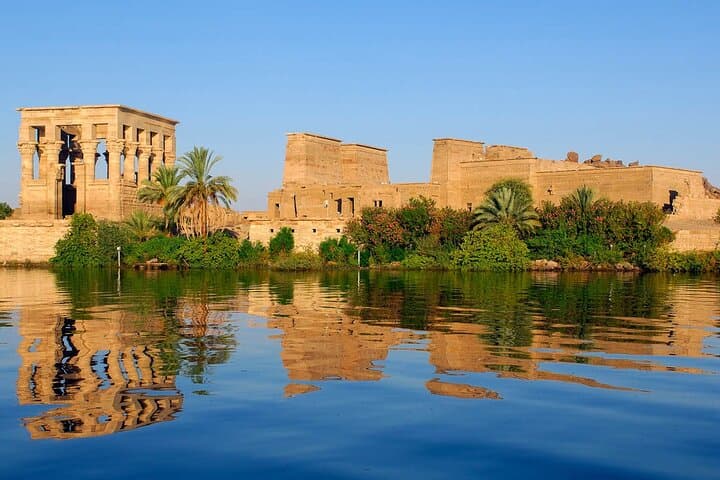
This six-day itinerary threads modern Egypt with its ancient spine. From the relocated island temple of Philae and the modern engineering of the Aswan High Dam to Abu Simbel’s colossal façades and the layered complexes of Karnak and Luxor, the route traces millennia of dynastic power and Nile-dependent settlement. Geologically, the Nile valley carves a fertile ribbon through desert escarpments; the contrast between rocky western cliffs and river-fed cultivation is visible at every stop. Culturally, expect Nubian villages, traditional feluccas, and vendors selling spices and brassware at small quays.
Practically, the trip pairs overnight first‑class train travel with three nights aboard a five‑star dahabeya-style cruiser. Guided temple visits, several meals, and transfers are included. Prepare for uneven ancient stone, early-morning starts (Abu Simbel often at dawn), and sun exposure on deck. Hydration, sun protection, and comfortable footwear make the difference between a pleasant day and a weary one.
Onboard, downtime is for scanning the riverbank with binoculars or reading on shaded decks. Offboard, follow guide instructions at fragile sites: stay on marked paths, keep cameras quiet in sensitive rooms, and tip locally when a service enhances your visit. This is a travel rhythm that favors observation over speed—an archaeological passage that moves as gently as the Nile itself.
Most major temple admissions listed in the itinerary are included; confirm specific sites and any optional extras with the operator before travel.
Train travel is provided in first‑class seated accommodation with an option to upgrade to sleeping berths for an extra fee—expect basic but reliable service.
Meals are included; operators typically accommodate common dietary restrictions if informed at booking—provide details in advance.
English-speaking guides are provided; for private or specialized briefings, request specifics when booking to ensure language needs are met.
Egypt Best Day Tours operates guided outdoor trips and adventures with an emphasis on safety, stewardship, and memorable experiences.

You step onto the river at dawn: the Nile lifts the dahabeya with a slow, steady pulse while village life unfolds along the bank—fishermen pushing skiffs, laundry flapping, and date palms bending in the breeze. The craft is small, the pace intimate, and the shorelines move past like pages in a history book.
You step onto the river at dawn: the Nile lifts the dahabeya with a slow, steady pulse while village life unfolds along the bank—fishermen pushing skiffs, laundry flapping, and date palms bending in the breeze. The craft is small, the pace intimate, and the shorelines move past like pages in a history book.
This six-day itinerary threads modern Egypt with its ancient spine. From the relocated island temple of Philae and the modern engineering of the Aswan High Dam to Abu Simbel’s colossal façades and the layered complexes of Karnak and Luxor, the route traces millennia of dynastic power and Nile-dependent settlement. Geologically, the Nile valley carves a fertile ribbon through desert escarpments; the contrast between rocky western cliffs and river-fed cultivation is visible at every stop. Culturally, expect Nubian villages, traditional feluccas, and vendors selling spices and brassware at small quays.
Practically, the trip pairs overnight first‑class train travel with three nights aboard a five‑star dahabeya-style cruiser. Guided temple visits, several meals, and transfers are included. Prepare for uneven ancient stone, early-morning starts (Abu Simbel often at dawn), and sun exposure on deck. Hydration, sun protection, and comfortable footwear make the difference between a pleasant day and a weary one.
Onboard, downtime is for scanning the riverbank with binoculars or reading on shaded decks. Offboard, follow guide instructions at fragile sites: stay on marked paths, keep cameras quiet in sensitive rooms, and tip locally when a service enhances your visit. This is a travel rhythm that favors observation over speed—an archaeological passage that moves as gently as the Nile itself.