THE ADVENTURE COLLECTIVE® · Independent discovery and booking for outdoor travel

Sail the Nile at a measured pace aboard a traditional Dahabiya from Aswan to Luxor. This four-day cruise links Kom Ombo, Edfu, El-Kab and Esna with expert Egyptologist guides, relaxed onboard life, and close-up views of Nile-side antiquities.
Sail the Nile at a measured pace aboard a traditional Dahabiya from Aswan to Luxor. This four-day cruise links Kom Ombo, Edfu, El-Kab and Esna with expert Egyptologist guides, relaxed onboard life, and close-up views of Nile-side antiquities.
The Nile nudges the Dahabiya's wooden hull as dawn draws a thin, gold line across the river—this is the tempo of a four-day sail from Aswan to Luxor. On deck, the breeze carries dust from sandstone cliffs and the draft of a civilization that built temples into stone; the boat moves at the pace of observation, not haste.
Verified experiences and guided adventures in the surrounding area.
Operated by Luxor Magic Tours · Aswan, Aswan Governorate
The Nile nudges the Dahabiya's wooden hull as dawn draws a thin, gold line across the river—this is the tempo of a four-day sail from Aswan to Luxor. On deck, the breeze carries dust from sandstone cliffs and the draft of a civilization that built temples into stone; the boat moves at the pace of observation, not haste.
This route threads Pharaonic, Ptolemaic and Roman moments: Kom Ombo's twin shrines to Sobek and Horus, Edfu's imposing hypostyle halls, the rock-cut tombs at El-Kab and the quarries of Gebel el-Silsila. Geologically the banks shift from Nile silt flats to exposed Nubian sandstone, and culturally you'll see small riverside settlements where felucca sails and modern motor launches share the current.
Onboard, a Dahabiya emphasizes quiet: fewer cabins, open sundecks, and an Egyptologist to unpack hieroglyphs and local lore. Expect gentle swims or shoreline strolls where permitted, evenings under a wide, starlit sky, and meals that balance local flavors with predictable comforts.
Practicalities: bring sun protection and a refillable water bottle, and pack light, modest clothing for temple visits where shoulders and knees should be covered. Mobility is generally easy but involves boarding ladders and short walks on uneven surfaces. Plan for early starts to avoid peak heat, keep small bills for tips and market purchases, and follow guide instructions at archaeological sites to respect fragile monuments.
A Dahabiya cruise is as much about slowing down as it is about seeing—history drifts by with the current, and the river keeps time.
Most meals (breakfast, lunch, dinner) and the entrance fees listed in the itinerary are included; check your booking for specifics and any optional extras.
The supplier lists wheelchair-accessible options; however boarding the Dahabiya and visiting some temple sites may require assistance—confirm needs prior to booking.
Transfers are typically provided to Luxor hotels or the airport as listed in the itinerary; confirm your preferred drop-off when booking.
Yes—expect waterbirds along the banks and occasional sightings of Nile monitor lizards; large crocodiles are rare along this section but native to the river historically.
Luxor Magic Tours operates guided outdoor trips and adventures with an emphasis on safety, stewardship, and memorable experiences.
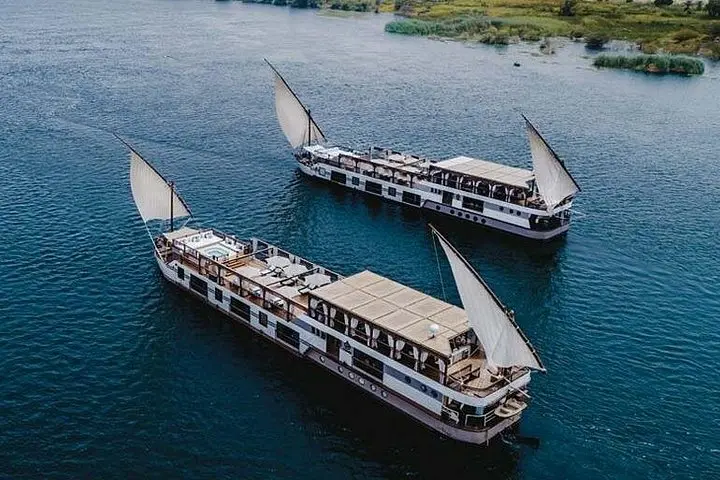
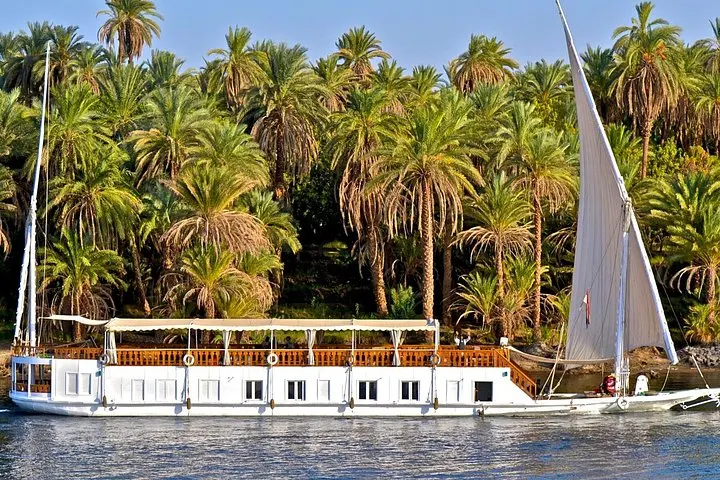
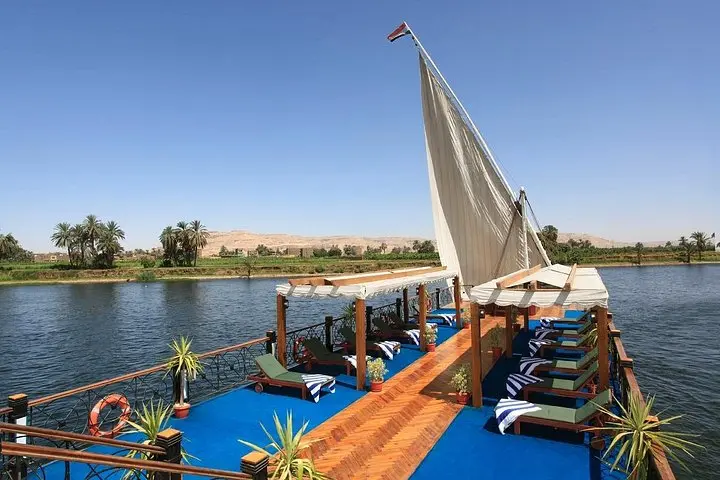
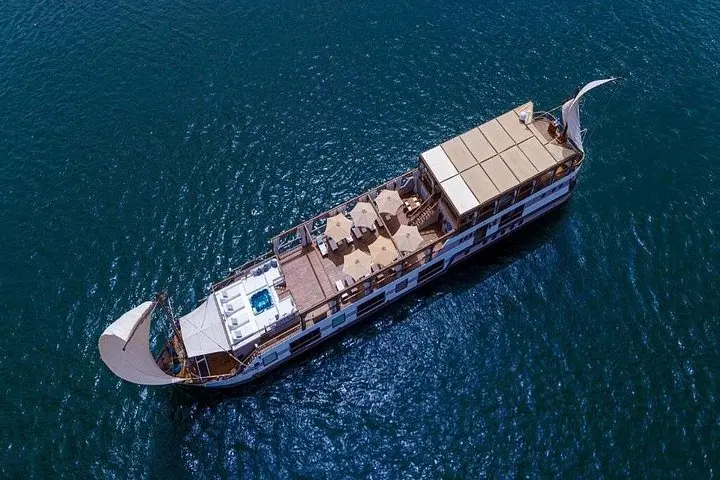
The Nile nudges the Dahabiya's wooden hull as dawn draws a thin, gold line across the river—this is the tempo of a four-day sail from Aswan to Luxor. On deck, the breeze carries dust from sandstone cliffs and the draft of a civilization that built temples into stone; the boat moves at the pace of observation, not haste.
The Nile nudges the Dahabiya's wooden hull as dawn draws a thin, gold line across the river—this is the tempo of a four-day sail from Aswan to Luxor. On deck, the breeze carries dust from sandstone cliffs and the draft of a civilization that built temples into stone; the boat moves at the pace of observation, not haste.
This route threads Pharaonic, Ptolemaic and Roman moments: Kom Ombo's twin shrines to Sobek and Horus, Edfu's imposing hypostyle halls, the rock-cut tombs at El-Kab and the quarries of Gebel el-Silsila. Geologically the banks shift from Nile silt flats to exposed Nubian sandstone, and culturally you'll see small riverside settlements where felucca sails and modern motor launches share the current.
Onboard, a Dahabiya emphasizes quiet: fewer cabins, open sundecks, and an Egyptologist to unpack hieroglyphs and local lore. Expect gentle swims or shoreline strolls where permitted, evenings under a wide, starlit sky, and meals that balance local flavors with predictable comforts.
Practicalities: bring sun protection and a refillable water bottle, and pack light, modest clothing for temple visits where shoulders and knees should be covered. Mobility is generally easy but involves boarding ladders and short walks on uneven surfaces. Plan for early starts to avoid peak heat, keep small bills for tips and market purchases, and follow guide instructions at archaeological sites to respect fragile monuments.
A Dahabiya cruise is as much about slowing down as it is about seeing—history drifts by with the current, and the river keeps time.