THE ADVENTURE COLLECTIVE® · Independent discovery and booking for outdoor travel

Sail the Nile the old way aboard a Dahabiya: three unhurried days from Aswan to Luxor visiting Kom Ombo, Edfu and Luxor’s west bank. Expect river vistas, archaeological highlights, and a local lunch ashore.
Sail the Nile the old way aboard a Dahabiya: three unhurried days from Aswan to Luxor visiting Kom Ombo, Edfu and Luxor’s west bank. Expect river vistas, archaeological highlights, and a local lunch ashore.
The Dahabiya slips away from Aswan before dawn, sails catching a gentle wind as the city’s sandstone cliffs recede and the Nile starts to take control of the day.
Verified experiences and guided adventures in the surrounding area.
Operated by Special trips · Aswan, Aswan Governorate
The Dahabiya slips away from Aswan before dawn, sails catching a gentle wind as the city’s sandstone cliffs recede and the Nile starts to take control of the day.
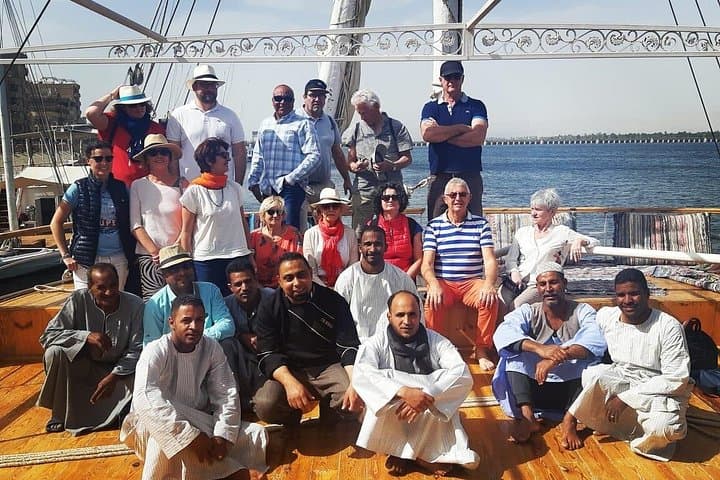
On deck the river breathes like an old storyteller — islands bobbing by, farmers tending narrow fields, children daring the current from small boats. Over three days the slow, deliberate pace of a traditional Dahabiya turns transit into the point of the trip: Kom Ombo’s twin temples rise by the water, Edfu’s massive pylon looms with Greco-Roman inscriptions, and Gebel Silsileh’s quarry faces tell of stones cut for pharaonic monuments.
Luxor’s west bank delivers a different tempo — the Valley of the Kings’ carved tombs and Hatshepsut’s terraced mortuary temple stand as human voices in a desert chorus. The cruise includes a local lunch in an Egyptian home, giving a practical window into contemporary river life.
History here is tangible: temples built, reused and inscribed across millennia; geology is visible in Nile silt and the sandstone that stonemasons quarried at Gebel Silsileh. Culture is in the galabeya of captains and the tea poured on deck.
Practical guidance: bring sun protection, lightweight layers and sturdy walking shoes for short archaeological climbs. Expect gentle boarding and daily itineraries that may shift with sailing conditions. Meals, transfers between Aswan and Luxor, and English-speaking Egyptology guides are typically included, but temple entry fees and optional extras (hot-air balloon, Abu Simbel) are often additional.
Travelers should pace themselves to enjoy the river’s rhythm — watch the light change on the cliffs, keep water close, and let the Nile set the tempo.
Most cruise packages include guided visits but not all temple entry tickets or optional attractions; confirm inclusions before booking.
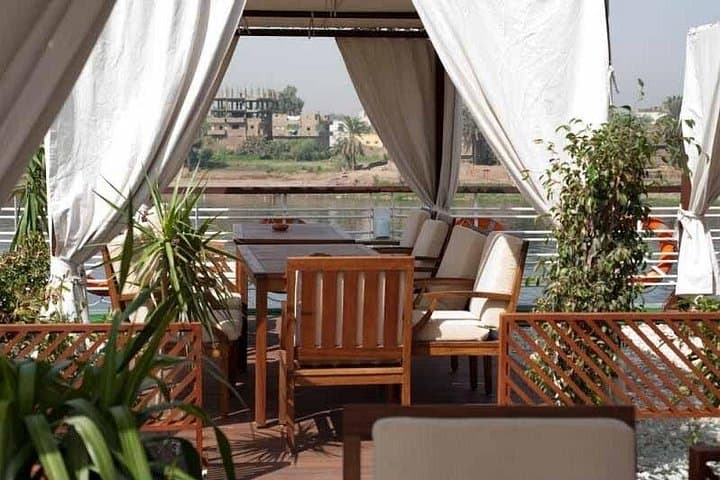
Dahabiyas offer basic, traditionally styled cabins and communal decks—expect modest comfort, private or shared cabins depending on booking.
Local meals are provided and operators generally accommodate dietary requests with advance notice—note restrictions when booking.
Yes; the itinerary is gentle and wheelchair/stroller access is often possible, but expect some limited mobility for temple sites and boarding.
Special trips operates guided outdoor trips and adventures with an emphasis on safety, stewardship, and memorable experiences.


The Dahabiya slips away from Aswan before dawn, sails catching a gentle wind as the city’s sandstone cliffs recede and the Nile starts to take control of the day.
The Dahabiya slips away from Aswan before dawn, sails catching a gentle wind as the city’s sandstone cliffs recede and the Nile starts to take control of the day.
On deck the river breathes like an old storyteller — islands bobbing by, farmers tending narrow fields, children daring the current from small boats. Over three days the slow, deliberate pace of a traditional Dahabiya turns transit into the point of the trip: Kom Ombo’s twin temples rise by the water, Edfu’s massive pylon looms with Greco-Roman inscriptions, and Gebel Silsileh’s quarry faces tell of stones cut for pharaonic monuments.
Luxor’s west bank delivers a different tempo — the Valley of the Kings’ carved tombs and Hatshepsut’s terraced mortuary temple stand as human voices in a desert chorus. The cruise includes a local lunch in an Egyptian home, giving a practical window into contemporary river life.
History here is tangible: temples built, reused and inscribed across millennia; geology is visible in Nile silt and the sandstone that stonemasons quarried at Gebel Silsileh. Culture is in the galabeya of captains and the tea poured on deck.
Practical guidance: bring sun protection, lightweight layers and sturdy walking shoes for short archaeological climbs. Expect gentle boarding and daily itineraries that may shift with sailing conditions. Meals, transfers between Aswan and Luxor, and English-speaking Egyptology guides are typically included, but temple entry fees and optional extras (hot-air balloon, Abu Simbel) are often additional.
Travelers should pace themselves to enjoy the river’s rhythm — watch the light change on the cliffs, keep water close, and let the Nile set the tempo.