THE ADVENTURE COLLECTIVE® · Independent discovery and booking for outdoor travel

Glide between two of Egypt’s great ancient cities on a private dahabiya: Philae, Abu Simbel, Kom Ombo, Edfu, and Luxor in a compact 3-night itinerary. Expect comfortable cabins, expert guides, and long afternoons watching the Nile.
Glide between two of Egypt’s great ancient cities on a private dahabiya: Philae, Abu Simbel, Kom Ombo, Edfu, and Luxor in a compact 3-night itinerary. Expect comfortable cabins, expert guides, and long afternoons watching the Nile.
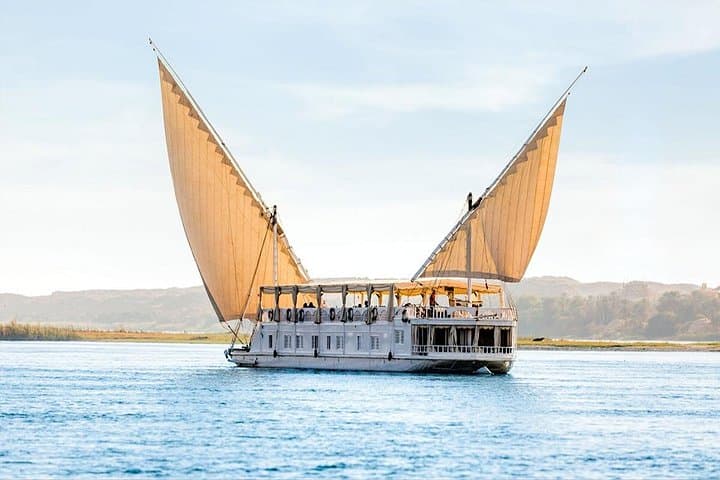
You step aboard a dahabiya as the Nile flattens golden under late-afternoon light. The boat moves with an old-world patience; the current seems to dare you to slow down. Palm-lined riverbanks slide past, fishermen cast lines that glint, and the quiet of the deck is punctuated by the call to prayer from a distant minaret.
Verified experiences and guided adventures in the surrounding area.
Operated by Egypt Best Day Tours · Aswan, Aswan Governorate
You step aboard a dahabiya as the Nile flattens golden under late-afternoon light. The boat moves with an old-world patience; the current seems to dare you to slow down. Palm-lined riverbanks slide past, fishermen cast lines that glint, and the quiet of the deck is punctuated by the call to prayer from a distant minaret.
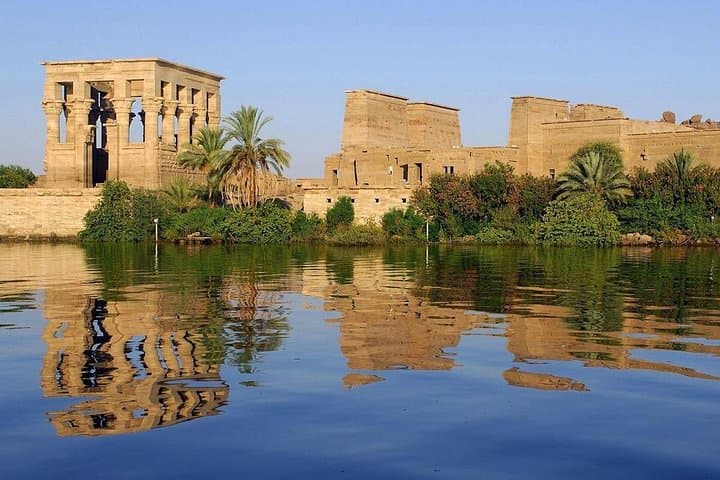
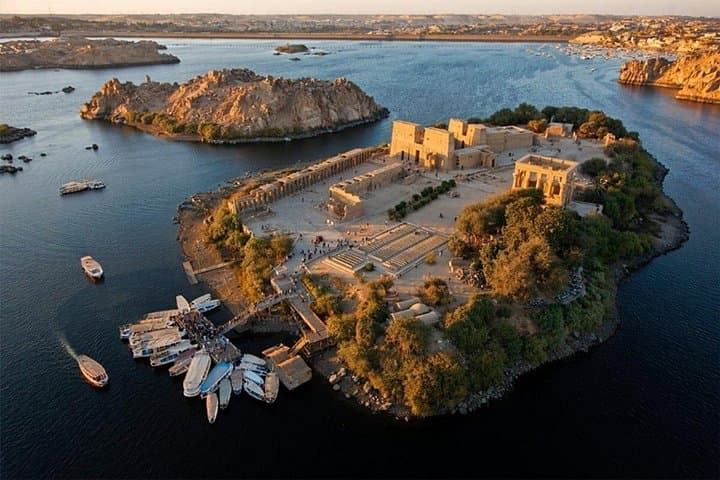
This route follows the river that made pharaonic Egypt possible. From Philae’s island temple — relocated stone by stone after the High Dam reshaped the landscape — to the colossal façades of Abu Simbel carved into sandstone cliffs by Ramesses II, the trip is a condensed survey of New Kingdom power and Nubian heritage. Geologically, you’ll notice the transition from granite outcrops around Aswan to the limestone and sandstone the Theban temples were cut from. Cultural notes: local Nubian crafts, riverside villages, and the centuries-old tradition of river travel give context to each stop.
Practically, expect comfortable 5-star dahabiya cabins, full-board meals, and private Egyptologist-guided excursions to Philae, Kom Ombo, Edfu, and Luxor’s Valley of the Kings. Days mix short hikes, temple steps, and a horse-carriage ride in Edfu; heat management is the main challenge. Carry layered sun protection, a refillable water bottle, and conservative clothing for sacred sites. Transfers from Aswan and a flight from Luxor are usually included; confirm baggage allowances. Travel at a steady pace, plan temple visits for early morning when temperatures and crowds are lower, and leave room in your schedule to simply watch the Nile push forward.
Entrance fees are typically included in the tour price or arranged by the operator—confirm when booking and have local currency for any extra fees.
Most visits involve climbing steps and walking on uneven stone; no technical fitness required but basic mobility is needed.
Full-board meals (breakfast, lunch, dinner) are provided; check with the operator about included beverages and special dietary needs.
Most nationalities require a visa for Egypt—obtain one in advance or on arrival depending on nationality; carry passport copies and confirm with your embassy.
Egypt Best Day Tours operates guided outdoor trips and adventures with an emphasis on safety, stewardship, and memorable experiences.

You step aboard a dahabiya as the Nile flattens golden under late-afternoon light. The boat moves with an old-world patience; the current seems to dare you to slow down. Palm-lined riverbanks slide past, fishermen cast lines that glint, and the quiet of the deck is punctuated by the call to prayer from a distant minaret.
You step aboard a dahabiya as the Nile flattens golden under late-afternoon light. The boat moves with an old-world patience; the current seems to dare you to slow down. Palm-lined riverbanks slide past, fishermen cast lines that glint, and the quiet of the deck is punctuated by the call to prayer from a distant minaret.
This route follows the river that made pharaonic Egypt possible. From Philae’s island temple — relocated stone by stone after the High Dam reshaped the landscape — to the colossal façades of Abu Simbel carved into sandstone cliffs by Ramesses II, the trip is a condensed survey of New Kingdom power and Nubian heritage. Geologically, you’ll notice the transition from granite outcrops around Aswan to the limestone and sandstone the Theban temples were cut from. Cultural notes: local Nubian crafts, riverside villages, and the centuries-old tradition of river travel give context to each stop.
Practically, expect comfortable 5-star dahabiya cabins, full-board meals, and private Egyptologist-guided excursions to Philae, Kom Ombo, Edfu, and Luxor’s Valley of the Kings. Days mix short hikes, temple steps, and a horse-carriage ride in Edfu; heat management is the main challenge. Carry layered sun protection, a refillable water bottle, and conservative clothing for sacred sites. Transfers from Aswan and a flight from Luxor are usually included; confirm baggage allowances. Travel at a steady pace, plan temple visits for early morning when temperatures and crowds are lower, and leave room in your schedule to simply watch the Nile push forward.