THE ADVENTURE COLLECTIVE® · Independent discovery and booking for outdoor travel

Glide between Aswan and Luxor aboard a traditional dahabiya over three nights, visiting Philae, Kom Ombo, Edfu and the Valley of the Kings with an Egyptologist guide. This cruise pairs slow-river luxury with guided archaeological stops and authentic local experiences.
Glide between Aswan and Luxor aboard a traditional dahabiya over three nights, visiting Philae, Kom Ombo, Edfu and the Valley of the Kings with an Egyptologist guide. This cruise pairs slow-river luxury with guided archaeological stops and authentic local experiences.
You step onto a narrow-decked dahabiya as the Nile slides past, reed-fringed islands and sun-baked riverbanks unfolding like a slow, living map. The sail is quiet; the crew moves with practiced ease as the river carries you downstream toward temples hewn of limestone and stories written in stone.
Verified experiences and guided adventures in the surrounding area.
Operated by Egotel Holidays · Aswan, Aswan Governorate
You step onto a narrow-decked dahabiya as the Nile slides past, reed-fringed islands and sun-baked riverbanks unfolding like a slow, living map. The sail is quiet; the crew moves with practiced ease as the river carries you downstream toward temples hewn of limestone and stories written in stone.
This three-night itinerary threads modern comfort — climate-controlled transfers, full board on a traditional-style sailboat and an Egyptologist guide — through Egypt’s layers of history. From Philae’s island temple relocated to preserve it against the High Dam’s waters, to Kom Ombo’s twin sanctuaries and Edfu’s imposing Greco‑Roman pylons, each stop explains a different chapter of Nile civilization. Gebel el Silsila exposes the geology that fed pharaonic projects: compact sandstone and worked quarries with cut rock temples and ancient inscriptions.
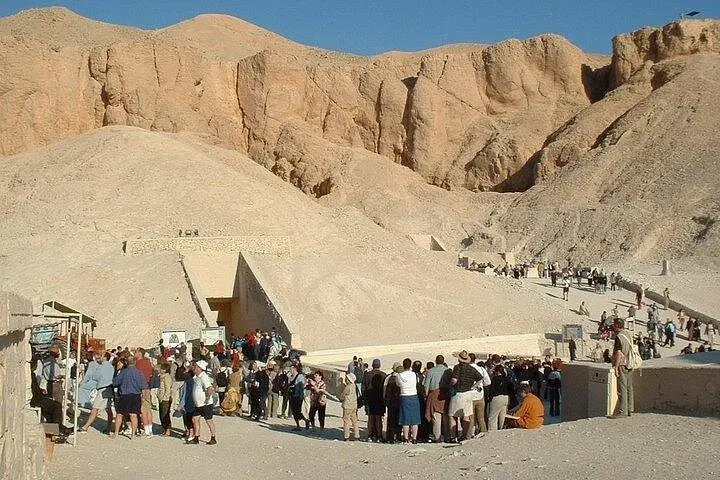
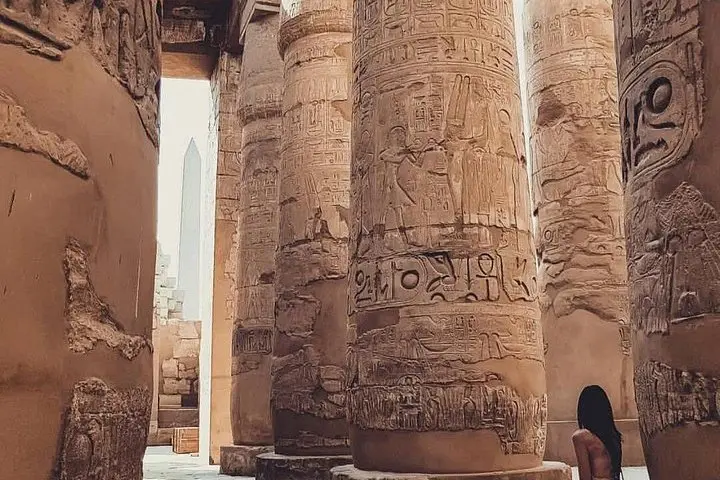
On the final day, the West Bank’s Valley of the Kings and Karnak’s vast avenue of columns put scale to the past; a home-cooked Egyptian lunch provides a cultural counterpoint to monumental sites. Expect guided walks on uneven, sandy surfaces and short drives between docks and attractions; admission fees are commonly extra.
Practical edge: travel light with a soft-sided bag, wear stiff-soled sandals or low hikers for temple steps, and plan excursions for early morning or late afternoon to avoid peak heat. Carry a refillable water bottle, sun protection, and a small daypack for cameras and sunscreen. The pace is relaxed — the reward is time on the river and uninterrupted views of the landscape that made ancient Egypt possible.
No — most temple admission fees (Valley of the Kings, Karnak, Edfu, Kom Ombo, Philae) are typically extra and paid on site or arranged by the guide.
The cruise itself is relaxed, but shore excursions involve walking on uneven ground, stairs and short hikes; a basic level of mobility is required.
The package includes climate-controlled transfers and full board on the dahabiya with breakfast, lunch and dinner served on board; soft drinks may be included as specified.
Infants are allowed but may be required to sit on an adult’s lap during transfers; check safety and sleeping arrangements in advance for families.
Egotel Holidays operates guided outdoor trips and adventures with an emphasis on safety, stewardship, and memorable experiences.
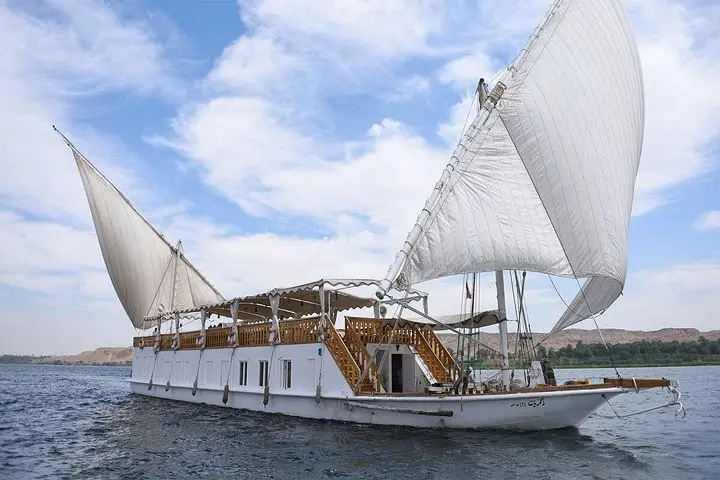
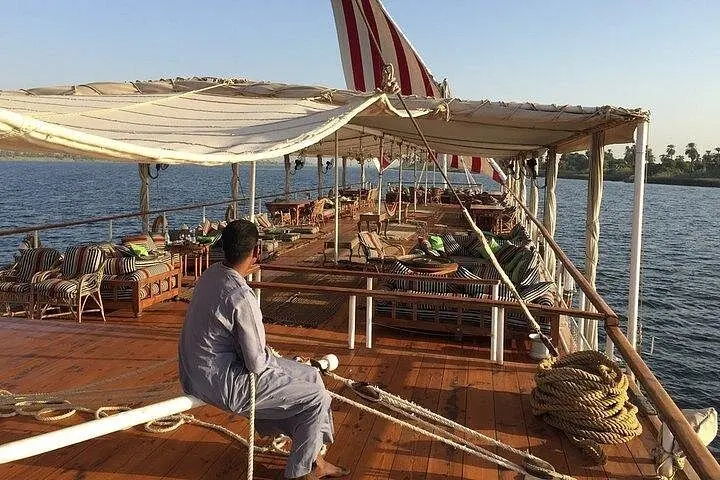
You step onto a narrow-decked dahabiya as the Nile slides past, reed-fringed islands and sun-baked riverbanks unfolding like a slow, living map. The sail is quiet; the crew moves with practiced ease as the river carries you downstream toward temples hewn of limestone and stories written in stone.
You step onto a narrow-decked dahabiya as the Nile slides past, reed-fringed islands and sun-baked riverbanks unfolding like a slow, living map. The sail is quiet; the crew moves with practiced ease as the river carries you downstream toward temples hewn of limestone and stories written in stone.
This three-night itinerary threads modern comfort — climate-controlled transfers, full board on a traditional-style sailboat and an Egyptologist guide — through Egypt’s layers of history. From Philae’s island temple relocated to preserve it against the High Dam’s waters, to Kom Ombo’s twin sanctuaries and Edfu’s imposing Greco‑Roman pylons, each stop explains a different chapter of Nile civilization. Gebel el Silsila exposes the geology that fed pharaonic projects: compact sandstone and worked quarries with cut rock temples and ancient inscriptions.
On the final day, the West Bank’s Valley of the Kings and Karnak’s vast avenue of columns put scale to the past; a home-cooked Egyptian lunch provides a cultural counterpoint to monumental sites. Expect guided walks on uneven, sandy surfaces and short drives between docks and attractions; admission fees are commonly extra.
Practical edge: travel light with a soft-sided bag, wear stiff-soled sandals or low hikers for temple steps, and plan excursions for early morning or late afternoon to avoid peak heat. Carry a refillable water bottle, sun protection, and a small daypack for cameras and sunscreen. The pace is relaxed — the reward is time on the river and uninterrupted views of the landscape that made ancient Egypt possible.