THE ADVENTURE COLLECTIVE® · Independent discovery and booking for outdoor travel

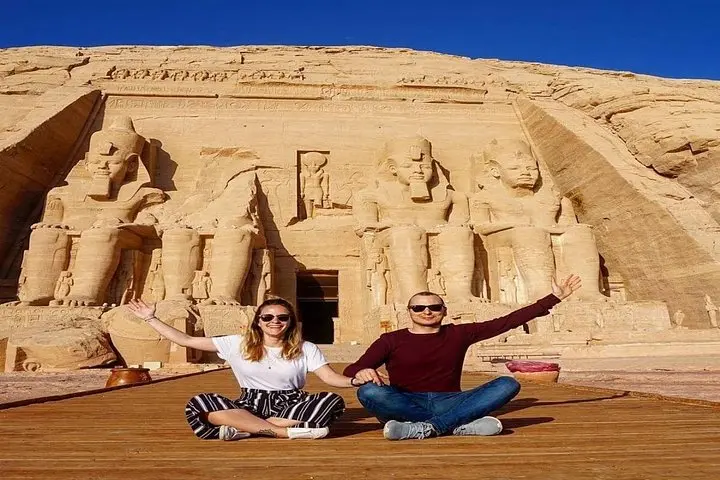
Sail a traditional dahabiya from Luxor to Aswan over five days, visiting Karnak, Valley of the Kings, Edfu, Kom Ombo, Philae and Abu Simbel. This slow-paced river cruise pairs comfortable cabins with guided temple excursions and riverside culture.
Sail a traditional dahabiya from Luxor to Aswan over five days, visiting Karnak, Valley of the Kings, Edfu, Kom Ombo, Philae and Abu Simbel. This slow-paced river cruise pairs comfortable cabins with guided temple excursions and riverside culture.
Dawn breaks over the Nile and the dahabiya stirs—wooden rails creaking as the current slips the boat away from Luxor's quay. On deck, the river puts on a slow, changing show: farmers tending narrow green strips, low cliffs giving way to islands where temple columns rise like punctuation marks in the landscape.
Verified experiences and guided adventures in the surrounding area.
Operated by Egypt Best Day Tours · Luxor, Luxor Governorate
Dawn breaks over the Nile and the dahabiya stirs—wooden rails creaking as the current slips the boat away from Luxor's quay. On deck, the river puts on a slow, changing show: farmers tending narrow green strips, low cliffs giving way to islands where temple columns rise like punctuation marks in the landscape.
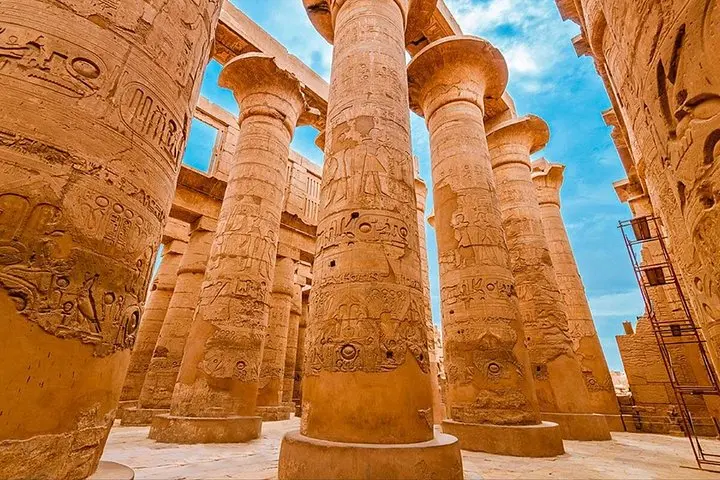
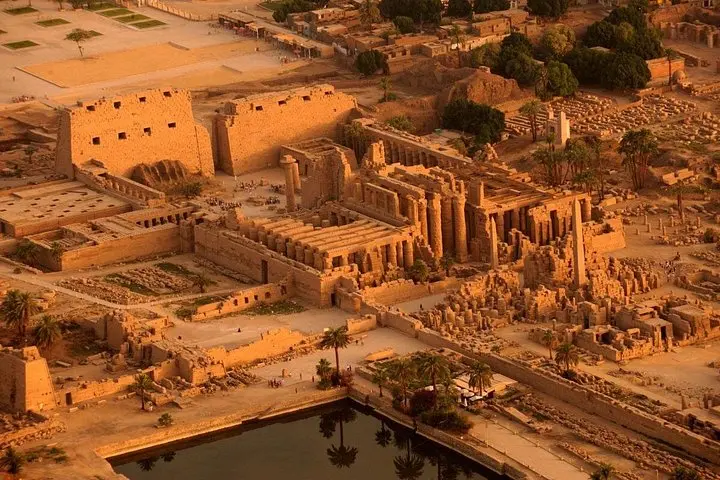
This five-day voyage follows a route walked and sailed by pharaohs for millennia. Start in Luxor—gateway to Karnak, Luxor Temple and the Valley of the Kings—then glide past Esna, visit Edfu's Temple of Horus, examine Kom Ombo's paired sanctuaries, and finish in Aswan with Philae and the option to visit Abu Simbel. Geologically the valley is a narrow floodplain cut between desert escarpments; Aswan’s granite outcrops supplied stone for obelisks and statues. Culturally, the Nile still shapes rhythms of fishing, date cultivation and small riverside markets where local life feels immediate.
Practical edge: expect roughly 200–250 km of river travel spread across four nights, with no significant elevation gain—terrain ashore is sandy and uneven. Early mornings offer the coolest light for temple visits; mid-day is best spent on shaded decks. Bring sturdy walking shoes for uneven archaeological sites, sun protection for exposed shorelines, and a light jacket for cooler nights. Wifi and comforts vary by dahabiya—confirm cabin amenities and transfers in advance. Pace is unhurried: the current nudges you forward, temples pull you ashore, and the Nile dares you to slow down and look closely.
Most operators include hotel pickup in Luxor; confirm your pickup point and arrival time when you book.
This itinerary notes guided visits but often excludes some national monument entrance fees—verify with the operator before travel.
Yes—this is low-impact travel with gentle boarding, but shore walking can be uneven; notify operators of mobility needs.
Yes—Abu Simbel is typically a long day trip by road from Aswan; expect an early morning transfer and a 4–5 hour round trip drive.
Egypt Best Day Tours operates guided outdoor trips and adventures with an emphasis on safety, stewardship, and memorable experiences.
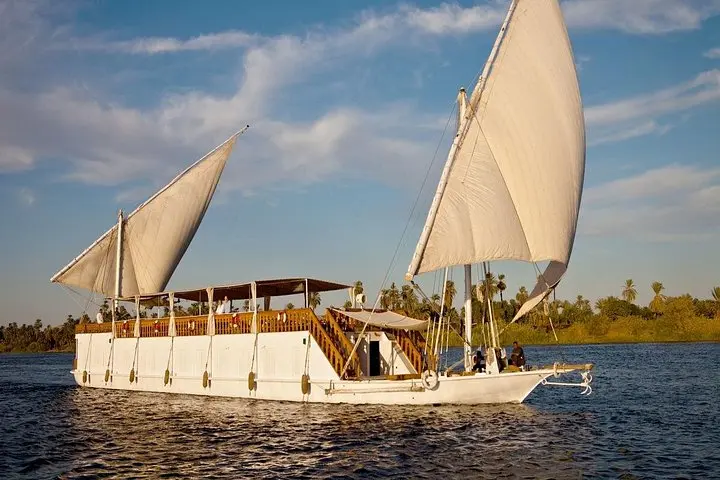
Dawn breaks over the Nile and the dahabiya stirs—wooden rails creaking as the current slips the boat away from Luxor's quay. On deck, the river puts on a slow, changing show: farmers tending narrow green strips, low cliffs giving way to islands where temple columns rise like punctuation marks in the landscape.
Dawn breaks over the Nile and the dahabiya stirs—wooden rails creaking as the current slips the boat away from Luxor's quay. On deck, the river puts on a slow, changing show: farmers tending narrow green strips, low cliffs giving way to islands where temple columns rise like punctuation marks in the landscape.
This five-day voyage follows a route walked and sailed by pharaohs for millennia. Start in Luxor—gateway to Karnak, Luxor Temple and the Valley of the Kings—then glide past Esna, visit Edfu's Temple of Horus, examine Kom Ombo's paired sanctuaries, and finish in Aswan with Philae and the option to visit Abu Simbel. Geologically the valley is a narrow floodplain cut between desert escarpments; Aswan’s granite outcrops supplied stone for obelisks and statues. Culturally, the Nile still shapes rhythms of fishing, date cultivation and small riverside markets where local life feels immediate.
Practical edge: expect roughly 200–250 km of river travel spread across four nights, with no significant elevation gain—terrain ashore is sandy and uneven. Early mornings offer the coolest light for temple visits; mid-day is best spent on shaded decks. Bring sturdy walking shoes for uneven archaeological sites, sun protection for exposed shorelines, and a light jacket for cooler nights. Wifi and comforts vary by dahabiya—confirm cabin amenities and transfers in advance. Pace is unhurried: the current nudges you forward, temples pull you ashore, and the Nile dares you to slow down and look closely.