THE ADVENTURE COLLECTIVE® · Independent discovery and booking for outdoor travel

Glide from Luxor to Aswan aboard a traditional dahabiya, visiting Valley of the Kings, Edfu, Kom Ombo and Philae with private guided excursions. Ideal for travelers who want deep archaeological context and relaxed river travel.
Glide from Luxor to Aswan aboard a traditional dahabiya, visiting Valley of the Kings, Edfu, Kom Ombo and Philae with private guided excursions. Ideal for travelers who want deep archaeological context and relaxed river travel.
You step aboard a low‑slung dahabiya at Luxor as the Nile widens and the city’s heat softens into river breeze. The sail snaps once, then settles; palm-lined banks slow past like a moving map of civilization. Small villages press to the water’s edge, cattle paw at mud, and temple pylons rise from the flat horizon—ancient stone meeting a modern, gentle voyage.
Verified experiences and guided adventures in the surrounding area.
Operated by Bastet Travel · Luxor, Luxor Governorate
You step aboard a low‑slung dahabiya at Luxor as the Nile widens and the city’s heat softens into river breeze. The sail snaps once, then settles; palm-lined banks slow past like a moving map of civilization. Small villages press to the water’s edge, cattle paw at mud, and temple pylons rise from the flat horizon—ancient stone meeting a modern, gentle voyage.
This five‑day route follows the artery of Upper Egypt: Luxor’s funerary landscape, the Ptolemaic sanctuaries of Edfu and Kom Ombo, and the granite quarries and islands of Aswan. Geology here is plain in the stone—limestone and sandstone sculpted into tombs, and hard Aswan granite hewn for obelisks. Culturally, the Nile has been both highway and lifeline for millennia; local Nubian communities and modern farmers still orient their days to its flow.
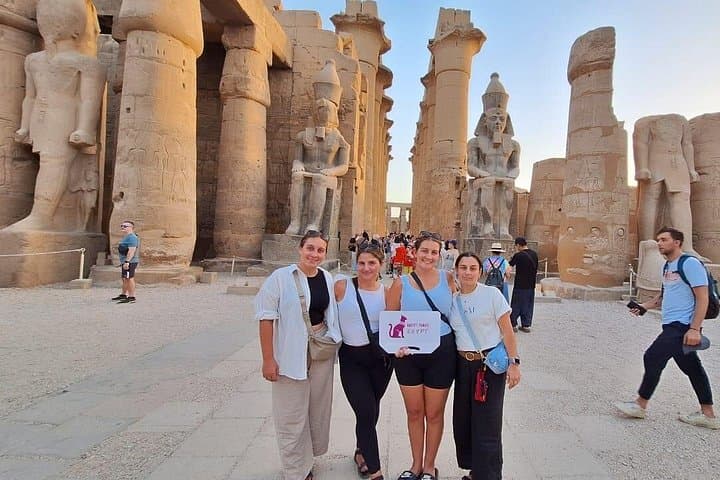
Practically, expect mostly low‑impact travel with daily shore excursions. Temple complexes involve uneven stone floors, steps, and heat during midday; plan morning or late‑afternoon visits. Bring sun protection, a reusable water bottle and lightweight, closed shoes for dusty approaches. Guided commentary from an Egyptologist will anchor each stop with context—chronologies, iconography, and why reliefs were carved where they are.
Respect photography rules in tombs and follow site staff instructions; these places are fragile. Time your visit outside peak summer when heat and crowds peak, and budget small local cash for porters and tips. A dahabiya trip is slow travel: the river nudges you forward, and the monuments dare you to pay attention.
Pickups are arranged from Luxor; the tour includes transfers by air‑conditioned vehicle between embarkation points and sites as listed in the itinerary.
Some sites have uneven surfaces and steps; transport and some sites are wheelchair accessible but individual access varies—check specific needs before booking.
Yes, the trip includes entrance fees to the sights listed between Luxor and Aswan as part of the full‑board package.
An Egyptologist guide accompanies the journey to provide archaeological and historical context at major sites and onshore excursions.
Bastet Travel operates guided outdoor trips and adventures with an emphasis on safety, stewardship, and memorable experiences.
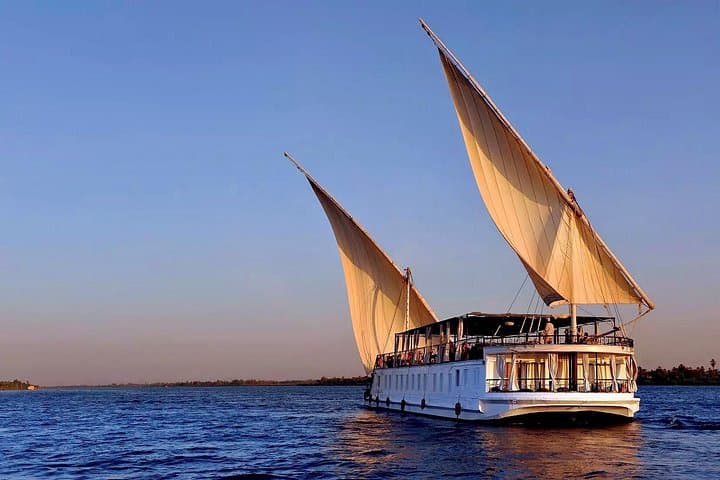


You step aboard a low‑slung dahabiya at Luxor as the Nile widens and the city’s heat softens into river breeze. The sail snaps once, then settles; palm-lined banks slow past like a moving map of civilization. Small villages press to the water’s edge, cattle paw at mud, and temple pylons rise from the flat horizon—ancient stone meeting a modern, gentle voyage.
You step aboard a low‑slung dahabiya at Luxor as the Nile widens and the city’s heat softens into river breeze. The sail snaps once, then settles; palm-lined banks slow past like a moving map of civilization. Small villages press to the water’s edge, cattle paw at mud, and temple pylons rise from the flat horizon—ancient stone meeting a modern, gentle voyage.
This five‑day route follows the artery of Upper Egypt: Luxor’s funerary landscape, the Ptolemaic sanctuaries of Edfu and Kom Ombo, and the granite quarries and islands of Aswan. Geology here is plain in the stone—limestone and sandstone sculpted into tombs, and hard Aswan granite hewn for obelisks. Culturally, the Nile has been both highway and lifeline for millennia; local Nubian communities and modern farmers still orient their days to its flow.
Practically, expect mostly low‑impact travel with daily shore excursions. Temple complexes involve uneven stone floors, steps, and heat during midday; plan morning or late‑afternoon visits. Bring sun protection, a reusable water bottle and lightweight, closed shoes for dusty approaches. Guided commentary from an Egyptologist will anchor each stop with context—chronologies, iconography, and why reliefs were carved where they are.
Respect photography rules in tombs and follow site staff instructions; these places are fragile. Time your visit outside peak summer when heat and crowds peak, and budget small local cash for porters and tips. A dahabiya trip is slow travel: the river nudges you forward, and the monuments dare you to pay attention.