THE ADVENTURE COLLECTIVE® · Independent discovery and booking for outdoor travel

Sail the Nile aboard a traditional dahabiya on an 8‑day loop from Luxor, visiting Edfu, Kom Ombo, Philae and the Valley of the Kings. Expect slow sailing, hands‑on Egyptology tours, warm Nile swims and evenings of local music.
Sail the Nile aboard a traditional dahabiya on an 8‑day loop from Luxor, visiting Edfu, Kom Ombo, Philae and the Valley of the Kings. Expect slow sailing, hands‑on Egyptology tours, warm Nile swims and evenings of local music.
You step onto the low, wooden deck of a dahabiya as the first light softens the Nile. The river moves like a slow conversation: reed beds whisper, fishing boats nod at your wake, and distant minarets puncture the dawn. Onboard life is unhurried — sun deck for long vistas, shaded lounges for tea, and the occasional call to prayer floating across the water.
Verified experiences and guided adventures in the surrounding area.
Operated by Cupid EgypTravel · Luxor, Luxor
You step onto the low, wooden deck of a dahabiya as the first light softens the Nile. The river moves like a slow conversation: reed beds whisper, fishing boats nod at your wake, and distant minarets puncture the dawn. Onboard life is unhurried — sun deck for long vistas, shaded lounges for tea, and the occasional call to prayer floating across the water.
This route threads together Egypt’s richest layers: Pharaonic temples, Ptolemaic reliefs, and Nubian markets. Geologically the Nile carved the thin, fertile ribbon of the valley; the temples sit where bedrock rises and ancient builders quarried stone. Culturally the trip is a living classroom — Kom Ombo’s double sanctuary, Edfu’s Horus reliefs, Philae’s island shrine and Luxor’s West Bank tombs each tell a chapter of statecraft and ritual.
Expect slow sailing between days of guided walks. Mornings often bring temple tours when heat is gentler; afternoons are for tea on deck and short swims at shallow banks. Evenings feature local music and simple, hearty Egyptian meals prepared on board.
Practical edge: plan for strong sun, limited shade when exploring ruins, and patchy mobile service outside towns. Bring cash for markets and tips, and schedule the optional Abu Simbel day if you want the monumental Ramses spectacle (it requires a long road or short flight from Aswan). Mobility is easy to moderate — steps at temples and occasional soft sand at village stops. This cruise is best for travelers who want history paced by the river rather than by a bus timetable.
The trip is low impact: most days combine short guided walks (30–180 minutes) with relaxed sailing. Expect temple steps and some soft sand at village stops; no technical skills required.
Yes — crews often stop at shallow, warmer stretches for swims. Always ask the crew about safety and current conditions before entering the water.
Tipping is customary for guides, drivers and the dahabiya crew; bring small bills in local currency and tip discreetly at the end of service.
Abu Simbel is an optional day excursion from Aswan and requires a long road transfer or a short internal flight; plan and book this in advance through your operator.
Cupid EgypTravel operates guided outdoor trips and adventures with an emphasis on safety, stewardship, and memorable experiences.
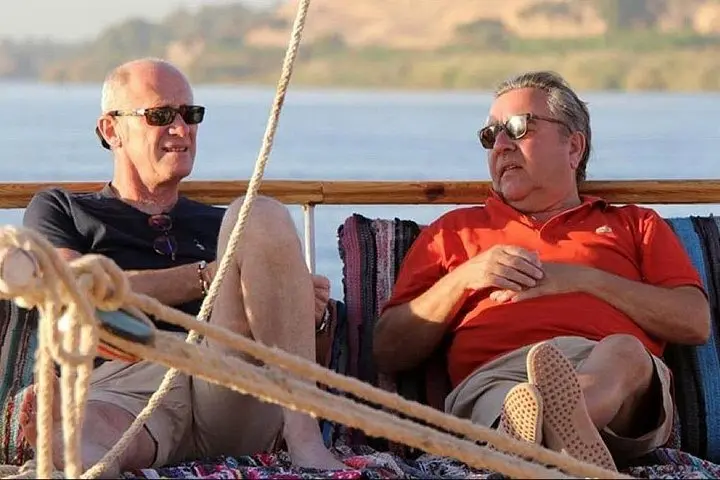
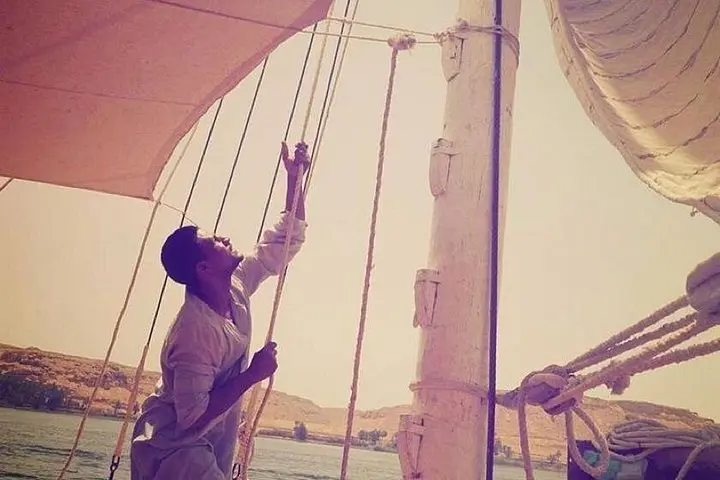
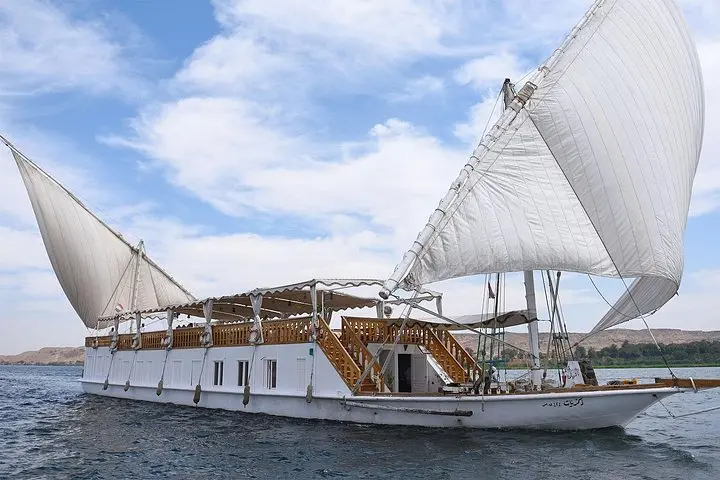
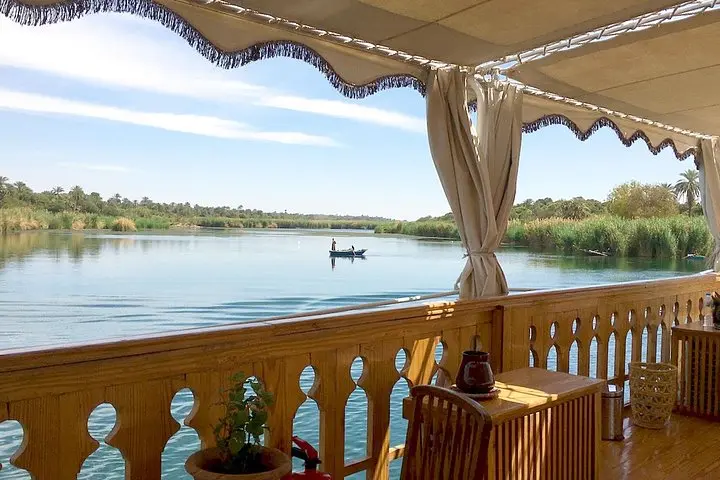
You step onto the low, wooden deck of a dahabiya as the first light softens the Nile. The river moves like a slow conversation: reed beds whisper, fishing boats nod at your wake, and distant minarets puncture the dawn. Onboard life is unhurried — sun deck for long vistas, shaded lounges for tea, and the occasional call to prayer floating across the water.
You step onto the low, wooden deck of a dahabiya as the first light softens the Nile. The river moves like a slow conversation: reed beds whisper, fishing boats nod at your wake, and distant minarets puncture the dawn. Onboard life is unhurried — sun deck for long vistas, shaded lounges for tea, and the occasional call to prayer floating across the water.
This route threads together Egypt’s richest layers: Pharaonic temples, Ptolemaic reliefs, and Nubian markets. Geologically the Nile carved the thin, fertile ribbon of the valley; the temples sit where bedrock rises and ancient builders quarried stone. Culturally the trip is a living classroom — Kom Ombo’s double sanctuary, Edfu’s Horus reliefs, Philae’s island shrine and Luxor’s West Bank tombs each tell a chapter of statecraft and ritual.
Expect slow sailing between days of guided walks. Mornings often bring temple tours when heat is gentler; afternoons are for tea on deck and short swims at shallow banks. Evenings feature local music and simple, hearty Egyptian meals prepared on board.
Practical edge: plan for strong sun, limited shade when exploring ruins, and patchy mobile service outside towns. Bring cash for markets and tips, and schedule the optional Abu Simbel day if you want the monumental Ramses spectacle (it requires a long road or short flight from Aswan). Mobility is easy to moderate — steps at temples and occasional soft sand at village stops. This cruise is best for travelers who want history paced by the river rather than by a bus timetable.