THE ADVENTURE COLLECTIVE® · Independent discovery and booking for outdoor travel

Sail the Nile at a measured pace aboard a private dahabiya from Aswan to Luxor. This 3-night cruise pairs intimate onboard comfort with guided visits to Philae, Kom Ombo, Edfu and the Valley of the Kings.
Sail the Nile at a measured pace aboard a private dahabiya from Aswan to Luxor. This 3-night cruise pairs intimate onboard comfort with guided visits to Philae, Kom Ombo, Edfu and the Valley of the Kings.
The dahabiya slips away from Aswan before dawn, the Nile pulling the boat north with a slow, insistent patience. On deck, the river breathes sand-sweet air and washes past palm-lined fields, granite outcrops near Aswan, and villages that seem to rise only to watch you pass.
Verified experiences and guided adventures in the surrounding area.
Operated by Luxor Travels · Aswan, Aswan Governorate
The dahabiya slips away from Aswan before dawn, the Nile pulling the boat north with a slow, insistent patience. On deck, the river breathes sand-sweet air and washes past palm-lined fields, granite outcrops near Aswan, and villages that seem to rise only to watch you pass.
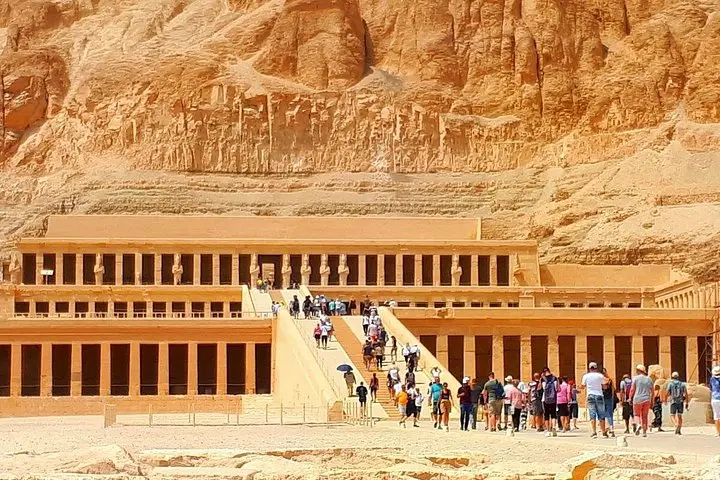
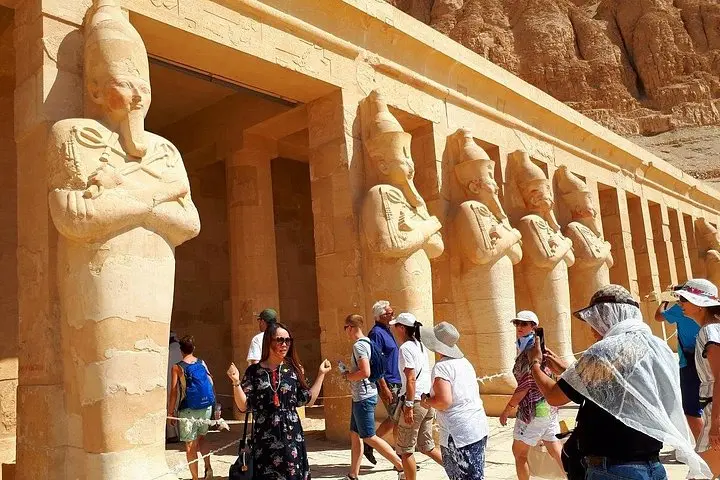
This route threads together Egypt’s most visible history: Philae’s island temple rebuilt stone by stone after the High Dam, Kom Ombo’s dual dedication to Sobek and Horus, the remarkably intact Ptolemaic temple at Edfu, and Luxor’s West and East Bank complexes that map New Kingdom power. Geologically, the river carves a narrow lifeline through Nubian sandstone and Aswan granite quarries; agriculturally it supports irrigated plots that contrast sharply with the surrounding desert.
Culturally the trip is intimate — dahabiyas were favored by 19th-century travelers and retain that colonial-era hush while offering ensuite cabins, air conditioning, a sundeck, and a cook preparing Egyptian meals. Locals will expect small gratuities (baksheesh) for services; guides are your best resource for how much to tip.
Practical advice: the cruise runs three nights and four days; flights from Cairo to Aswan are often included. Expect calm water but strong sun — pack high-SPF sunscreen, a brimmed hat, and breathable layers for cooler mornings. Bring small notes in local currency for entrances and tips, and schedule monument visits early in the day to avoid heat and crowds. For those who want history without the bustle of a big ship, a dahabiya offers slow, deliberate travel where the Nile itself sets the pace.
This itinerary typically includes the domestic flight from Cairo to Aswan; confirm at booking and reconfirm times with the operator.
Cabins generally have ensuite bathrooms, air conditioning, electrical outlets, and modest storage—expect a comfortable, intimate layout rather than large-ship facilities.
Some Nile programs add an Abu Simbel excursion by road or flight from Aswan; check the specific itinerary or ask the provider to confirm inclusion and schedule.
Tipping (baksheesh) is common in Egypt; guides, crew and drivers expect small notes—ask your Egyptologist guide for local recommendations by service type.
Luxor Travels operates guided outdoor trips and adventures with an emphasis on safety, stewardship, and memorable experiences.
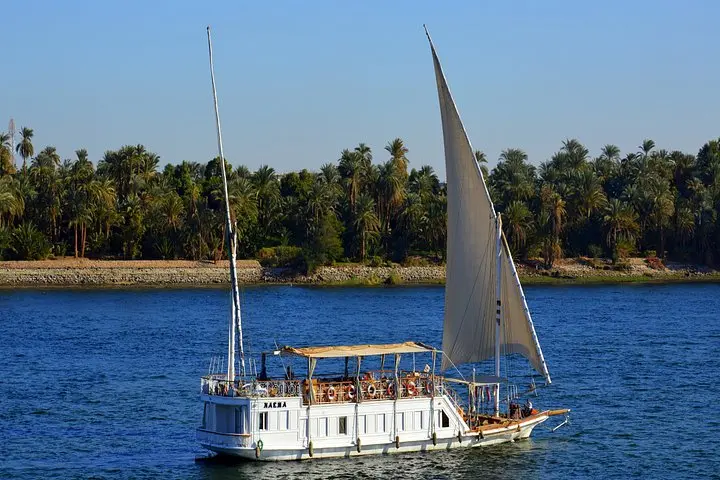
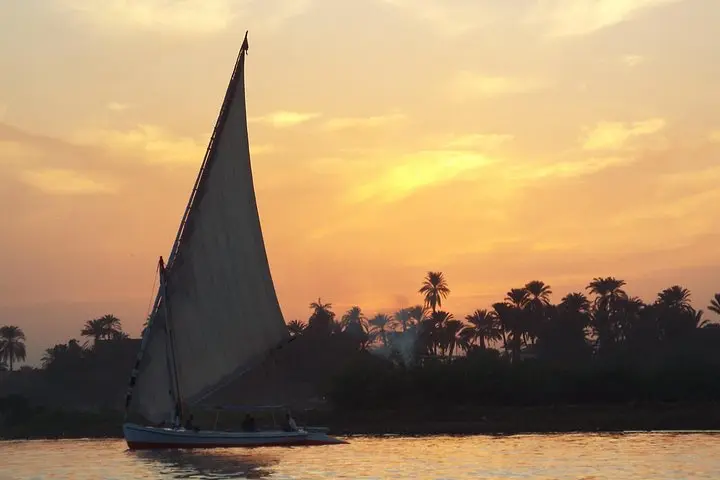
The dahabiya slips away from Aswan before dawn, the Nile pulling the boat north with a slow, insistent patience. On deck, the river breathes sand-sweet air and washes past palm-lined fields, granite outcrops near Aswan, and villages that seem to rise only to watch you pass.
The dahabiya slips away from Aswan before dawn, the Nile pulling the boat north with a slow, insistent patience. On deck, the river breathes sand-sweet air and washes past palm-lined fields, granite outcrops near Aswan, and villages that seem to rise only to watch you pass.
This route threads together Egypt’s most visible history: Philae’s island temple rebuilt stone by stone after the High Dam, Kom Ombo’s dual dedication to Sobek and Horus, the remarkably intact Ptolemaic temple at Edfu, and Luxor’s West and East Bank complexes that map New Kingdom power. Geologically, the river carves a narrow lifeline through Nubian sandstone and Aswan granite quarries; agriculturally it supports irrigated plots that contrast sharply with the surrounding desert.
Culturally the trip is intimate — dahabiyas were favored by 19th-century travelers and retain that colonial-era hush while offering ensuite cabins, air conditioning, a sundeck, and a cook preparing Egyptian meals. Locals will expect small gratuities (baksheesh) for services; guides are your best resource for how much to tip.
Practical advice: the cruise runs three nights and four days; flights from Cairo to Aswan are often included. Expect calm water but strong sun — pack high-SPF sunscreen, a brimmed hat, and breathable layers for cooler mornings. Bring small notes in local currency for entrances and tips, and schedule monument visits early in the day to avoid heat and crowds. For those who want history without the bustle of a big ship, a dahabiya offers slow, deliberate travel where the Nile itself sets the pace.