THE ADVENTURE COLLECTIVE® · Independent discovery and booking for outdoor travel

Sail from Aswan to Luxor aboard a traditional dahabiya on this four-day journey through Egypt’s living history. Visit Kom Ombo, Edfu, Gebel el Silsila and Luxor’s West Bank while enjoying full-board service and guided shore excursions.
Sail from Aswan to Luxor aboard a traditional dahabiya on this four-day journey through Egypt’s living history. Visit Kom Ombo, Edfu, Gebel el Silsila and Luxor’s West Bank while enjoying full-board service and guided shore excursions.
You step onto a low-slung dahabiya as the sun softens over the Nile, oars clicking and a warm breeze pushing the sails. Palm shadows slide across the deck while villages and sandstone cliffs pass like pages in a slow-moving book. The river carries the boat and the past together — a living corridor of agriculture, gods and stone.
Verified experiences and guided adventures in the surrounding area.
Operated by Ahmed Ebeid Gabr · Aswan, Aswan Governorate
You step onto a low-slung dahabiya as the sun softens over the Nile, oars clicking and a warm breeze pushing the sails. Palm shadows slide across the deck while villages and sandstone cliffs pass like pages in a slow-moving book. The river carries the boat and the past together — a living corridor of agriculture, gods and stone.
This four-day, three-night route threads Aswan to Luxor, visiting Kom Ombo’s dual temples, the well-preserved cult complex at Edfu, the exposed quarries of Gebel el Silsila, and ancient El Kab before the grand finale: the Valley of the Kings, Hatshepsut’s mortuary temple, and Karnak’s hypostyle forest. Geologically, the Nile’s annual floods once deposited rich silt that shaped settlements; the cliffs near Gebel el Silsila reveal layered sandstone and former quarry marks. Culturally, the itinerary traces pharaonic religion and later Greco-Roman and Ottoman imprints visible in markets and caravanserai remains.
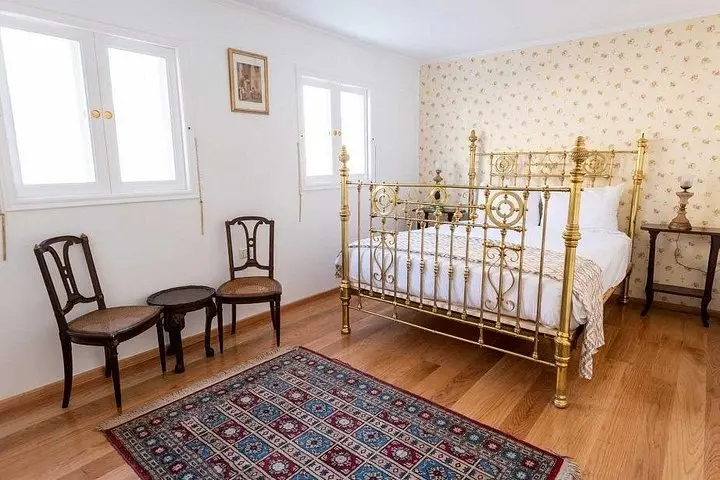
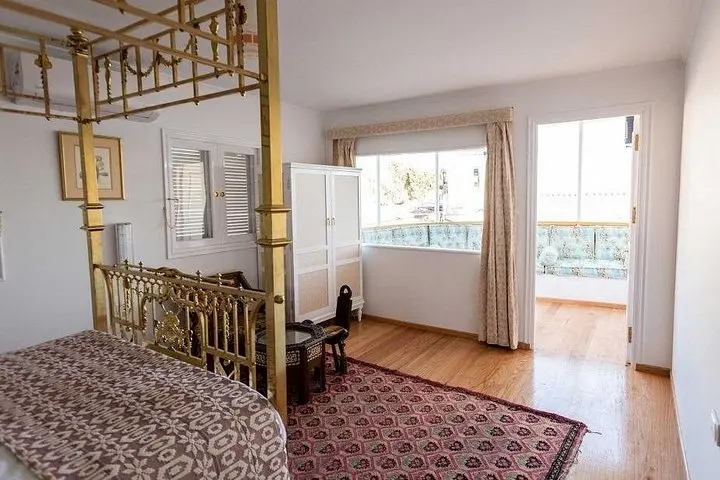
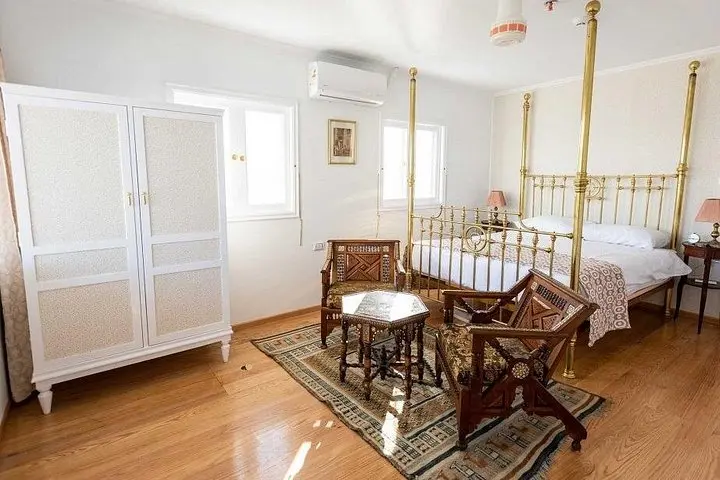
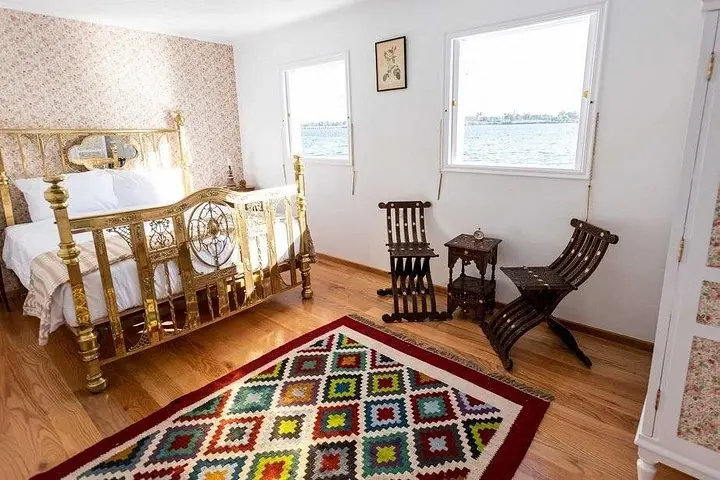
Practical guide: cabins on a dahabiya are compact and calm; expect full-board meals and daylight shore excursions led by an Egyptologist. Wear comfortable walking shoes for uneven temple steps and a hat and high-SPF sunscreen for long, exposed visits. Bring photocopies of passports for site entries and a small local-currency stash for tips and market purchases. Evenings can be cool — pack a light layer. Mobility note: many temple sites feature steps and uneven stone; the cruise lists wheelchair-accessible services, but some archaeological sites have limited accessibility.
Timing your visit for shoulder seasons reduces heat and crowds, and morning temple visits offer the best light for photography and cooler walking conditions.
Yes — the itinerary lists full-board dining with three breakfasts, lunches and dinners served on board during the three nights.
The operator notes wheelchair-accessible transfers and transport, but some archaeological sites have uneven ground and steps; contact the provider ahead to confirm specific accessibility needs.
Signal varies along the Nile; expect intermittent mobile data near towns and limited Wi‑Fi on traditional dahabiyas — plan offline content accordingly.
You’ll need passport details, nationality and passport expiry when booking; bring original passport for transfers and museum/temple admissions.
Ahmed Ebeid Gabr operates guided outdoor trips and adventures with an emphasis on safety, stewardship, and memorable experiences.
You step onto a low-slung dahabiya as the sun softens over the Nile, oars clicking and a warm breeze pushing the sails. Palm shadows slide across the deck while villages and sandstone cliffs pass like pages in a slow-moving book. The river carries the boat and the past together — a living corridor of agriculture, gods and stone.
You step onto a low-slung dahabiya as the sun softens over the Nile, oars clicking and a warm breeze pushing the sails. Palm shadows slide across the deck while villages and sandstone cliffs pass like pages in a slow-moving book. The river carries the boat and the past together — a living corridor of agriculture, gods and stone.
This four-day, three-night route threads Aswan to Luxor, visiting Kom Ombo’s dual temples, the well-preserved cult complex at Edfu, the exposed quarries of Gebel el Silsila, and ancient El Kab before the grand finale: the Valley of the Kings, Hatshepsut’s mortuary temple, and Karnak’s hypostyle forest. Geologically, the Nile’s annual floods once deposited rich silt that shaped settlements; the cliffs near Gebel el Silsila reveal layered sandstone and former quarry marks. Culturally, the itinerary traces pharaonic religion and later Greco-Roman and Ottoman imprints visible in markets and caravanserai remains.
Practical guide: cabins on a dahabiya are compact and calm; expect full-board meals and daylight shore excursions led by an Egyptologist. Wear comfortable walking shoes for uneven temple steps and a hat and high-SPF sunscreen for long, exposed visits. Bring photocopies of passports for site entries and a small local-currency stash for tips and market purchases. Evenings can be cool — pack a light layer. Mobility note: many temple sites feature steps and uneven stone; the cruise lists wheelchair-accessible services, but some archaeological sites have limited accessibility.
Timing your visit for shoulder seasons reduces heat and crowds, and morning temple visits offer the best light for photography and cooler walking conditions.