THE ADVENTURE COLLECTIVE® · Independent discovery and booking for outdoor travel

Sail the Nile aboard a traditional Dahabiya on a four-day private cruise from Aswan to Luxor, visiting Aswan High Dam, Kom Ombo, Esna Lock and Luxor’s temples and tombs. This intimate river voyage pairs relaxed sailing with guided archaeological visits and authentic local encounters.
Sail the Nile aboard a traditional Dahabiya on a four-day private cruise from Aswan to Luxor, visiting Aswan High Dam, Kom Ombo, Esna Lock and Luxor’s temples and tombs. This intimate river voyage pairs relaxed sailing with guided archaeological visits and authentic local encounters.
Morning in Aswan opens with light spilling across the Nile and a wooden deck underfoot; the Dahabiya slips away from the quay and the river takes charge, its current nudging the boat eastward.
Verified experiences and guided adventures in the surrounding area.
Operated by Bastet Travel · Aswan, Aswan Governorate
Morning in Aswan opens with light spilling across the Nile and a wooden deck underfoot; the Dahabiya slips away from the quay and the river takes charge, its current nudging the boat eastward.
Across four days the cruise moves at an unhurried pace, threading classical river landscapes and pharaonic sites: the engineering contrast of the Aswan High Dam, the half-carved Unfinished Obelisk, Kom Ombo’s twin sanctuaries, the mechanical drama of the Esna Lock, and Luxor’s Karnak, Luxor Temple and the West Bank necropolises.
Geology here is plain in the cliffs and silt: Nubian sandstone cliffs, Nile alluvium and cultivated riverbanks that have supported civilization for millennia. Culturally, the route passes Nubian villages and century-old river commerce; temple reliefs narrate royal rituals while local markets sell spices and textiles that echo those same ancient trade routes.
Expect daily short walks on uneven stone surfaces and stairs inside tombs and temples, while the boat provides calm, flat sleeping quarters and meals. Practical planning: book morning visits to major sites to avoid heat and crowds, carry a lightweight daypack for water and sunscreen, and bring cash for small purchases at markets. Hydration is essential under the sun; aim for at least 2–3 liters per day while touring ashore.
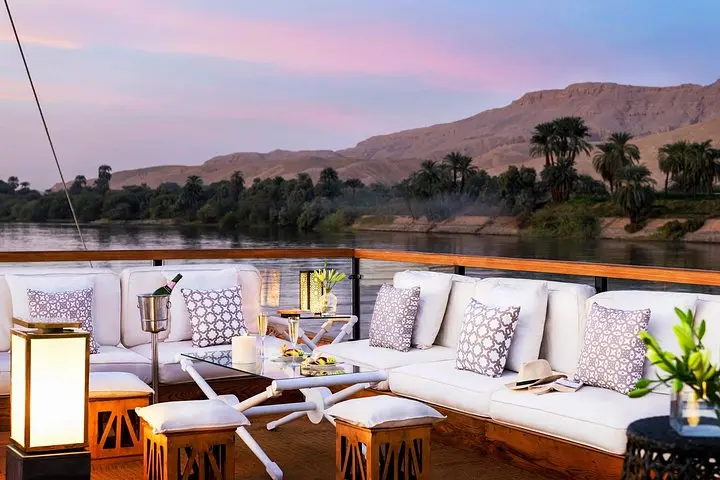
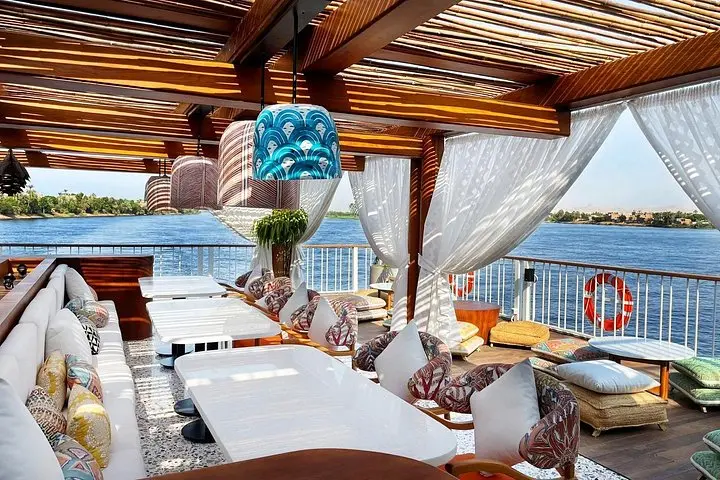
Onboard pacing lets travelers balance archaeology with quiet—sunsets from deck, the river daring you to slow down. Aim for sturdy walking shoes, layered sun protection and a camera with extra batteries: the Nile hands you moments worth keeping.
The cruise itself is relaxed; shore excursions involve walking on uneven stone paths and stairs—most travelers in good health can participate.
The itinerary includes certain entrance fees and meals as specified; check your booking details for exact inclusions.
Some elements are wheelchair accessible, but many temple sites and tombs have steps—advise contacting the operator about mobility needs.
Abu Simbel is a longer excursion from Aswan and is sometimes offered as an optional early-morning add-on; confirm availability before booking.
Bastet Travel operates guided outdoor trips and adventures with an emphasis on safety, stewardship, and memorable experiences.
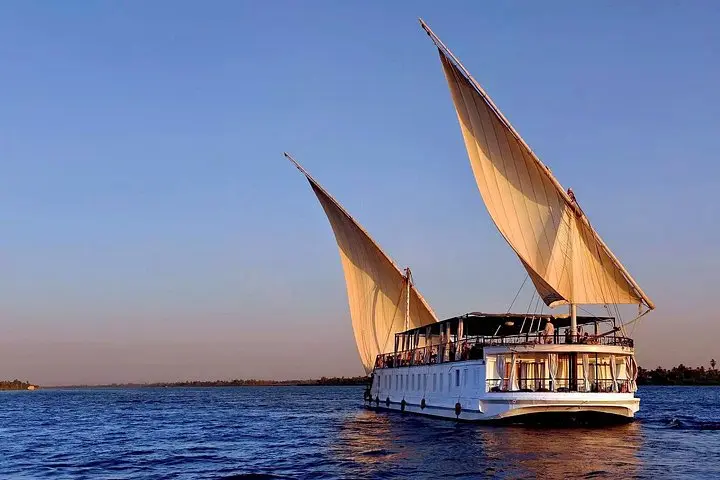
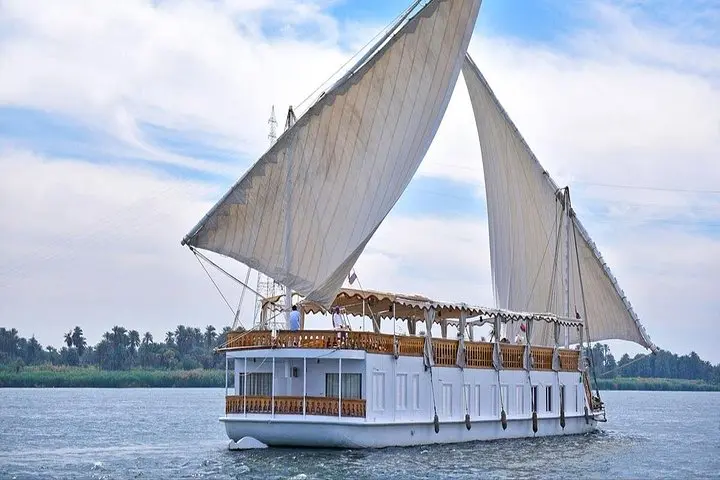
Morning in Aswan opens with light spilling across the Nile and a wooden deck underfoot; the Dahabiya slips away from the quay and the river takes charge, its current nudging the boat eastward.
Morning in Aswan opens with light spilling across the Nile and a wooden deck underfoot; the Dahabiya slips away from the quay and the river takes charge, its current nudging the boat eastward.
Across four days the cruise moves at an unhurried pace, threading classical river landscapes and pharaonic sites: the engineering contrast of the Aswan High Dam, the half-carved Unfinished Obelisk, Kom Ombo’s twin sanctuaries, the mechanical drama of the Esna Lock, and Luxor’s Karnak, Luxor Temple and the West Bank necropolises.
Geology here is plain in the cliffs and silt: Nubian sandstone cliffs, Nile alluvium and cultivated riverbanks that have supported civilization for millennia. Culturally, the route passes Nubian villages and century-old river commerce; temple reliefs narrate royal rituals while local markets sell spices and textiles that echo those same ancient trade routes.
Expect daily short walks on uneven stone surfaces and stairs inside tombs and temples, while the boat provides calm, flat sleeping quarters and meals. Practical planning: book morning visits to major sites to avoid heat and crowds, carry a lightweight daypack for water and sunscreen, and bring cash for small purchases at markets. Hydration is essential under the sun; aim for at least 2–3 liters per day while touring ashore.
Onboard pacing lets travelers balance archaeology with quiet—sunsets from deck, the river daring you to slow down. Aim for sturdy walking shoes, layered sun protection and a camera with extra batteries: the Nile hands you moments worth keeping.