THE ADVENTURE COLLECTIVE® · Independent discovery and booking for outdoor travel

Sail the Nile aboard a traditional dahabiya on a relaxed 4‑night journey from Luxor to Aswan, stopping at Karnak, the Valley of the Kings, Edfu, Kom Ombo and Philae. Expect intimate rivertime, guided archaeological visits, and Egyptian cuisine served on deck.
Sail the Nile aboard a traditional dahabiya on a relaxed 4‑night journey from Luxor to Aswan, stopping at Karnak, the Valley of the Kings, Edfu, Kom Ombo and Philae. Expect intimate rivertime, guided archaeological visits, and Egyptian cuisine served on deck.
The dahabiya slips away from the dock with the sound of oars and the low thrum of the motor, the Nile widening like an old map spread out beneath a clear sky. Guests step onto teak decks that curve gently with the river’s movement, and the shoreline slides past in slow vignettes: palm clusters, mud-brick villages, and fields that still rely on the river’s annual generosity.
Verified experiences and guided adventures in the surrounding area.
Operated by Egypt Best Day Tours · Luxor, Luxor Governorate
The dahabiya slips away from the dock with the sound of oars and the low thrum of the motor, the Nile widening like an old map spread out beneath a clear sky. Guests step onto teak decks that curve gently with the river’s movement, and the shoreline slides past in slow vignettes: palm clusters, mud-brick villages, and fields that still rely on the river’s annual generosity.
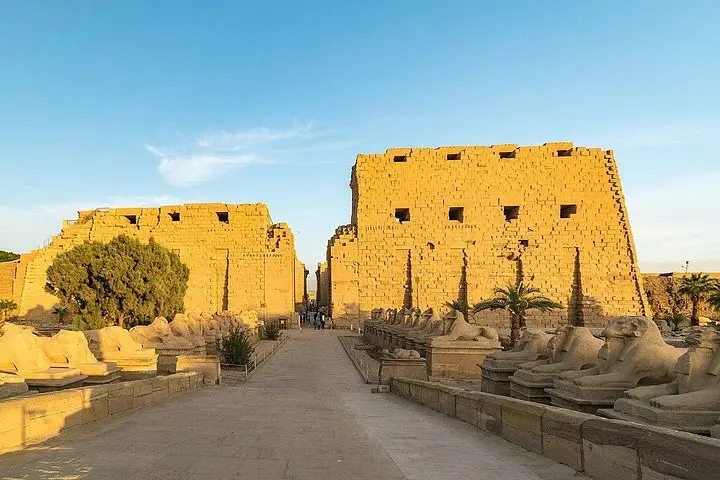
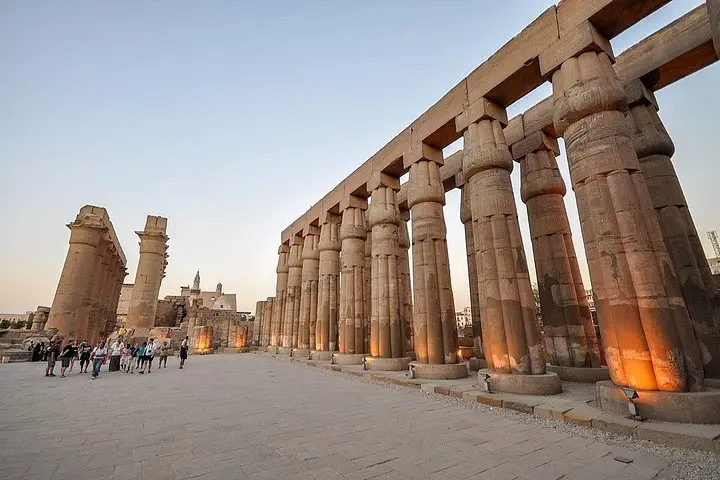
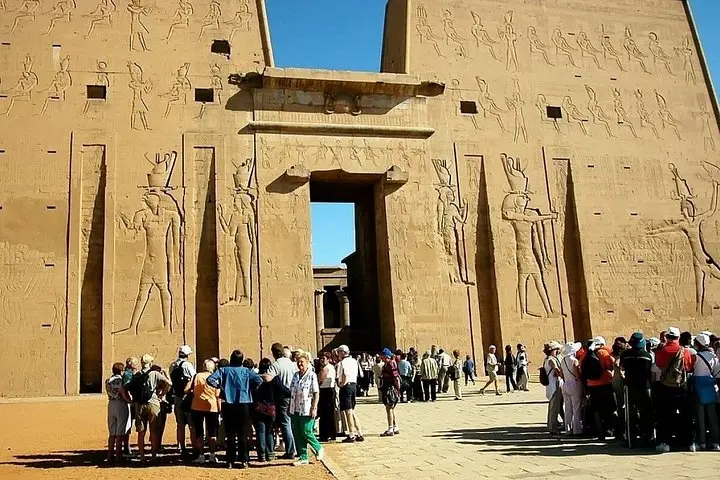
This voyage follows routes carved by millennia of Egyptian civilization. The dahabiya itself recalls 19th‑century river travel—smaller and quieter than modern steamers—allowing closer encounters with temple sites at Karnak, the Valley of the Kings, Edfu’s Temple of Horus, Kom Ombo, and the Philae complex in Aswan. Geologically the Nile corridor cuts along alluvial deposits that have supported agriculture and settlement since pharaonic times; temples and tombs sit on raised terraces above the floodplain.
Culturally, expect guided Egyptologist commentary ashore, markets by the quayside, and nightly meals featuring traditional dishes prepared aboard.
Practical guidance: pack lightweight layers for hot days and cool nights, sturdy walking shoes for uneven temple floors and tomb steps, and a sun hat for unshaded sundecks. Bring local currency in small bills for tipping and market purchases. Plan for short flights (Cairo–Luxor) and punctual group transfers—this itinerary moves on a schedule.
A dahabiya cruise balances unhurried river time with deliberate shore excursions: it’s an immersive way to move between ancient sites without the noise of larger ships, but it requires readiness for stairs, outdoor heat, and limited daily shore-time windows.
Yes—most dahabiya cruises include breakfasts, lunches and dinners prepared on board; special dietary needs should be requested in advance.
Excursions involve walking on uneven stone floors, climbing temple steps, and descending into tombs—comfortable shoes and moderate mobility are required.
Many nationalities require a visa for entry to Egypt—check current visa rules before travel and ensure passport validity meets requirements.
Tipping is customary for guides, drivers and crew; bring small local-currency notes to distribute directly after services.
Egypt Best Day Tours operates guided outdoor trips and adventures with an emphasis on safety, stewardship, and memorable experiences.
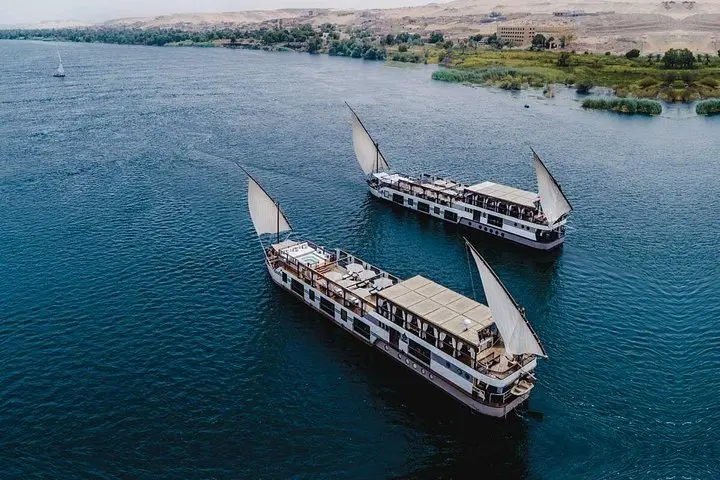
The dahabiya slips away from the dock with the sound of oars and the low thrum of the motor, the Nile widening like an old map spread out beneath a clear sky. Guests step onto teak decks that curve gently with the river’s movement, and the shoreline slides past in slow vignettes: palm clusters, mud-brick villages, and fields that still rely on the river’s annual generosity.
The dahabiya slips away from the dock with the sound of oars and the low thrum of the motor, the Nile widening like an old map spread out beneath a clear sky. Guests step onto teak decks that curve gently with the river’s movement, and the shoreline slides past in slow vignettes: palm clusters, mud-brick villages, and fields that still rely on the river’s annual generosity.
This voyage follows routes carved by millennia of Egyptian civilization. The dahabiya itself recalls 19th‑century river travel—smaller and quieter than modern steamers—allowing closer encounters with temple sites at Karnak, the Valley of the Kings, Edfu’s Temple of Horus, Kom Ombo, and the Philae complex in Aswan. Geologically the Nile corridor cuts along alluvial deposits that have supported agriculture and settlement since pharaonic times; temples and tombs sit on raised terraces above the floodplain.
Culturally, expect guided Egyptologist commentary ashore, markets by the quayside, and nightly meals featuring traditional dishes prepared aboard.
Practical guidance: pack lightweight layers for hot days and cool nights, sturdy walking shoes for uneven temple floors and tomb steps, and a sun hat for unshaded sundecks. Bring local currency in small bills for tipping and market purchases. Plan for short flights (Cairo–Luxor) and punctual group transfers—this itinerary moves on a schedule.
A dahabiya cruise balances unhurried river time with deliberate shore excursions: it’s an immersive way to move between ancient sites without the noise of larger ships, but it requires readiness for stairs, outdoor heat, and limited daily shore-time windows.