THE ADVENTURE COLLECTIVE® · Independent discovery and booking for outdoor travel

Travel the Nile aboard an eight-cabin dahabiya from Luxor to Aswan — slow navigation that reaches small ports, private temple visits and nights at island anchorage. Expect intimate temple access, full-board dining and a relaxed pace ideal for culturally focused travelers.
Travel the Nile aboard an eight-cabin dahabiya from Luxor to Aswan — slow navigation that reaches small ports, private temple visits and nights at island anchorage. Expect intimate temple access, full-board dining and a relaxed pace ideal for culturally focused travelers.
You step aboard a low-slung dahabiya as the Nile slips past reed beds and mud-brick villages, the boat’s slow wake sketching a line on a polished surface. Morning light finds temple pylons rising out of sand and time; evenings bring rooftop decks, cardamom tea and a small crew tuning the lamps.
Verified experiences and guided adventures in the surrounding area.
Operated by Blue Tours · Luxor, Luxor Governorate
You step aboard a low-slung dahabiya as the Nile slips past reed beds and mud-brick villages, the boat’s slow wake sketching a line on a polished surface. Morning light finds temple pylons rising out of sand and time; evenings bring rooftop decks, cardamom tea and a small crew tuning the lamps.
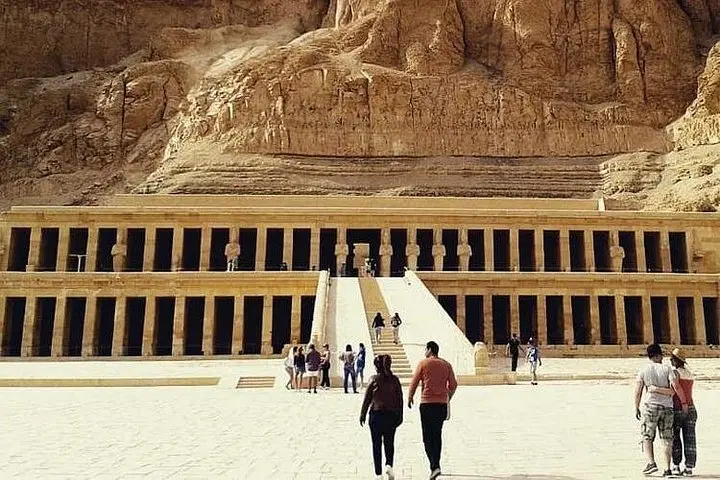
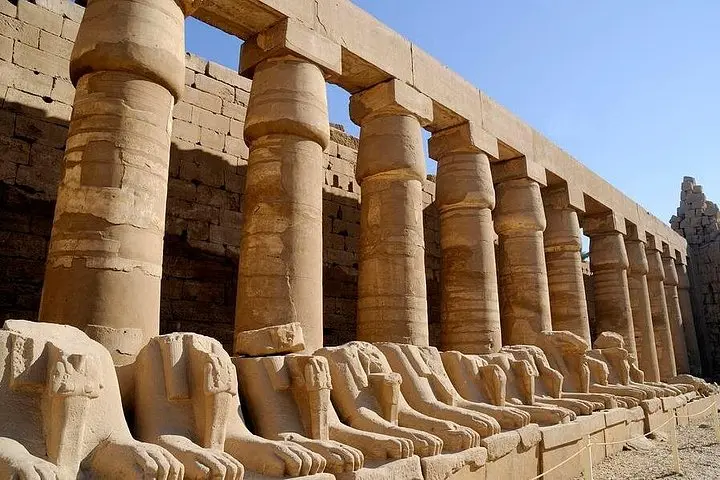
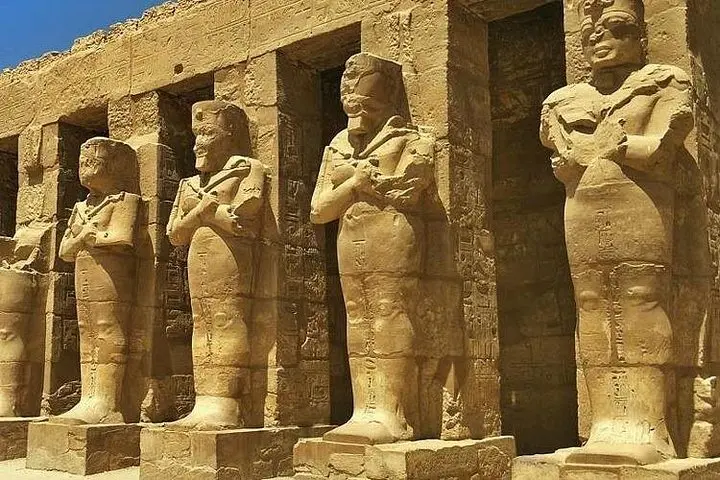
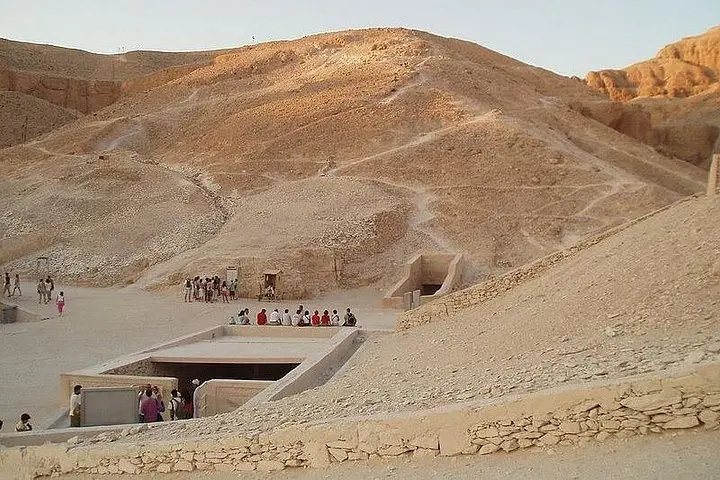
This is a classic Upper Egypt voyage: small-boat navigation that allows stops large cruise ships can’t make, from Luxor’s Karnak and Valley of the Kings to Edfu, Kom Ombo and the reconstructed Philae. Geologically the route threads a green ribbon through the Eastern Desert escarpment and Nile floodplain; archaeologically it traces pharaonic, Ptolemaic and Roman layers—each temple a worked stone chapter in Egypt’s long human record. Locally, riverbank life still orbits seasonal agriculture and ferry crossings; markets in Aswan offer granite craftsmen and Nubian textiles.
Practically, expect a relaxed pace with daily land excursions, short hikes over archaeological terraces and frequent transfers by launch. The boat accommodates eight cabins—intimate but not isolated—and includes full board. Sun protection, steady footwear for temple stairs, and a refillable water bottle are essentials. Plan early starts to avoid midday heat and carry small bills for entry fees and local guides. Health-wise, moderate fitness is enough; bring motion-sickness prevention if you’re sensitive.
This trip balances cultural intensity with slow navigation: days spent on stone and history, nights under desert clarity. For travelers wanting immersion—temples unhurried, villages approachable, and a route that still feels exploratory—the dahabiya is a practical, memorable way to travel the Nile.
The itinerary typically begins in Luxor (embarkation after west bank visits) and ends in Aswan with disembarkation and a day trip to Abu Simbel.
Infants are allowed but must sit on laps; the operator recommends moderate fitness and supervision on stairs and launches.
Most temple admissions on the itinerary are included, but check specifics for special sites and any optional excursions.
Not recommended for travelers with serious heart conditions; bring any medications, sun protection, and bottled water for excursions if desired.
Blue Tours operates guided outdoor trips and adventures with an emphasis on safety, stewardship, and memorable experiences.
You step aboard a low-slung dahabiya as the Nile slips past reed beds and mud-brick villages, the boat’s slow wake sketching a line on a polished surface. Morning light finds temple pylons rising out of sand and time; evenings bring rooftop decks, cardamom tea and a small crew tuning the lamps.
You step aboard a low-slung dahabiya as the Nile slips past reed beds and mud-brick villages, the boat’s slow wake sketching a line on a polished surface. Morning light finds temple pylons rising out of sand and time; evenings bring rooftop decks, cardamom tea and a small crew tuning the lamps.
This is a classic Upper Egypt voyage: small-boat navigation that allows stops large cruise ships can’t make, from Luxor’s Karnak and Valley of the Kings to Edfu, Kom Ombo and the reconstructed Philae. Geologically the route threads a green ribbon through the Eastern Desert escarpment and Nile floodplain; archaeologically it traces pharaonic, Ptolemaic and Roman layers—each temple a worked stone chapter in Egypt’s long human record. Locally, riverbank life still orbits seasonal agriculture and ferry crossings; markets in Aswan offer granite craftsmen and Nubian textiles.
Practically, expect a relaxed pace with daily land excursions, short hikes over archaeological terraces and frequent transfers by launch. The boat accommodates eight cabins—intimate but not isolated—and includes full board. Sun protection, steady footwear for temple stairs, and a refillable water bottle are essentials. Plan early starts to avoid midday heat and carry small bills for entry fees and local guides. Health-wise, moderate fitness is enough; bring motion-sickness prevention if you’re sensitive.
This trip balances cultural intensity with slow navigation: days spent on stone and history, nights under desert clarity. For travelers wanting immersion—temples unhurried, villages approachable, and a route that still feels exploratory—the dahabiya is a practical, memorable way to travel the Nile.