THE ADVENTURE COLLECTIVE® · Independent discovery and booking for outdoor travel

Sail a traditional dahabiya from Luxor to Aswan on a private five-day cruise that pairs intimate river travel with guided stops at Edfu, Kom Ombo, Gebel Silsila and Philae. Expect quiet nights aboard, short temple walks, and close-up views of ancient quarry sites.
Sail a traditional dahabiya from Luxor to Aswan on a private five-day cruise that pairs intimate river travel with guided stops at Edfu, Kom Ombo, Gebel Silsila and Philae. Expect quiet nights aboard, short temple walks, and close-up views of ancient quarry sites.
You step aboard just before dawn as Luxor’s sluiced light slides across a narrow wooden deck. The dahabiya — a low-slung, traditional Nile sailboat — glides out into a slow, ancient current; palms and mudbrick villages pass like a film of everyday life, and the river breathes around you.
Verified experiences and guided adventures in the surrounding area.
Operated by Get Nile Cruise · Luxor, Luxor Governorate
You step aboard just before dawn as Luxor’s sluiced light slides across a narrow wooden deck. The dahabiya — a low-slung, traditional Nile sailboat — glides out into a slow, ancient current; palms and mudbrick villages pass like a film of everyday life, and the river breathes around you.
This Upper Egypt route follows the Nile’s meanders past sites layered with three millennia of history: Greco-Roman temples at Edfu, the double shrine of Kom Ombo, the quarry-cut shrines of Gebel Silsila, and the island sanctuary of Philae rescued by an international UNESCO campaign when the Aswan High Dam raised the waters. Geologically the corridor alternates soft Nile silt and harder sandstone and granite — which is why ancient builders quarried here for obelisks and temple blocks.
Culturally you’ll move between temple rituals and riverside markets where small shops trade spices, textiles and tamarisk tools. The experience leans toward slow travel: guided temple visits, short guided walks at each stop, and evenings under a wide desert sky.
Practical guidance: the cruise covers roughly 200–250 km over five days with mostly flat walking and temple staircases; bring a sun hat, sturdy walking shoes with good grip for steps, a refillable water bottle, and conservative clothing for religious sites. Best months are October–April for cooler days; mornings and late afternoons offer the best light for photography. Carry cash for local markets and tips, and be ready to walk on uneven stone and sandy paths when ashore.
Yes — the itinerary is offered as a private dahabiya cruise with private transfers and a dedicated English-speaking guide (other languages on request).
Full board is included (breakfast, lunch, dinner) and soft drinks are provided; alcoholic beverages may not be included—confirm with the operator.
The tour notes wheelchair access in parts, but temple visits involve steps and uneven terrain; contact the operator in advance to discuss specific mobility needs.
October through April offers the most comfortable temperatures for sightseeing and evenings on deck; summer is very hot and requires careful timing of activities.
Get Nile Cruise operates guided outdoor trips and adventures with an emphasis on safety, stewardship, and memorable experiences.
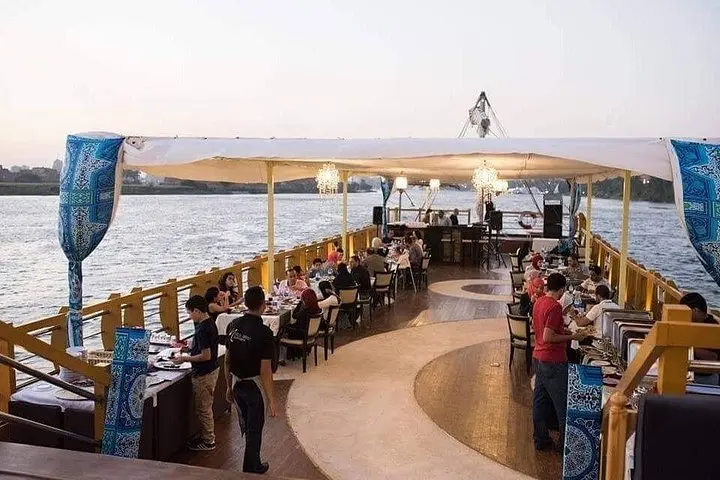
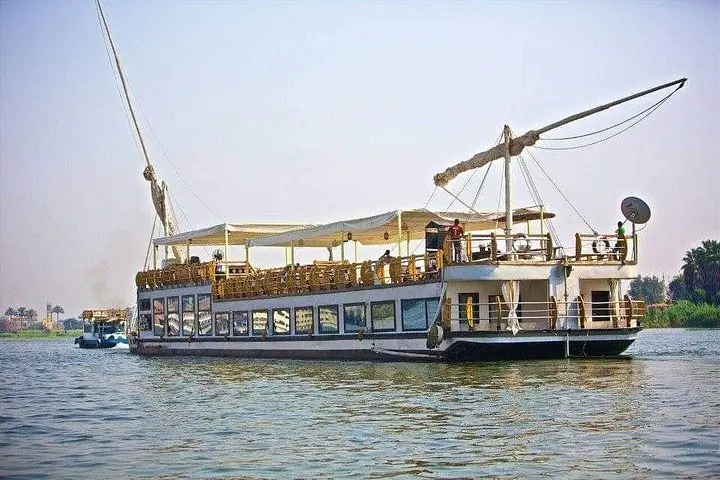
You step aboard just before dawn as Luxor’s sluiced light slides across a narrow wooden deck. The dahabiya — a low-slung, traditional Nile sailboat — glides out into a slow, ancient current; palms and mudbrick villages pass like a film of everyday life, and the river breathes around you.
You step aboard just before dawn as Luxor’s sluiced light slides across a narrow wooden deck. The dahabiya — a low-slung, traditional Nile sailboat — glides out into a slow, ancient current; palms and mudbrick villages pass like a film of everyday life, and the river breathes around you.
This Upper Egypt route follows the Nile’s meanders past sites layered with three millennia of history: Greco-Roman temples at Edfu, the double shrine of Kom Ombo, the quarry-cut shrines of Gebel Silsila, and the island sanctuary of Philae rescued by an international UNESCO campaign when the Aswan High Dam raised the waters. Geologically the corridor alternates soft Nile silt and harder sandstone and granite — which is why ancient builders quarried here for obelisks and temple blocks.
Culturally you’ll move between temple rituals and riverside markets where small shops trade spices, textiles and tamarisk tools. The experience leans toward slow travel: guided temple visits, short guided walks at each stop, and evenings under a wide desert sky.
Practical guidance: the cruise covers roughly 200–250 km over five days with mostly flat walking and temple staircases; bring a sun hat, sturdy walking shoes with good grip for steps, a refillable water bottle, and conservative clothing for religious sites. Best months are October–April for cooler days; mornings and late afternoons offer the best light for photography. Carry cash for local markets and tips, and be ready to walk on uneven stone and sandy paths when ashore.