THE ADVENTURE COLLECTIVE® · Independent discovery and booking for outdoor travel

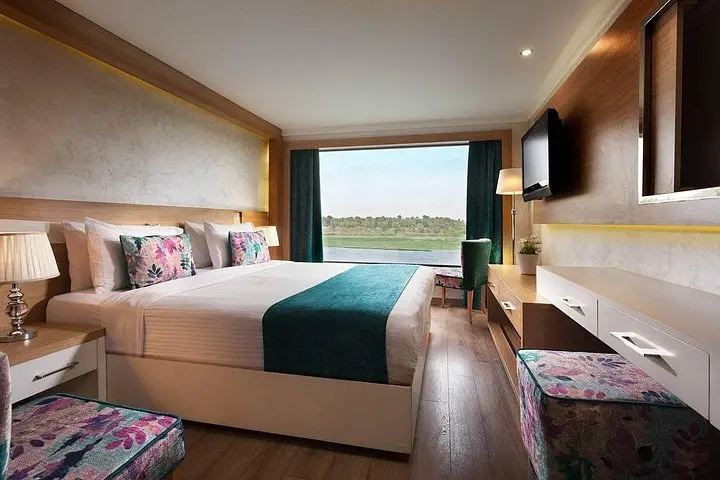
Sail the Nile in a private five-star dahabiya between Aswan and Luxor over four tranquil days. Visit Philae, Kom Ombo, Edfu, and Luxor’s West Bank with a private Egyptologist and enjoy intimate shore visits and onboard comfort.
Sail the Nile in a private five-star dahabiya between Aswan and Luxor over four tranquil days. Visit Philae, Kom Ombo, Edfu, and Luxor’s West Bank with a private Egyptologist and enjoy intimate shore visits and onboard comfort.
You step onto warm teak as the dahabiya slips away from Aswan at first light — palm-lined banks slide past like pages, and the river opens up into long, reflective pools. On deck, tea steams and the boat’s sails catch a gentle northerly breeze; ahead lies a stretch of river that has linked temples and trade since pharaonic times.
Verified experiences and guided adventures in the surrounding area.
Operated by Saray El-Nile · Aswan, Aswan Governorate
You step onto warm teak as the dahabiya slips away from Aswan at first light — palm-lined banks slide past like pages, and the river opens up into long, reflective pools. On deck, tea steams and the boat’s sails catch a gentle northerly breeze; ahead lies a stretch of river that has linked temples and trade since pharaonic times.
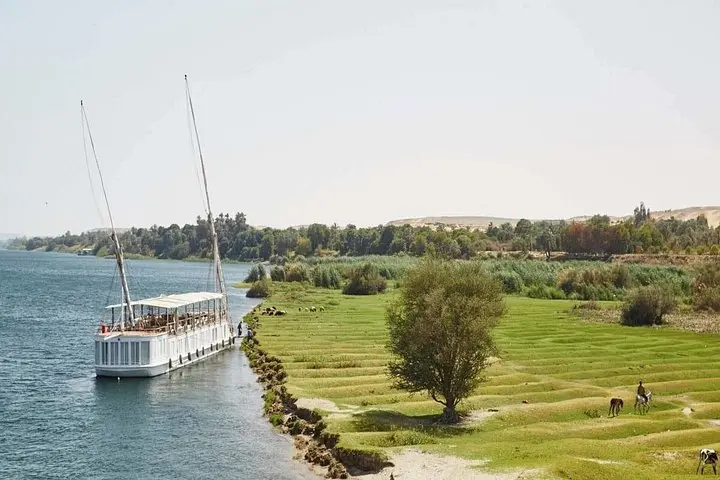
This private four-day cruise traces roughly 260 km (about 160 miles) of the Nile between Aswan and Luxor, moving at an unhurried pace that invites close study of riverside life. Geologically the Nile’s corridor slices through Nubian bedrock and alluvial floodplains; you’ll pass sandstone quarries at Gebel el-Silsila and fertile palm groves that have fed communities for millennia. Culturally, the journey stitches together Nubian villages, Coptic and Pharaonic sites, and Greco-Roman layers — each temple gate and relief a practical record of religious and economic power along the river.
Expect intimate, guided visits: Philae by boat, Kom Ombo’s twin sanctuaries, the horse-drawn arrival at Edfu, and the West Bank’s royal necropolis in Luxor. Days balance short on-shore walks, carriage rides, and slow sailing; nights are quiet aboard a five-star dahabiya with full board.
Practical notes: travel light but bring a sturdy pair of walking shoes for uneven temple grounds, sun protection, and a refillable water bottle. Best windows for comfortable weather are October–April; mornings and evenings are cooler for photography. Respect local customs in Nubian villages, carry local currency for small purchases, and time temple visits for early morning or late afternoon to avoid crowds and harsh midday light.
Most visitors require a visa to enter Egypt—check your country’s requirements in advance and arrange a tourist visa or e-visa before travel.
The tour itinerary indicates sightseeing and admissions are included for listed sites, but confirm specific inclusions on booking and bring cash for optional sites or extras.
Yes, the trip is family-friendly and listed as suitable for all fitness levels; infants may need to sit on an adult’s lap during transfers and some vehicles.
Tipping is customary—budget a modest amount per passenger per day for the crew and a separate tip for the Egyptologist guide; use local currency when possible.
Saray El-Nile operates guided outdoor trips and adventures with an emphasis on safety, stewardship, and memorable experiences.
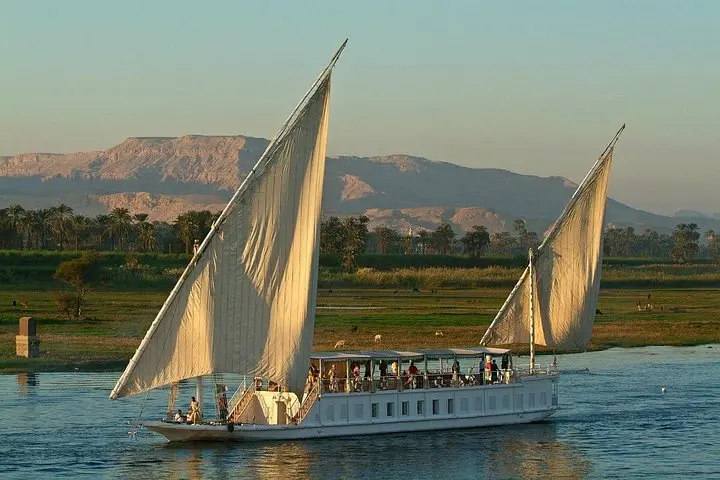
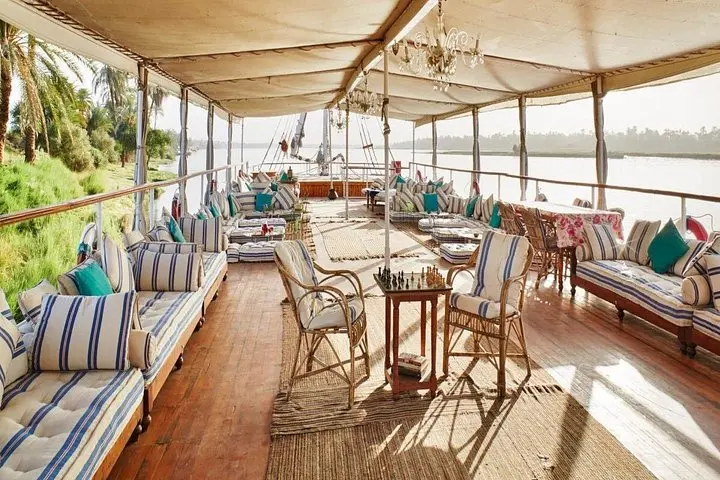
You step onto warm teak as the dahabiya slips away from Aswan at first light — palm-lined banks slide past like pages, and the river opens up into long, reflective pools. On deck, tea steams and the boat’s sails catch a gentle northerly breeze; ahead lies a stretch of river that has linked temples and trade since pharaonic times.
You step onto warm teak as the dahabiya slips away from Aswan at first light — palm-lined banks slide past like pages, and the river opens up into long, reflective pools. On deck, tea steams and the boat’s sails catch a gentle northerly breeze; ahead lies a stretch of river that has linked temples and trade since pharaonic times.
This private four-day cruise traces roughly 260 km (about 160 miles) of the Nile between Aswan and Luxor, moving at an unhurried pace that invites close study of riverside life. Geologically the Nile’s corridor slices through Nubian bedrock and alluvial floodplains; you’ll pass sandstone quarries at Gebel el-Silsila and fertile palm groves that have fed communities for millennia. Culturally, the journey stitches together Nubian villages, Coptic and Pharaonic sites, and Greco-Roman layers — each temple gate and relief a practical record of religious and economic power along the river.
Expect intimate, guided visits: Philae by boat, Kom Ombo’s twin sanctuaries, the horse-drawn arrival at Edfu, and the West Bank’s royal necropolis in Luxor. Days balance short on-shore walks, carriage rides, and slow sailing; nights are quiet aboard a five-star dahabiya with full board.
Practical notes: travel light but bring a sturdy pair of walking shoes for uneven temple grounds, sun protection, and a refillable water bottle. Best windows for comfortable weather are October–April; mornings and evenings are cooler for photography. Respect local customs in Nubian villages, carry local currency for small purchases, and time temple visits for early morning or late afternoon to avoid crowds and harsh midday light.