THE ADVENTURE COLLECTIVE® · Independent discovery and booking for outdoor travel

Sail Luxor to Aswan aboard a handcrafted dahabiya for five days of intimate temple visits, peaceful river scenery, and onboard gourmet meals. This slow-paced cruise combines private Egyptologist-guided excursions with evenings watching timeless Nile life.
Sail Luxor to Aswan aboard a handcrafted dahabiya for five days of intimate temple visits, peaceful river scenery, and onboard gourmet meals. This slow-paced cruise combines private Egyptologist-guided excursions with evenings watching timeless Nile life.
You step onto a low-profile dahabiya as the first light breaks across the Nile—oiled wood underfoot, linen curtains stirring, and a slow exhale of river air. The boat slips away from Luxor’s quay and the city’s noise fades; palms and small farms slide past like pages in a living book. Above, the sun warms the teak deck where guests lean into long, unhurried afternoons.
Verified experiences and guided adventures in the surrounding area.
Operated by Saray El-Nile · Luxor, Luxor Governorate
You step onto a low-profile dahabiya as the first light breaks across the Nile—oiled wood underfoot, linen curtains stirring, and a slow exhale of river air. The boat slips away from Luxor’s quay and the city’s noise fades; palms and small farms slide past like pages in a living book. Above, the sun warms the teak deck where guests lean into long, unhurried afternoons.
This five-day Luxor-to-Aswan voyage follows the same current that fed ancient Egypt. The itinerary threads through the West Bank royal necropolis, the colossal pylons of Edfu, the dual shrine of Kom Ombo, and the island sanctuary of Philae. Geologically, the river carves a ribbon between alluvial floodplain and rugged Nubian sandstone—Gebel el-Silsila’s quarries supply the stone that built the temples you’ll visit. Culturally, expect warm encounters with Nile-side villages and possible stops at Nubian settlements where craft and song remain part of daily life.
Practically, the pace is deliberately slow: many temple visits include short walks and stairs; most terrain is flat but surfaces at archaeological sites are uneven. A private Egyptologist accompanies excursions and full-board dining is included aboard. Plan for early departures to avoid heat and crowds, and for long, still evenings watching the river life go by.
Bring sun protection, comfortable walking shoes, and a small daypack for temple visits. Mobility limitations should be discussed in advance—some sites have steps and minimal handrails. For travelers seeking intimate history, quiet river time, and a gentler way to travel the Nile, the dahabiya delivers an intimate, contemplative passage through Egypt’s landscape and past.
Yes; the trip is family-friendly but infants may be required to sit on laps and parents should monitor sun exposure and heat.
Expect short to moderate walks at sites—typically 30–120 minutes at temples—some with stairs and uneven stone surfaces.
Full-board dining is included (breakfast, lunch, dinner). Some soft drinks at the minibar and tea/coffee during meals are provided—confirm specifics with the operator.
Travel insurance is strongly recommended; most visitors to Egypt require a visa—check entry requirements for your nationality before travel.
Saray El-Nile operates guided outdoor trips and adventures with an emphasis on safety, stewardship, and memorable experiences.
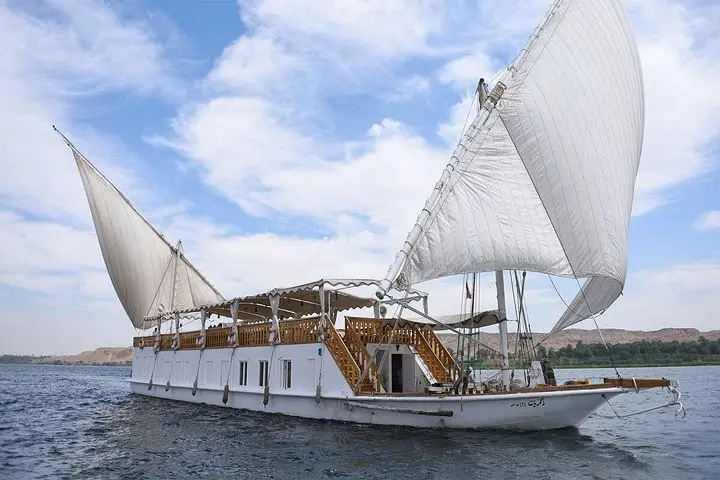
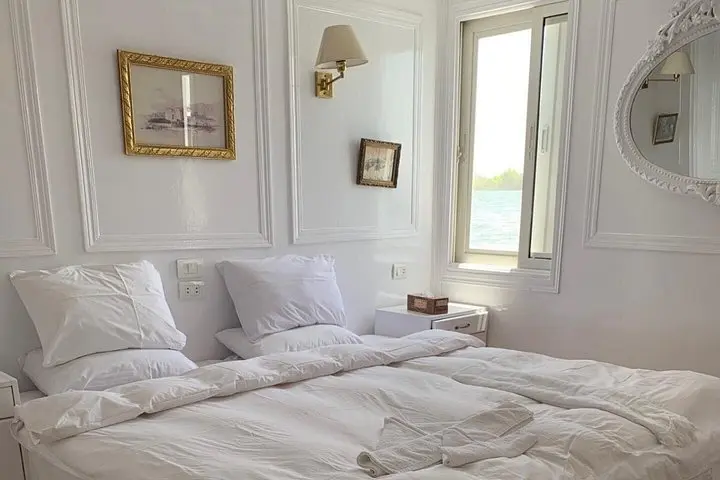
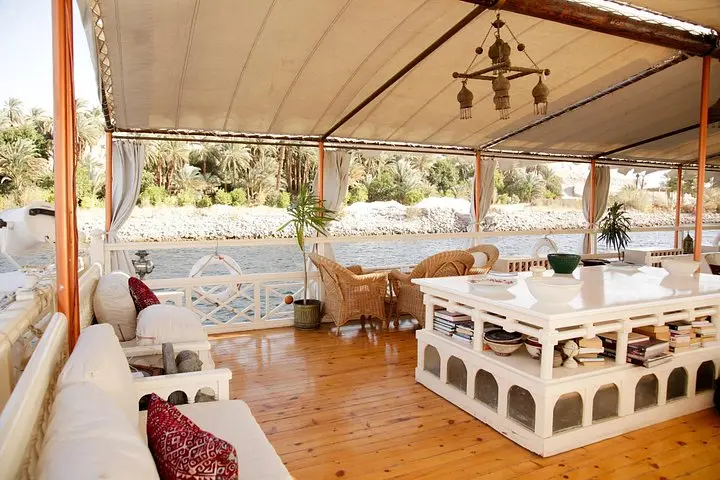
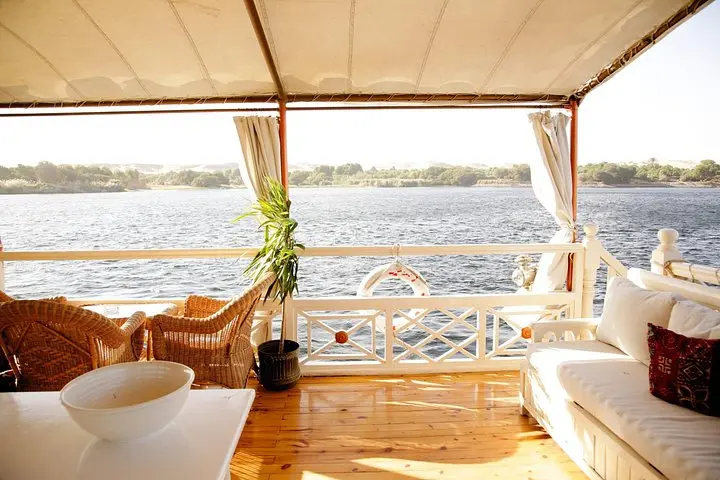
You step onto a low-profile dahabiya as the first light breaks across the Nile—oiled wood underfoot, linen curtains stirring, and a slow exhale of river air. The boat slips away from Luxor’s quay and the city’s noise fades; palms and small farms slide past like pages in a living book. Above, the sun warms the teak deck where guests lean into long, unhurried afternoons.
You step onto a low-profile dahabiya as the first light breaks across the Nile—oiled wood underfoot, linen curtains stirring, and a slow exhale of river air. The boat slips away from Luxor’s quay and the city’s noise fades; palms and small farms slide past like pages in a living book. Above, the sun warms the teak deck where guests lean into long, unhurried afternoons.
This five-day Luxor-to-Aswan voyage follows the same current that fed ancient Egypt. The itinerary threads through the West Bank royal necropolis, the colossal pylons of Edfu, the dual shrine of Kom Ombo, and the island sanctuary of Philae. Geologically, the river carves a ribbon between alluvial floodplain and rugged Nubian sandstone—Gebel el-Silsila’s quarries supply the stone that built the temples you’ll visit. Culturally, expect warm encounters with Nile-side villages and possible stops at Nubian settlements where craft and song remain part of daily life.
Practically, the pace is deliberately slow: many temple visits include short walks and stairs; most terrain is flat but surfaces at archaeological sites are uneven. A private Egyptologist accompanies excursions and full-board dining is included aboard. Plan for early departures to avoid heat and crowds, and for long, still evenings watching the river life go by.
Bring sun protection, comfortable walking shoes, and a small daypack for temple visits. Mobility limitations should be discussed in advance—some sites have steps and minimal handrails. For travelers seeking intimate history, quiet river time, and a gentler way to travel the Nile, the dahabiya delivers an intimate, contemplative passage through Egypt’s landscape and past.