THE ADVENTURE COLLECTIVE® · Independent discovery and booking for outdoor travel

Explore Egypt’s early dynastic heart in one day: Step Pyramid at Sakkara, the open-air museum of Memphis, Dahshur’s Bent and Red Pyramids, then unwind on a traditional felucca along the Nile. Practical tips on timing, gear and what to expect on site.
Explore Egypt’s early dynastic heart in one day: Step Pyramid at Sakkara, the open-air museum of Memphis, Dahshur’s Bent and Red Pyramids, then unwind on a traditional felucca along the Nile. Practical tips on timing, gear and what to expect on site.
Morning light cuts across the desert as your private minivan pulls away from Cairo — the city’s towers fall behind and the wide, stony plain of the West Bank opens up. At Sakkara the Step Pyramid rises like an experiment in stone; at Memphis a colossal Ramses stares out over a skeletal necropolis; at Dahshur the Bent and Red Pyramids show the awkward, brilliant steps of early engineering. Between monuments the Nile waits, pulling you along on a wooden felucca where wind and river set the day’s pace.
Verified experiences and guided adventures in the surrounding area.
Operated by Pharaoh Tours · Cairo, Cairo Governorate
Morning light cuts across the desert as your private minivan pulls away from Cairo — the city’s towers fall behind and the wide, stony plain of the West Bank opens up. At Sakkara the Step Pyramid rises like an experiment in stone; at Memphis a colossal Ramses stares out over a skeletal necropolis; at Dahshur the Bent and Red Pyramids show the awkward, brilliant steps of early engineering. Between monuments the Nile waits, pulling you along on a wooden felucca where wind and river set the day’s pace.
These sites span Egypt’s formative eras: Sakkara’s Old Kingdom tombs mark funerary innovation, Memphis was the political heart from Narmer’s era onward, and Dahshur preserves Sneferu’s trials that led to Giza’s mastery. Geology here is simple — limestone and desert sand — but those materials shaped centuries of construction and ritual. Local guides are often Egyptologists who read inscriptions and point out subtle stylistic shifts that tell political and cultural stories.
Practical side: expect flat walking across uneven sand, short stone ramps and variable shade. Distances between stops are measured in tens of kilometers (Cairo–Dahshur ≈ 40 km); on-site walking is 1–3 km per monument. Start early to avoid heat, carry 2–3 liters of water, wear closed-toe shoes for sandy paths, and bring sun protection. The felucca is a low-impact respite — bring a light jacket for breezy stretches and a small tip for the crew. With good planning this full-day loop mixes archaeology, living culture and a patient river crossing into one coherent Egyptian afternoon.
The tour lists entry fees as optional — confirm with the operator whether tickets are included in your booking or payable on arrival.
The itinerary describes a felucca trip as part of the private tour; smaller groups usually have a dedicated boat but confirm at booking.
Some areas have uneven ground and ramps; the operator notes wheelchair-accessible options—ask in advance to plan routes and vehicle arrangements.
Traditional lunch is listed as optional and can be served onboard or afterward depending on preference and timing.
Pharaoh Tours operates guided outdoor trips and adventures with an emphasis on safety, stewardship, and memorable experiences.
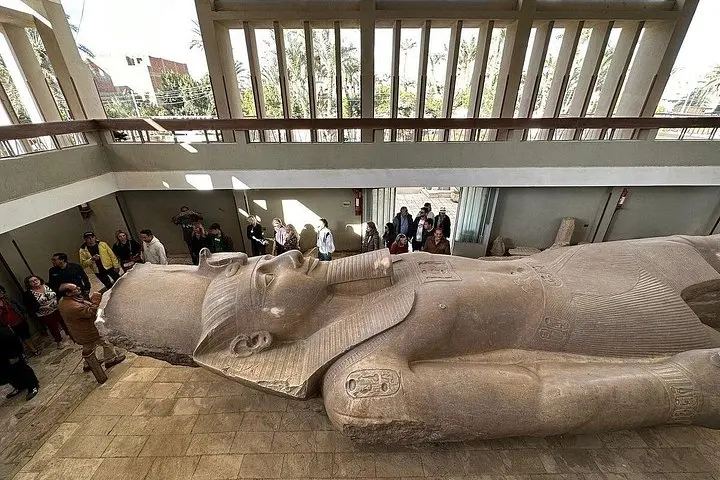
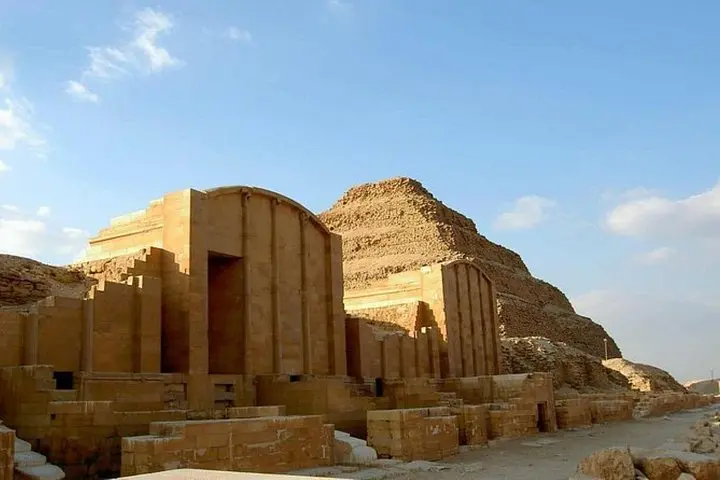
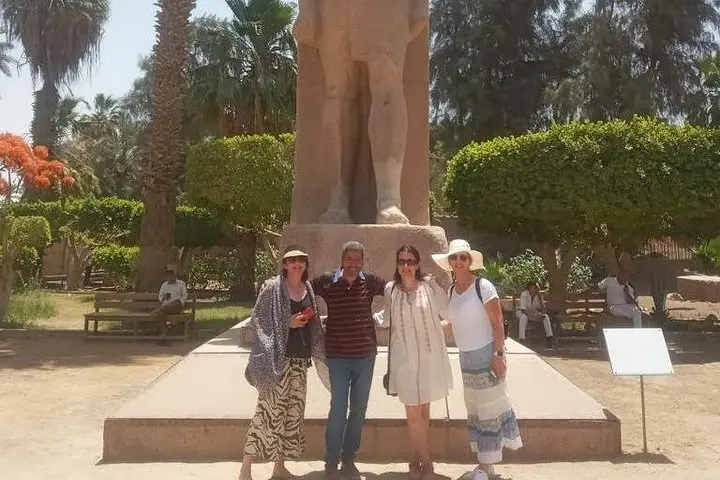
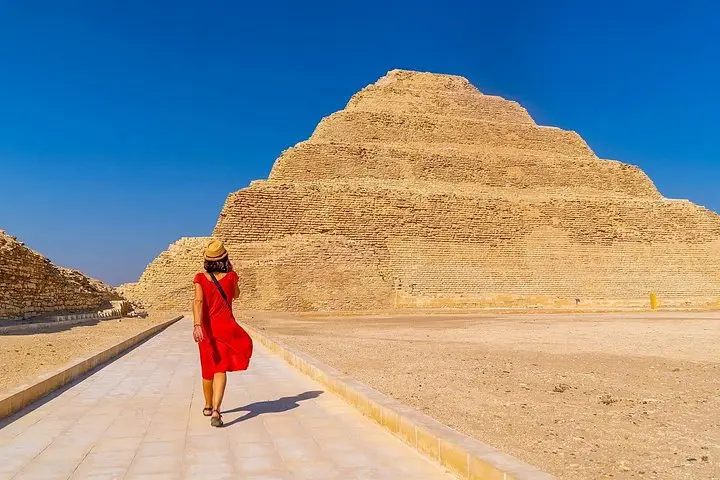
Morning light cuts across the desert as your private minivan pulls away from Cairo — the city’s towers fall behind and the wide, stony plain of the West Bank opens up. At Sakkara the Step Pyramid rises like an experiment in stone; at Memphis a colossal Ramses stares out over a skeletal necropolis; at Dahshur the Bent and Red Pyramids show the awkward, brilliant steps of early engineering. Between monuments the Nile waits, pulling you along on a wooden felucca where wind and river set the day’s pace.
Morning light cuts across the desert as your private minivan pulls away from Cairo — the city’s towers fall behind and the wide, stony plain of the West Bank opens up. At Sakkara the Step Pyramid rises like an experiment in stone; at Memphis a colossal Ramses stares out over a skeletal necropolis; at Dahshur the Bent and Red Pyramids show the awkward, brilliant steps of early engineering. Between monuments the Nile waits, pulling you along on a wooden felucca where wind and river set the day’s pace.
These sites span Egypt’s formative eras: Sakkara’s Old Kingdom tombs mark funerary innovation, Memphis was the political heart from Narmer’s era onward, and Dahshur preserves Sneferu’s trials that led to Giza’s mastery. Geology here is simple — limestone and desert sand — but those materials shaped centuries of construction and ritual. Local guides are often Egyptologists who read inscriptions and point out subtle stylistic shifts that tell political and cultural stories.
Practical side: expect flat walking across uneven sand, short stone ramps and variable shade. Distances between stops are measured in tens of kilometers (Cairo–Dahshur ≈ 40 km); on-site walking is 1–3 km per monument. Start early to avoid heat, carry 2–3 liters of water, wear closed-toe shoes for sandy paths, and bring sun protection. The felucca is a low-impact respite — bring a light jacket for breezy stretches and a small tip for the crew. With good planning this full-day loop mixes archaeology, living culture and a patient river crossing into one coherent Egyptian afternoon.