THE ADVENTURE COLLECTIVE® · Independent discovery and booking for outdoor travel

Explore Mitchell’s Dakota Discovery Museum on a 90‑minute self‑guided tour that combines indoor galleries and a historic prairie village. Expect Native and pioneer art, rotating exhibits, and outdoor structures that require steady footing.
Explore Mitchell’s Dakota Discovery Museum on a 90‑minute self‑guided tour that combines indoor galleries and a historic prairie village. Expect Native and pioneer art, rotating exhibits, and outdoor structures that require steady footing.
You step through the museum doors and the prairie’s low light gives way to galleries that map the region’s human story—tribal art, pioneer tools, and rotating exhibits that shift the focus every few months.
Verified experiences and guided adventures in the surrounding area.
Operated by Dakota Discovery Museum · Mitchell, South Dakota
You step through the museum doors and the prairie’s low light gives way to galleries that map the region’s human story—tribal art, pioneer tools, and rotating exhibits that shift the focus every few months.
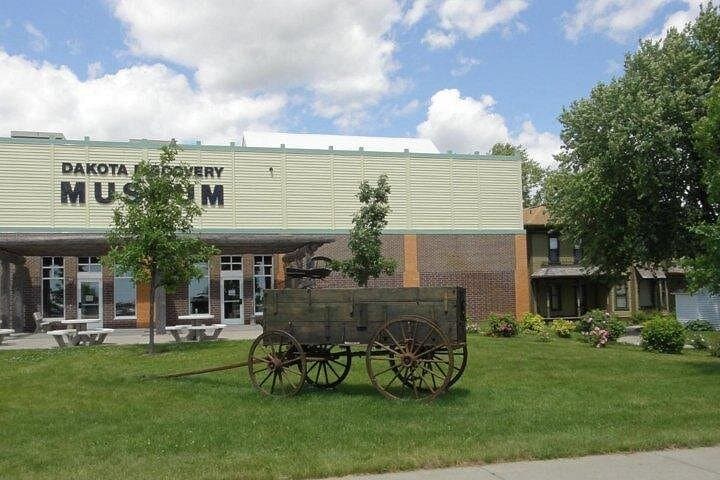
The Dakota Discovery Museum pairs an indoor collection of artifacts and art with an outdoor village: an 110-year-old prairie church, an 1885 one-room schoolhouse, a railroad depot and the Beckwith home. The galleries highlight artists like Oscar Howe and Charles Hargens alongside exhibits that trace settlement, agriculture and Native presence on the plains.
Geologically, this corner of South Dakota sits on glacially smoothed prairie and loess soils, where flat horizons frame steady winds that helped shape settlement patterns and the railroad nodes that follow the line of least resistance. Culturally, visitors encounter Native and pioneer narratives side by side—an opportunity to read regional history through objects, paintings and preserved buildings.
Practical: the self-guided tour runs about 90 minutes; begin in the main building if you prefer climate control, or outside first for cooler mornings. Parts of the village are historic and have uneven floors and steps; stroller or wheelchair access is limited. Mobile or paper tickets are accepted; children must be accompanied by an adult.
Timing matters—mornings are quieter and softer for photographs; summer afternoons can be hot on exposed walkways. Treat exhibits and buildings with care, and plan for 60–120 minutes to fully explore galleries, changing exhibits and the gift shop where framed Oscar Howe prints are sometimes available.
Budget about 60–90 minutes to see the main building, rotating galleries and the outdoor village; linger longer if you browse the gift shop.
Many village structures are historic with uneven floors and steps and are not wheelchair accessible; the main building has more accessible areas but check with staff for specifics.
Mobile or paper tickets are accepted and one ticket is valid per booking; reserve ahead if visiting during peak times.
Children are welcome but must be accompanied by an adult; supervise kids around historic buildings and outdoor areas.
Dakota Discovery Museum operates guided outdoor trips and adventures with an emphasis on safety, stewardship, and memorable experiences.
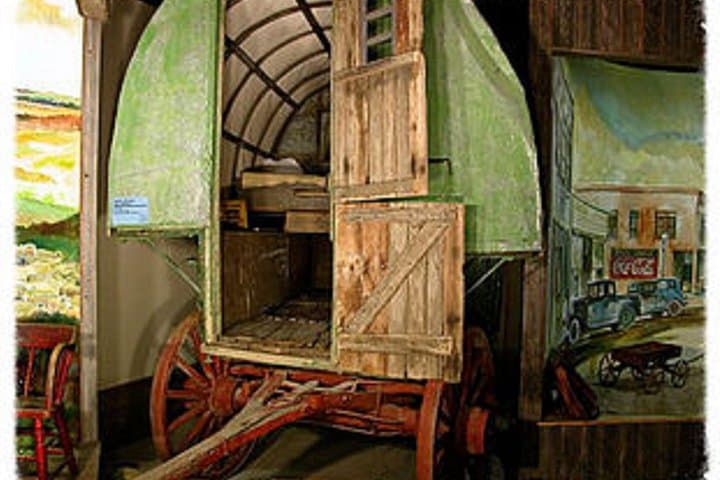
You step through the museum doors and the prairie’s low light gives way to galleries that map the region’s human story—tribal art, pioneer tools, and rotating exhibits that shift the focus every few months.
You step through the museum doors and the prairie’s low light gives way to galleries that map the region’s human story—tribal art, pioneer tools, and rotating exhibits that shift the focus every few months.
The Dakota Discovery Museum pairs an indoor collection of artifacts and art with an outdoor village: an 110-year-old prairie church, an 1885 one-room schoolhouse, a railroad depot and the Beckwith home. The galleries highlight artists like Oscar Howe and Charles Hargens alongside exhibits that trace settlement, agriculture and Native presence on the plains.
Geologically, this corner of South Dakota sits on glacially smoothed prairie and loess soils, where flat horizons frame steady winds that helped shape settlement patterns and the railroad nodes that follow the line of least resistance. Culturally, visitors encounter Native and pioneer narratives side by side—an opportunity to read regional history through objects, paintings and preserved buildings.
Practical: the self-guided tour runs about 90 minutes; begin in the main building if you prefer climate control, or outside first for cooler mornings. Parts of the village are historic and have uneven floors and steps; stroller or wheelchair access is limited. Mobile or paper tickets are accepted; children must be accompanied by an adult.
Timing matters—mornings are quieter and softer for photographs; summer afternoons can be hot on exposed walkways. Treat exhibits and buildings with care, and plan for 60–120 minutes to fully explore galleries, changing exhibits and the gift shop where framed Oscar Howe prints are sometimes available.