THE ADVENTURE COLLECTIVE® · Independent discovery and booking for outdoor travel

A full-day private tour from Kathmandu that pairs Dakshinkali’s intense Hindu rites with Pharping’s Buddhist caves and monasteries. Expect short hikes, stepped approaches, and close-up cultural encounters—ideal for travelers who want history, geology, and living ritual in one day.
A full-day private tour from Kathmandu that pairs Dakshinkali’s intense Hindu rites with Pharping’s Buddhist caves and monasteries. Expect short hikes, stepped approaches, and close-up cultural encounters—ideal for travelers who want history, geology, and living ritual in one day.
Morning light slants down the valley as the van slips south from Kathmandu, the air cooling and the shrines multiplying along the roadside. By midmorning the group disembarks at Dakshinkali, where the goddess Kali’s temple sits on a steep, raw slope above a river channel—clotted offerings and bright cloths mark a living ritual landscape. The guide moves the itinerary along: a soot-dark meditation cave attributed to Guru Padmasambhava, compact monasteries with butter lamps, and the low, ancient stones of Seshnarayan Temple that face the broad sweep of the Kathmandu basin.
Verified experiences and guided adventures in the surrounding area.
Operated by Altitude Himalaya · Kathmandu, Bagmati Province
Morning light slants down the valley as the van slips south from Kathmandu, the air cooling and the shrines multiplying along the roadside. By midmorning the group disembarks at Dakshinkali, where the goddess Kali’s temple sits on a steep, raw slope above a river channel—clotted offerings and bright cloths mark a living ritual landscape. The guide moves the itinerary along: a soot-dark meditation cave attributed to Guru Padmasambhava, compact monasteries with butter lamps, and the low, ancient stones of Seshnarayan Temple that face the broad sweep of the Kathmandu basin.
This one-day loop stitches Hindu and Buddhist layers of history: Licchavi-era foundations at Seshnarayan, tantric practices at Dakshinkali, and later Tibetan-influenced monasteries tucked into Pharping’s gullies. Geology here is plain—limestone gorges and a narrow outlet at Chobhar that, according to legend, drained the ancient lake that once filled the valley. Cultural encounters are direct; expect vivid ritual, small monastic courtyards, and local vendors selling prasad and incense.
Practical guidance: the tour runs 8–9 hours with short walks and many steps—comfortable, modest clothing is required at all temples. Photography is allowed in most outdoor areas but is restricted inside some sanctums; follow your guide. Hydrate, wear grippy shoes for cave approaches, and carry small cash for local donations or tea. The experience is equal parts archaeology and contemporary worship: bring curiosity, respect, and patience for solemn moments and noisy offerings alike.
Most temples do not require a formal entrance fee; the tour price typically covers transport and guiding—bring small cash for donations and offerings.
Yes—infants may sit on laps and the tour is physically easy, but some ritual scenes (animal sacrifices) can be distressing for young children.
Transport and several shrine sites are accessible, but caves and stepped temple areas require mobility and may not be fully wheelchair friendly.
Taudaha and Chobhar are often included or can be added to the itinerary; confirm with the operator when booking.
Altitude Himalaya operates guided outdoor trips and adventures with an emphasis on safety, stewardship, and memorable experiences.
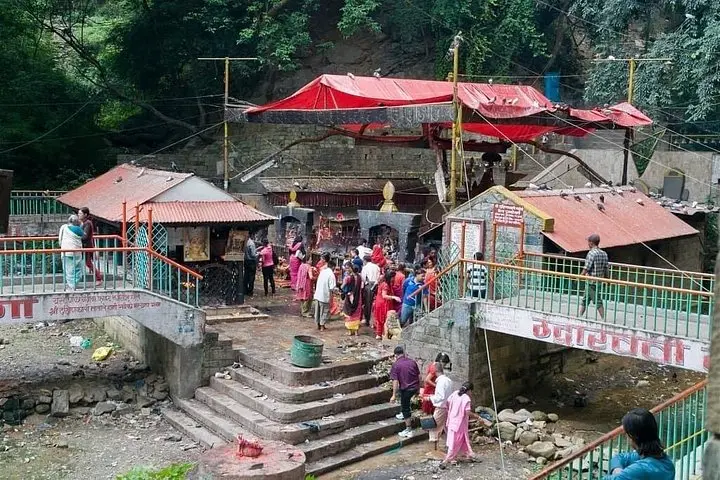
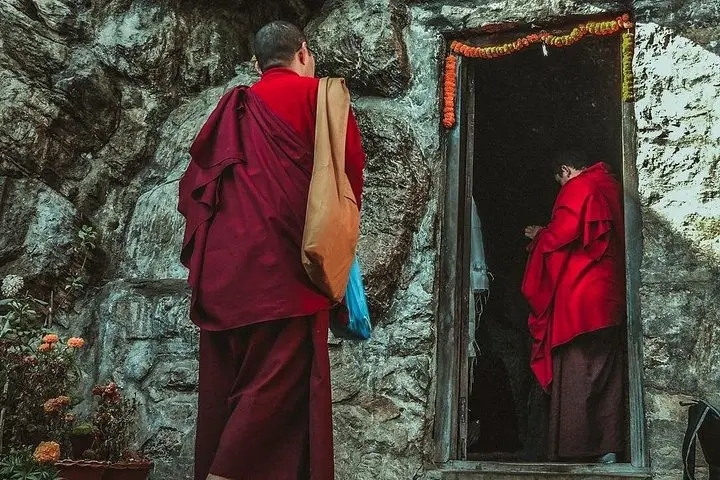
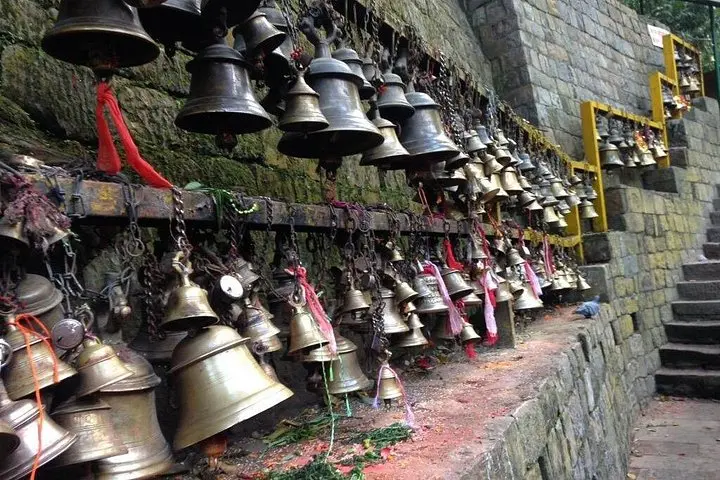
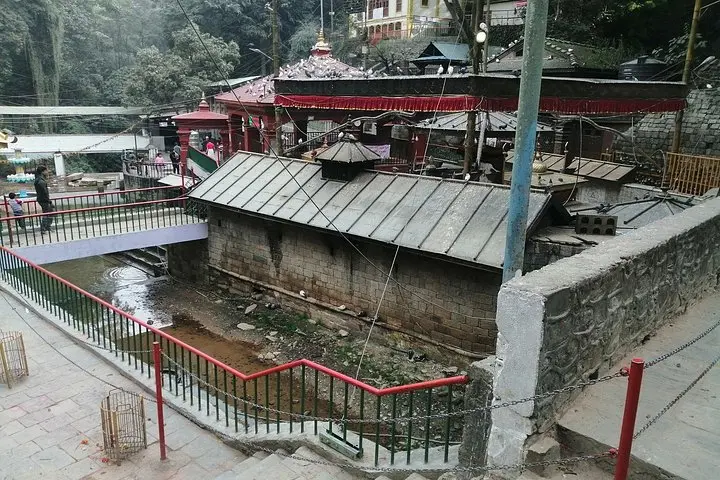
Morning light slants down the valley as the van slips south from Kathmandu, the air cooling and the shrines multiplying along the roadside. By midmorning the group disembarks at Dakshinkali, where the goddess Kali’s temple sits on a steep, raw slope above a river channel—clotted offerings and bright cloths mark a living ritual landscape. The guide moves the itinerary along: a soot-dark meditation cave attributed to Guru Padmasambhava, compact monasteries with butter lamps, and the low, ancient stones of Seshnarayan Temple that face the broad sweep of the Kathmandu basin.
Morning light slants down the valley as the van slips south from Kathmandu, the air cooling and the shrines multiplying along the roadside. By midmorning the group disembarks at Dakshinkali, where the goddess Kali’s temple sits on a steep, raw slope above a river channel—clotted offerings and bright cloths mark a living ritual landscape. The guide moves the itinerary along: a soot-dark meditation cave attributed to Guru Padmasambhava, compact monasteries with butter lamps, and the low, ancient stones of Seshnarayan Temple that face the broad sweep of the Kathmandu basin.
This one-day loop stitches Hindu and Buddhist layers of history: Licchavi-era foundations at Seshnarayan, tantric practices at Dakshinkali, and later Tibetan-influenced monasteries tucked into Pharping’s gullies. Geology here is plain—limestone gorges and a narrow outlet at Chobhar that, according to legend, drained the ancient lake that once filled the valley. Cultural encounters are direct; expect vivid ritual, small monastic courtyards, and local vendors selling prasad and incense.
Practical guidance: the tour runs 8–9 hours with short walks and many steps—comfortable, modest clothing is required at all temples. Photography is allowed in most outdoor areas but is restricted inside some sanctums; follow your guide. Hydrate, wear grippy shoes for cave approaches, and carry small cash for local donations or tea. The experience is equal parts archaeology and contemporary worship: bring curiosity, respect, and patience for solemn moments and noisy offerings alike.