THE ADVENTURE COLLECTIVE® · Independent discovery and booking for outdoor travel

A six-day hill-country loop from Delhi to Dalhousie, Khajjiar, Chamba and McLeodganj that balances short walks, cultural sites and roadside vistas. Expect cedar forests, a broad meadow at Khajjiar and Tibetan cultural centers in McLeodganj.
A six-day hill-country loop from Delhi to Dalhousie, Khajjiar, Chamba and McLeodganj that balances short walks, cultural sites and roadside vistas. Expect cedar forests, a broad meadow at Khajjiar and Tibetan cultural centers in McLeodganj.
The bus pulls out of Delhi under a bank of sodium lights and, by dawn, the air has sharpened into cedar and cold—Dharamshala's foothills opening like a map of slopes and switchbacks. By the second day you arrive in Dalhousie; the town's tiered streets and old British bungalows sit high enough that clouds pass like visitors.
Verified experiences and guided adventures in the surrounding area.
Operated by Travel Component · Dalhousie, Himachal Pradesh
The bus pulls out of Delhi under a bank of sodium lights and, by dawn, the air has sharpened into cedar and cold—Dharamshala's foothills opening like a map of slopes and switchbacks. By the second day you arrive in Dalhousie; the town's tiered streets and old British bungalows sit high enough that clouds pass like visitors.
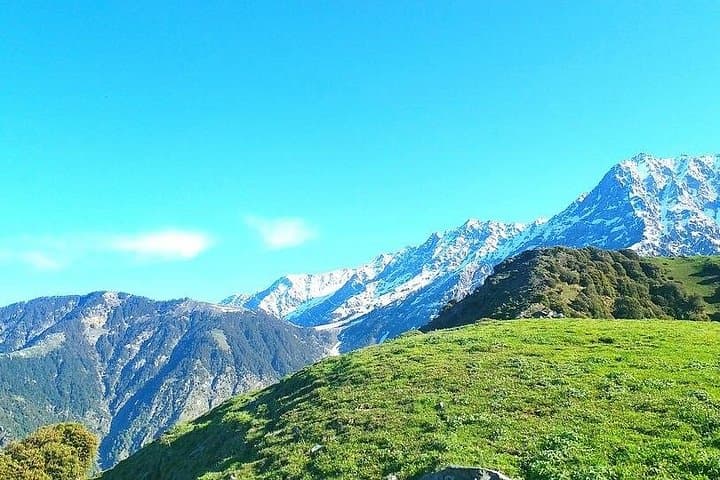
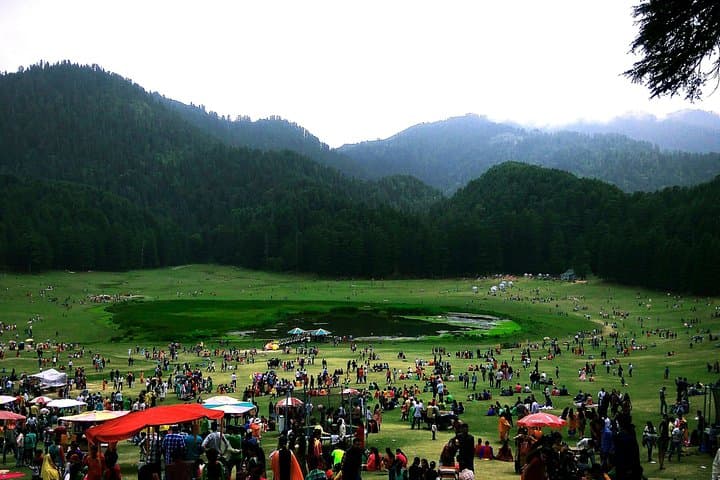
Khajjiar, often called "Mini Switzerland," is a broad glade at about 1,960 m ringed by Deodar forests. Its grassy circumference (roughly 5 km) invites easy walks and low-angle views of conifers where the seasonal snow line perches above the trees. Nearby Chamba (approx. 915 m), carved into the Ravi River valley, dates to princely-state times and is notable for its temple art and finely carved woodwork. McLeodganj—Dharamshala's upper quarter—adds Tibetan culture and monasteries; Palampur’s tea gardens explain the region’s agricultural life.
Geologically, you're on the lower Himalaya: folded sedimentary rocks, steep river-cut valleys and friable slopes that dictate road routes and microclimates. Culturally expect a mix of Himachali hill town life and Tibetan-in-exile influences, with small markets, traditional wood architecture and temple shrines like Khajjiar Nag with its 12th-century wooden icons.
Practical guide: the 6-day loop is mostly road travel (Delhi–Dharamshala ~566 km, Dharamshala–Dalhousie ~124 km). Altitudes shift from ~900 m (Chamba) to ~2,000 m (Khajjiar/Dalhousie), so pace your first day, drink water and layer for quick temperature swings. Comfortable walking shoes handle meadow grasses and village lanes; expect cool nights even in summer. Private A/C transport and hotel pick-up/drop-off are included; plan early departures for better light and avoid heavy monsoon rains for safer driving.
The organized itinerary uses an A/C Volvo bus covering about 566 km—plan for roughly 11–13 hours depending on traffic and stops.
Altitude changes are moderate; most travelers adjust by resting on arrival and staying hydrated, but those sensitive to altitude should move slowly and consult a doctor if concerned.
The package description notes sightseeing but does not specify museum or temple fees; check with the operator for any admission costs.
Summer (May–June) is mild with cool nights; monsoon brings rain and slippery roads; winter has cold nights and possible snowfall at higher spots like Khajjiar.
Travel Component operates guided outdoor trips and adventures with an emphasis on safety, stewardship, and memorable experiences.

The bus pulls out of Delhi under a bank of sodium lights and, by dawn, the air has sharpened into cedar and cold—Dharamshala's foothills opening like a map of slopes and switchbacks. By the second day you arrive in Dalhousie; the town's tiered streets and old British bungalows sit high enough that clouds pass like visitors.
The bus pulls out of Delhi under a bank of sodium lights and, by dawn, the air has sharpened into cedar and cold—Dharamshala's foothills opening like a map of slopes and switchbacks. By the second day you arrive in Dalhousie; the town's tiered streets and old British bungalows sit high enough that clouds pass like visitors.
Khajjiar, often called "Mini Switzerland," is a broad glade at about 1,960 m ringed by Deodar forests. Its grassy circumference (roughly 5 km) invites easy walks and low-angle views of conifers where the seasonal snow line perches above the trees. Nearby Chamba (approx. 915 m), carved into the Ravi River valley, dates to princely-state times and is notable for its temple art and finely carved woodwork. McLeodganj—Dharamshala's upper quarter—adds Tibetan culture and monasteries; Palampur’s tea gardens explain the region’s agricultural life.
Geologically, you're on the lower Himalaya: folded sedimentary rocks, steep river-cut valleys and friable slopes that dictate road routes and microclimates. Culturally expect a mix of Himachali hill town life and Tibetan-in-exile influences, with small markets, traditional wood architecture and temple shrines like Khajjiar Nag with its 12th-century wooden icons.
Practical guide: the 6-day loop is mostly road travel (Delhi–Dharamshala ~566 km, Dharamshala–Dalhousie ~124 km). Altitudes shift from ~900 m (Chamba) to ~2,000 m (Khajjiar/Dalhousie), so pace your first day, drink water and layer for quick temperature swings. Comfortable walking shoes handle meadow grasses and village lanes; expect cool nights even in summer. Private A/C transport and hotel pick-up/drop-off are included; plan early departures for better light and avoid heavy monsoon rains for safer driving.