THE ADVENTURE COLLECTIVE® · Independent discovery and booking for outdoor travel

Spend two days between Cangshan’s ridgelines and Erhai’s mirror waters: a morning hike along Jade Belt Road, a visit to Xizhou market, a lake cruise, and the ancient Three Pagodas. This compact itinerary pairs active scenery with Bai cultural highlights.
Spend two days between Cangshan’s ridgelines and Erhai’s mirror waters: a morning hike along Jade Belt Road, a visit to Xizhou market, a lake cruise, and the ancient Three Pagodas. This compact itinerary pairs active scenery with Bai cultural highlights.
A cable car hums up Cangshan and the wind that gives Dali its nickname nudges your jacket as the valley opens: terraces, streams, and the jade-belt road cutting along the mountain’s shoulder. On day one you trade town alleys for jagged ridgelines — walking roughly 9.8 km along Jade Belt Road past 18 streams and views that pin Erhai Lake like a blue coin below. The terrain blends paved sections, packed dirt, and short rocky stairways; chairlift or cable car options bookend the hike.
Verified experiences and guided adventures in the surrounding area.
Operated by China Kongfu Panda tour · Dali, Yunnan
A cable car hums up Cangshan and the wind that gives Dali its nickname nudges your jacket as the valley opens: terraces, streams, and the jade-belt road cutting along the mountain’s shoulder. On day one you trade town alleys for jagged ridgelines — walking roughly 9.8 km along Jade Belt Road past 18 streams and views that pin Erhai Lake like a blue coin below. The terrain blends paved sections, packed dirt, and short rocky stairways; chairlift or cable car options bookend the hike.
The region carries deep layers of history. Dali was the seat of the Nanzhao and later Dali Kingdoms; the Three Pagodas date back to the Tang dynasty and mark the area's Buddhist legacy. Geologically, Cangshan rises from the Yunnan–Guizhou plateau with frequent spring-fed waterfalls and a range that tops out at Malong Peak (about 4,122 m).
Day two slows to market rhythms and lake light: Xizhou’s morning market and Bai minority crafts, then a one- to two-hour cruise on Erhai — the lake that shapes Dali’s microclimate and agricultural plain. Finish with the stoic brick-and-stone Three Pagodas and a return to town.
Practical guide: expect 4–6 hours of walking on day one with variable elevation (bring layers for wind and sun). Carry snacks, 1–2 L water, and sturdy footwear; some sections are exposed. Best seasons are spring–autumn for clear views; winter is mild but windy. The two-day itinerary balances active hiking with cultural stops, making it accessible for regular walkers who want a compact introduction to Dali’s mountains, lake, and living traditions.
The planned route covers about 9.8 km with mixed terrain and some steep sections; it’s moderate—no technical climbing—but requires good footwear and steady pacing.
Yes; lake cruises are low-impact, typically 1–2 hours, and safe for most travelers though those prone to seasickness should prepare accordingly.
Dali sits around 1,970 m and Cangshan summits are much higher; most visitors feel fine, but if you have serious cardio issues take it easy and consult your guide if you feel unwell.
Yes, the tour includes an English/Chinese speaking guide and private transfers as listed in the itinerary.
China Kongfu Panda tour operates guided outdoor trips and adventures with an emphasis on safety, stewardship, and memorable experiences.
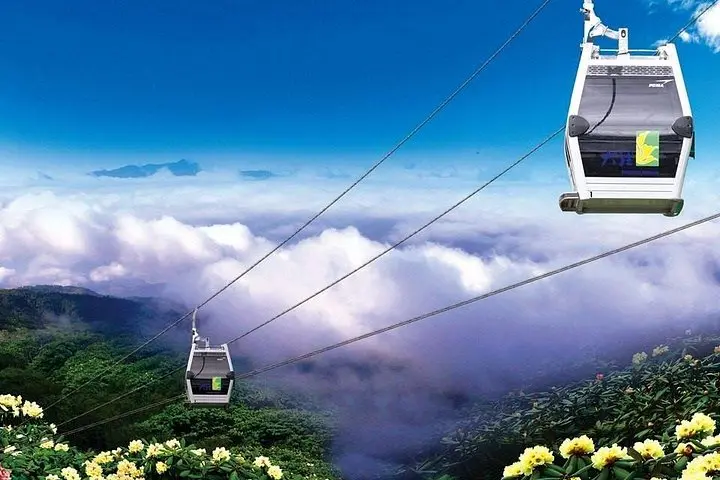
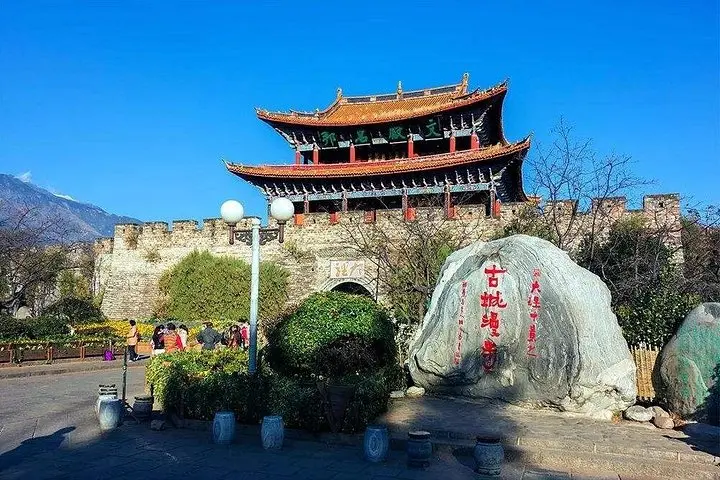
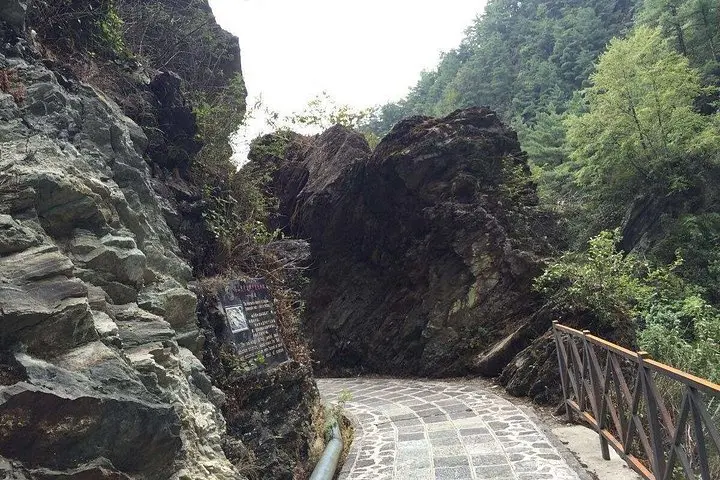
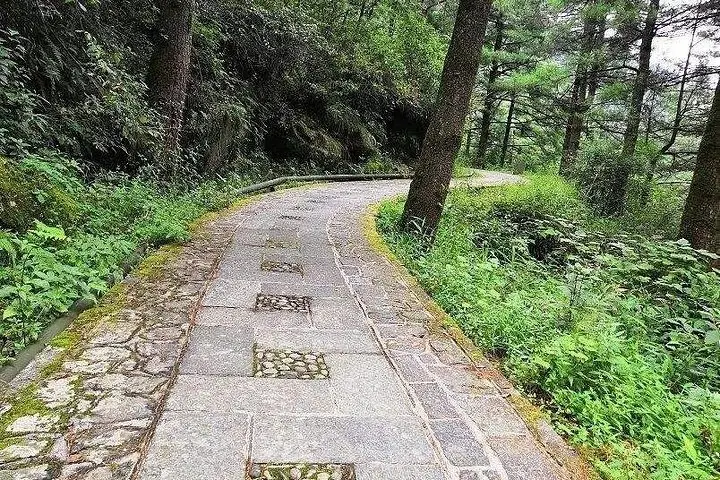
A cable car hums up Cangshan and the wind that gives Dali its nickname nudges your jacket as the valley opens: terraces, streams, and the jade-belt road cutting along the mountain’s shoulder. On day one you trade town alleys for jagged ridgelines — walking roughly 9.8 km along Jade Belt Road past 18 streams and views that pin Erhai Lake like a blue coin below. The terrain blends paved sections, packed dirt, and short rocky stairways; chairlift or cable car options bookend the hike.
A cable car hums up Cangshan and the wind that gives Dali its nickname nudges your jacket as the valley opens: terraces, streams, and the jade-belt road cutting along the mountain’s shoulder. On day one you trade town alleys for jagged ridgelines — walking roughly 9.8 km along Jade Belt Road past 18 streams and views that pin Erhai Lake like a blue coin below. The terrain blends paved sections, packed dirt, and short rocky stairways; chairlift or cable car options bookend the hike.
The region carries deep layers of history. Dali was the seat of the Nanzhao and later Dali Kingdoms; the Three Pagodas date back to the Tang dynasty and mark the area's Buddhist legacy. Geologically, Cangshan rises from the Yunnan–Guizhou plateau with frequent spring-fed waterfalls and a range that tops out at Malong Peak (about 4,122 m).
Day two slows to market rhythms and lake light: Xizhou’s morning market and Bai minority crafts, then a one- to two-hour cruise on Erhai — the lake that shapes Dali’s microclimate and agricultural plain. Finish with the stoic brick-and-stone Three Pagodas and a return to town.
Practical guide: expect 4–6 hours of walking on day one with variable elevation (bring layers for wind and sun). Carry snacks, 1–2 L water, and sturdy footwear; some sections are exposed. Best seasons are spring–autumn for clear views; winter is mild but windy. The two-day itinerary balances active hiking with cultural stops, making it accessible for regular walkers who want a compact introduction to Dali’s mountains, lake, and living traditions.