THE ADVENTURE COLLECTIVE® · Independent discovery and booking for outdoor travel

A compact, high‑adrenaline tour from Puerto Plata that pairs five ziplines with hiking, river slides and jumps through the famous 27 Charcos. Expect rainforest trails, slick rock, and a Dominican lunch at basecamp.
A compact, high‑adrenaline tour from Puerto Plata that pairs five ziplines with hiking, river slides and jumps through the famous 27 Charcos. Expect rainforest trails, slick rock, and a Dominican lunch at basecamp.
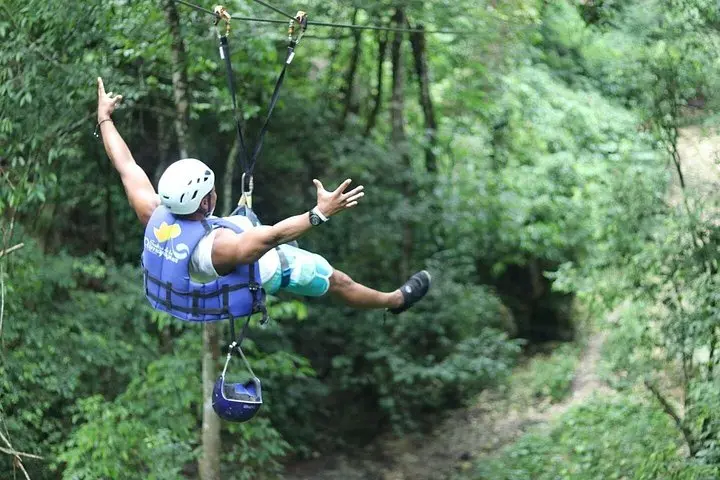
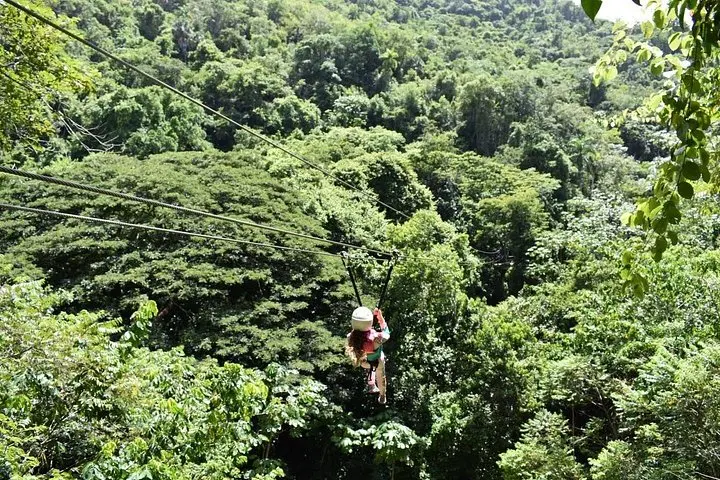
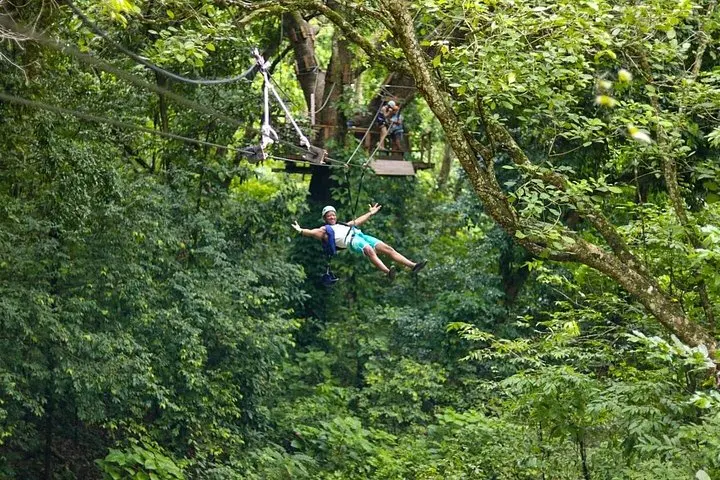
The minivan eases off the coastal highway and the air changes—thick, green and carrying the distant percussion of water. A short drive from Puerto Plata shoves the Atlantic into the rearview and pushes you into a canyon where the river dares you to come closer. Guides in navy T‑shirts check helmets and harnesses while the rainforest tightens its canopy overhead: the first zip line sits above a seam of rock and water, a sudden corridor of speed and spray.
Verified experiences and guided adventures in the surrounding area.
Operated by Edwin Transfers Tours · Puerto Plata, Puerto Plata Province
The minivan eases off the coastal highway and the air changes—thick, green and carrying the distant percussion of water. A short drive from Puerto Plata shoves the Atlantic into the rearview and pushes you into a canyon where the river dares you to come closer. Guides in navy T‑shirts check helmets and harnesses while the rainforest tightens its canopy overhead: the first zip line sits above a seam of rock and water, a sudden corridor of speed and spray.
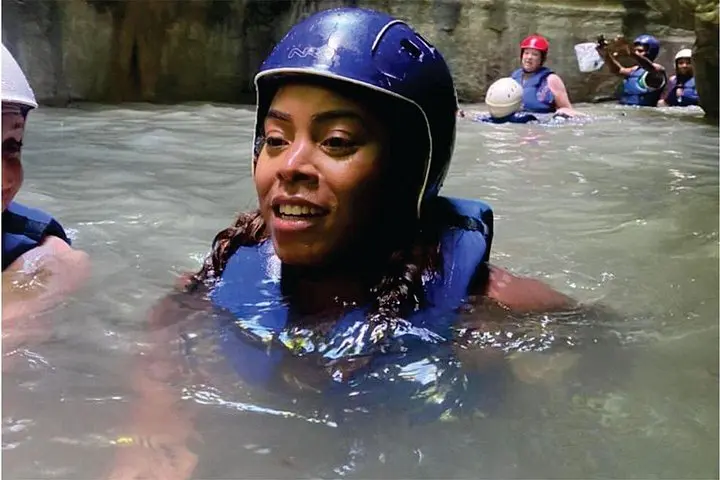
This is Damajagua—often called the 27 Charcos—an official protected site in the northern mountain range of the Dominican Republic. Geologically, the area is carved from volcanic and limestone formations; tectonic uplift and persistent river incision have shaped a stair-step of cascades and polished pools. Though the park contains 27 named falls, the typical tour threads through seven primary cascades: a compact route of hikes, rope bridges, zip lines and river slides that compresses raw terrain into a four-hour loop.
Culturally the place carries echoes of the Taíno people, whose oral histories keyed them to springs and river paths long before tourism. Today local operators knit that past into the experience—guides often point out stones and grottos with whispered legends and practical advice on safe jump spots.
The activity itself moves fast: expect a rainforest approach of roughly 20–40 minutes (about 1–1.5 km) with an elevation gain near 100–150 m, leading to a zipline circuit of five lines spanning gullies and waterfalls, two rope bridges, and then the cascade descent—sliding, swimming and controlled jumps into river pools. Terrain is uneven and slick: polished rock, moss seams, and irregular steps demand sturdy footwear and stable footing. The tour finishes back at basecamp with a typical Dominican lunch, water, and the return transfer.
Practical guide: arrive with water, reef- or closed-toe shoes that grip wet rock, and a dry bag for phone and layers. If you’re bookending with a cruise, follow the operator’s pickup timing—ships and ports factor into departure windows. The activity suits families with children 8+ and travelers who are comfortable with heights and basic swimming; it is not recommended for those with spinal, heart, or pregnancy restrictions.
Timing matters—mornings are cooler and the pools clearer; after heavy rain the guides may cancel for safety. Respect the site: follow guide instructions for jump zones, avoid sunscreen in pools that can harm aquatic life, and stick to marked trails. Done right, this combination of ziplines and waterfall hiking is kinetic, local, and elemental—the river keeps pushing you forward, and the canyon insists you pay attention.
The rainforest approach is typically 20–40 minutes (about 1–1.5 km) with uneven, sometimes steep sections—expect some scrambling over rocks.
Yes; guides provide briefings and supervise all jumps. You should be comfortable with heights and able to follow instructions — basic swimming ability is recommended.
Children 8 years and older can usually participate; final approval is at the guide’s discretion depending on the child’s size and comfort level.
The operator may cancel for heavy rain or unsafe river conditions; cancellations more than 24 hours allow a full refund per policy.
Most operators provide a basic area to leave non‑valuable items at basecamp, but use a dry bag and minimize valuables — bring only essentials.
The tour includes private transportation and lists pickup points for Amber Cove, Taino Bay and many Puerto Plata hotels; confirm your pickup location when booking.
Edwin Transfers Tours operates guided outdoor trips and adventures with an emphasis on safety, stewardship, and memorable experiences.
The minivan eases off the coastal highway and the air changes—thick, green and carrying the distant percussion of water. A short drive from Puerto Plata shoves the Atlantic into the rearview and pushes you into a canyon where the river dares you to come closer. Guides in navy T‑shirts check helmets and harnesses while the rainforest tightens its canopy overhead: the first zip line sits above a seam of rock and water, a sudden corridor of speed and spray.
The minivan eases off the coastal highway and the air changes—thick, green and carrying the distant percussion of water. A short drive from Puerto Plata shoves the Atlantic into the rearview and pushes you into a canyon where the river dares you to come closer. Guides in navy T‑shirts check helmets and harnesses while the rainforest tightens its canopy overhead: the first zip line sits above a seam of rock and water, a sudden corridor of speed and spray.
This is Damajagua—often called the 27 Charcos—an official protected site in the northern mountain range of the Dominican Republic. Geologically, the area is carved from volcanic and limestone formations; tectonic uplift and persistent river incision have shaped a stair-step of cascades and polished pools. Though the park contains 27 named falls, the typical tour threads through seven primary cascades: a compact route of hikes, rope bridges, zip lines and river slides that compresses raw terrain into a four-hour loop.
Culturally the place carries echoes of the Taíno people, whose oral histories keyed them to springs and river paths long before tourism. Today local operators knit that past into the experience—guides often point out stones and grottos with whispered legends and practical advice on safe jump spots.
The activity itself moves fast: expect a rainforest approach of roughly 20–40 minutes (about 1–1.5 km) with an elevation gain near 100–150 m, leading to a zipline circuit of five lines spanning gullies and waterfalls, two rope bridges, and then the cascade descent—sliding, swimming and controlled jumps into river pools. Terrain is uneven and slick: polished rock, moss seams, and irregular steps demand sturdy footwear and stable footing. The tour finishes back at basecamp with a typical Dominican lunch, water, and the return transfer.
Practical guide: arrive with water, reef- or closed-toe shoes that grip wet rock, and a dry bag for phone and layers. If you’re bookending with a cruise, follow the operator’s pickup timing—ships and ports factor into departure windows. The activity suits families with children 8+ and travelers who are comfortable with heights and basic swimming; it is not recommended for those with spinal, heart, or pregnancy restrictions.
Timing matters—mornings are cooler and the pools clearer; after heavy rain the guides may cancel for safety. Respect the site: follow guide instructions for jump zones, avoid sunscreen in pools that can harm aquatic life, and stick to marked trails. Done right, this combination of ziplines and waterfall hiking is kinetic, local, and elemental—the river keeps pushing you forward, and the canyon insists you pay attention.