THE ADVENTURE COLLECTIVE® · Independent discovery and booking for outdoor travel

Glide quiet channels among mangrove roots to watch capuchin monkeys, herons and crocodiles in one of Costa Rica’s richest estuaries. This accessible 2–3 hour boat tour from Manuel Antonio offers close — and responsibly guided — wildlife viewing for families and nature lovers.
Glide quiet channels among mangrove roots to watch capuchin monkeys, herons and crocodiles in one of Costa Rica’s richest estuaries. This accessible 2–3 hour boat tour from Manuel Antonio offers close — and responsibly guided — wildlife viewing for families and nature lovers.
The boat slips forward under a low canopy of twisted roots; water beads on a hull and the mangrove seems to breathe around you. White-faced capuchins vault between branches, herons hold patient stances on exposed roots, and a crocodile’s back breaks the water like a dark, deliberate log. The channel narrows, the guide eases the throttle, and the forest leans close enough to feel the salt and mud on the breeze.
Verified experiences and guided adventures in the surrounding area.
Operated by Tours guiados en Manuel Antonio con interpreters of the nature CR · Quepos, Puntarenas
The boat slips forward under a low canopy of twisted roots; water beads on a hull and the mangrove seems to breathe around you. White-faced capuchins vault between branches, herons hold patient stances on exposed roots, and a crocodile’s back breaks the water like a dark, deliberate log. The channel narrows, the guide eases the throttle, and the forest leans close enough to feel the salt and mud on the breeze.
This stretch of Pacific coast is shaped by estuaries and sediment — mangrove forests that trap soil, buffer storms, and feed a web of life. Human history here centers on small fishing communities around Quepos and Manuel Antonio, where livelihoods have long depended on the estuary’s productivity. Contemporary guides often combine local fishing knowledge with conservation-minded practices born from Costa Rica’s strong eco-tourism ethic.
Expect calm, slow-water travel in a fully equipped open boat for about 2–3 hours, focused on spotting monkeys, crocodiles/caimans, wading birds, and reptiles. Guides point out the distinctive red, black and white mangrove species, explain tidal rhythms, and decode animal behavior.
Practical notes: book morning departures for cooler light and more active wildlife; wear non-slip shoes, a hat, reef-safe sunscreen and insect repellent; bring binoculars and a camera with a zoom lens. Maintain distance and follow the guide’s instructions—wildlife sightings are best when animals are left undisturbed. The tour is family- and wheelchair-accessible, making it a straightforward option for most travelers seeking a close, low-effort encounter with Costa Rica’s coastal ecosystems.
Tours run approximately 2–3 hours, typically including transport time to the launch point depending on where you’re staying.
Yes — boats are equipped for family groups and the operator lists wheelchair accessibility and stroller-friendly policies; check specifics when booking for assistance needs.
Common sightings include white-faced capuchin monkeys, howler monkeys, various herons and egrets, iguanas, and estuarine crocodiles/caimans — sightings depend on season and tide.
The mangrove channels are generally calm, but if you’re prone to motion sickness, take preventative medication and sit near the center of the boat.
Tours guiados en Manuel Antonio con interpreters of the nature CR operates guided outdoor trips and adventures with an emphasis on safety, stewardship, and memorable experiences.


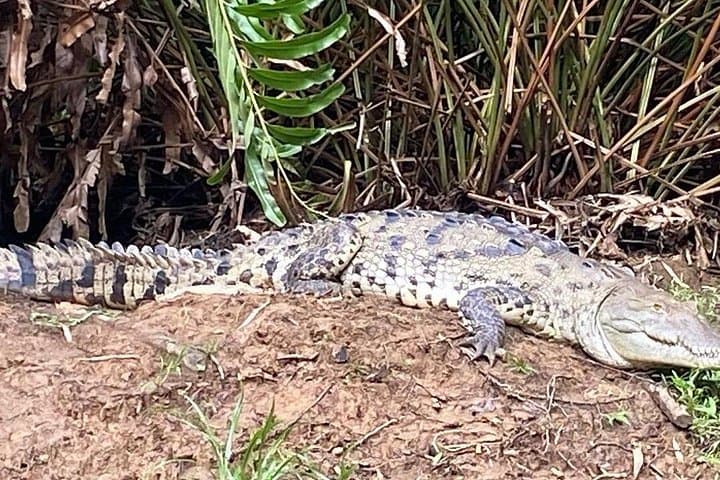

The boat slips forward under a low canopy of twisted roots; water beads on a hull and the mangrove seems to breathe around you. White-faced capuchins vault between branches, herons hold patient stances on exposed roots, and a crocodile’s back breaks the water like a dark, deliberate log. The channel narrows, the guide eases the throttle, and the forest leans close enough to feel the salt and mud on the breeze.
The boat slips forward under a low canopy of twisted roots; water beads on a hull and the mangrove seems to breathe around you. White-faced capuchins vault between branches, herons hold patient stances on exposed roots, and a crocodile’s back breaks the water like a dark, deliberate log. The channel narrows, the guide eases the throttle, and the forest leans close enough to feel the salt and mud on the breeze.
This stretch of Pacific coast is shaped by estuaries and sediment — mangrove forests that trap soil, buffer storms, and feed a web of life. Human history here centers on small fishing communities around Quepos and Manuel Antonio, where livelihoods have long depended on the estuary’s productivity. Contemporary guides often combine local fishing knowledge with conservation-minded practices born from Costa Rica’s strong eco-tourism ethic.
Expect calm, slow-water travel in a fully equipped open boat for about 2–3 hours, focused on spotting monkeys, crocodiles/caimans, wading birds, and reptiles. Guides point out the distinctive red, black and white mangrove species, explain tidal rhythms, and decode animal behavior.
Practical notes: book morning departures for cooler light and more active wildlife; wear non-slip shoes, a hat, reef-safe sunscreen and insect repellent; bring binoculars and a camera with a zoom lens. Maintain distance and follow the guide’s instructions—wildlife sightings are best when animals are left undisturbed. The tour is family- and wheelchair-accessible, making it a straightforward option for most travelers seeking a close, low-effort encounter with Costa Rica’s coastal ecosystems.