THE ADVENTURE COLLECTIVE® · Independent discovery and booking for outdoor travel

Glide through Isla Damas’s maze of roots and channels on a wildlife-focused boat tour from Quepos. This easy, 2–4 hour cruise puts mangrove ecology, birds and elusive mammals within view—ideal for photographers and families.
Glide through Isla Damas’s maze of roots and channels on a wildlife-focused boat tour from Quepos. This easy, 2–4 hour cruise puts mangrove ecology, birds and elusive mammals within view—ideal for photographers and families.
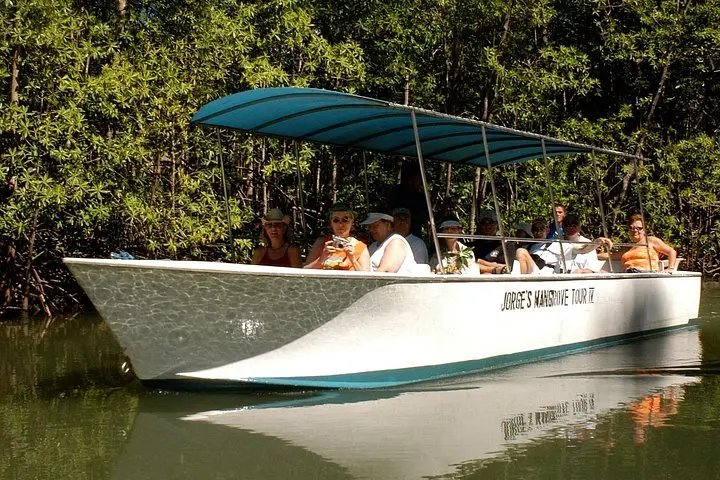
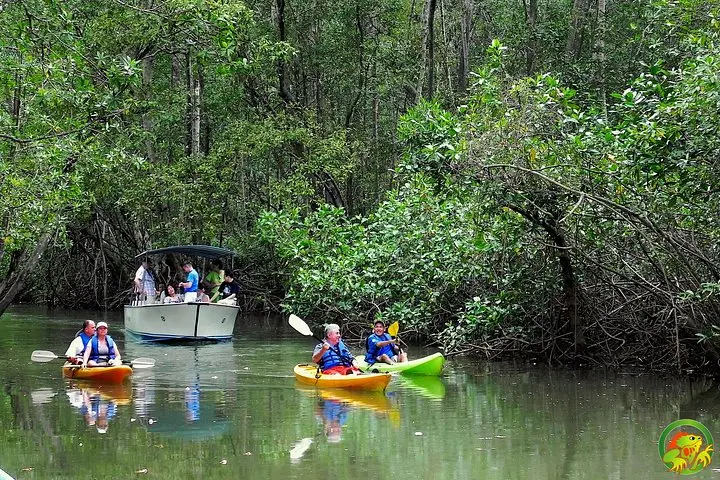
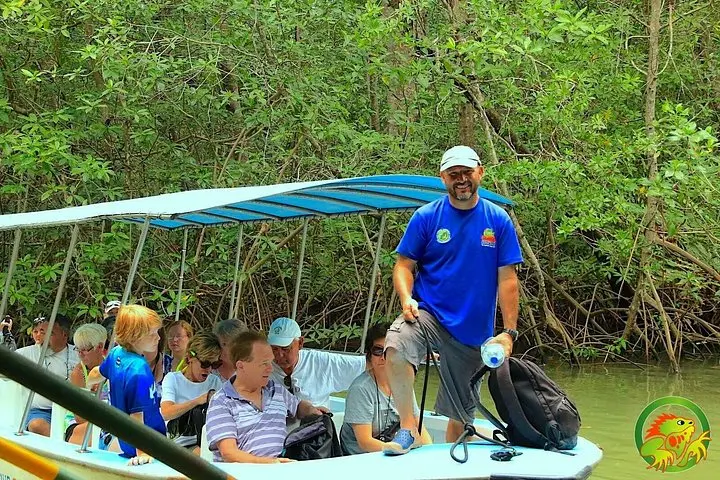
The boat slips forward and the river narrows until mangrove roots thread the water like dark ribs. Light filters through leaves, and the guide points quietly—an agouti on the bank, a sleeping crocodile, the sudden flash of a kingfisher. The soundscape is tidal: water nudging roots, birds calling, a motor ticking at low idle.
Verified experiences and guided adventures in the surrounding area.
Operated by Iguana Tours · Quepos, Puntarenas
The boat slips forward and the river narrows until mangrove roots thread the water like dark ribs. Light filters through leaves, and the guide points quietly—an agouti on the bank, a sleeping crocodile, the sudden flash of a kingfisher. The soundscape is tidal: water nudging roots, birds calling, a motor ticking at low idle.
Isla Damas is part of the coastal estuary system outside Quepos, where freshwater meets the Pacific and creates rich, brackish habitat. These mangroves trap sediment, shelter juvenile fish, and have supported local fishing communities for generations. Geologically the area reflects recent coastal uplift and sediment deposition; culturally, the mangroves are woven into daily life—boat access, shrimping and seasonal fishing still shape routines.
On a two- to four-hour tour you’ll travel narrow channels and wider estuarine pools. Expect slow, observational travel rather than open-sea cruising: binoculars and a steady camera are useful. Guides commonly point out white-faced capuchins, sloths, herons and howler monkeys; tides and light change the route and the wildlife you’ll see.
Practical notes: dress for sun and insects, bring a waterproof bag and motion-sickness remedies if you’re sensitive to small boats. Tours often include snacks and coffee; pick morning or late-afternoon departures for cooler temperatures and better light for photography. The tour is wheelchair-accessible in parts and suitable for most fitness levels, but expect some boat boarding steps. Respect nesting birds and avoid sudden movements—the mangrove will test your patience and reward close observation.
Tours run about 2 to 4 hours depending on tides and whether you choose a shorter or extended itinerary.
Yes—this tour is described as suitable for all fitness levels; boats are stable but there are small steps when boarding.
Common sightings include sloths, white-faced capuchins, howler monkeys, herons, kingfishers, and occasional crocodiles along quieter banks.
Small snacks and coffee or tea are typically provided; some departures include a light lunch or dinner depending on pickup time.
Iguana Tours operates guided outdoor trips and adventures with an emphasis on safety, stewardship, and memorable experiences.
The boat slips forward and the river narrows until mangrove roots thread the water like dark ribs. Light filters through leaves, and the guide points quietly—an agouti on the bank, a sleeping crocodile, the sudden flash of a kingfisher. The soundscape is tidal: water nudging roots, birds calling, a motor ticking at low idle.
The boat slips forward and the river narrows until mangrove roots thread the water like dark ribs. Light filters through leaves, and the guide points quietly—an agouti on the bank, a sleeping crocodile, the sudden flash of a kingfisher. The soundscape is tidal: water nudging roots, birds calling, a motor ticking at low idle.
Isla Damas is part of the coastal estuary system outside Quepos, where freshwater meets the Pacific and creates rich, brackish habitat. These mangroves trap sediment, shelter juvenile fish, and have supported local fishing communities for generations. Geologically the area reflects recent coastal uplift and sediment deposition; culturally, the mangroves are woven into daily life—boat access, shrimping and seasonal fishing still shape routines.
On a two- to four-hour tour you’ll travel narrow channels and wider estuarine pools. Expect slow, observational travel rather than open-sea cruising: binoculars and a steady camera are useful. Guides commonly point out white-faced capuchins, sloths, herons and howler monkeys; tides and light change the route and the wildlife you’ll see.
Practical notes: dress for sun and insects, bring a waterproof bag and motion-sickness remedies if you’re sensitive to small boats. Tours often include snacks and coffee; pick morning or late-afternoon departures for cooler temperatures and better light for photography. The tour is wheelchair-accessible in parts and suitable for most fitness levels, but expect some boat boarding steps. Respect nesting birds and avoid sudden movements—the mangrove will test your patience and reward close observation.