THE ADVENTURE COLLECTIVE® · Independent discovery and booking for outdoor travel

See two UNESCO sites in one long day: the painted caverns of Dambulla and the ruined royal capital of Polonnaruwa. This private day tour from Negombo pairs sacred cave temples with medieval stone sculpture and ancient irrigation feats.
See two UNESCO sites in one long day: the painted caverns of Dambulla and the ruined royal capital of Polonnaruwa. This private day tour from Negombo pairs sacred cave temples with medieval stone sculpture and ancient irrigation feats.
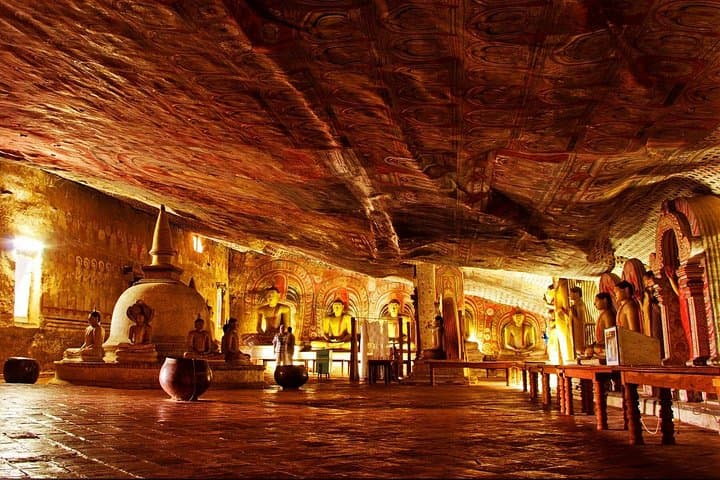
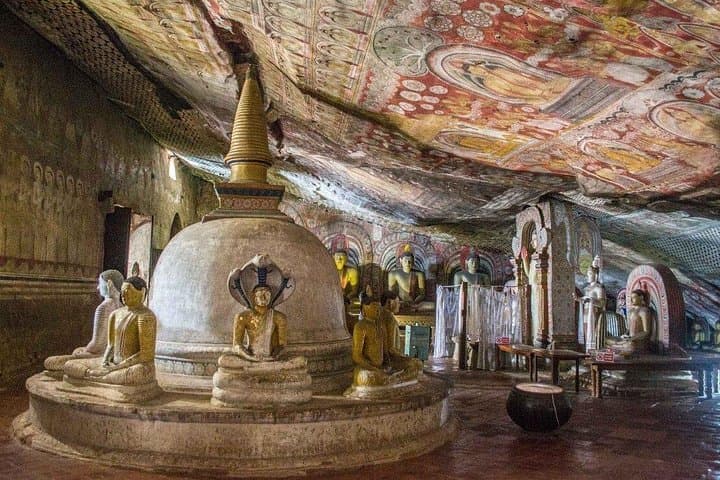
You step out of the air‑conditioned van into a bright, hot plain where rock faces rise like held breath. The first hush comes inside Dambulla’s cave temple: low chambers carved into volcanic rock, paintings across the ceiling, and a reclining gold Buddha that occupies a carved niche as if watching centuries pass. Later, the landscape opens — paddy fields and irrigation tanks lead you to Polonnaruwa, where cracked stone stupas and sleeping Buddha images sit amid grass and banyans.
Verified experiences and guided adventures in the surrounding area.
Operated by Classical Lanka Tours · Dambulla, North Central Province
You step out of the air‑conditioned van into a bright, hot plain where rock faces rise like held breath. The first hush comes inside Dambulla’s cave temple: low chambers carved into volcanic rock, paintings across the ceiling, and a reclining gold Buddha that occupies a carved niche as if watching centuries pass. Later, the landscape opens — paddy fields and irrigation tanks lead you to Polonnaruwa, where cracked stone stupas and sleeping Buddha images sit amid grass and banyans.
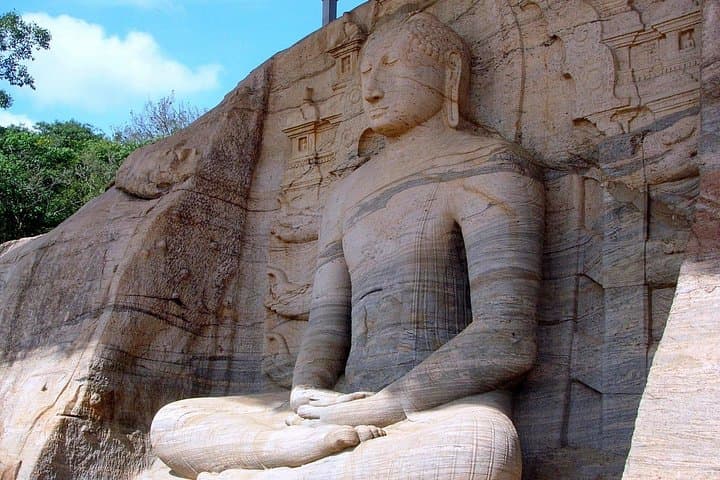
Dambulla’s cave complex dates back over two millennia and became a major pilgrimage site under successive Sri Lankan kingdoms. Polonnaruwa was the island’s medieval capital (11th–13th centuries) and shows sophisticated hydraulic engineering — notably the Parakrama Samudraya reservoir — alongside royal palaces, stupas and the carved Gal Vihara sculptures carved from a single granite outcrop.
Expect lots of short walks on uneven archaeological paths, brief climbs of temple rock approaches, and time inside cool, shaded corridors. Local artisans operate nearby shops for woodcarving and gems; the tour often includes stops that demonstrate traditional crafts and spice gardens. Plan for a 10–12 hour day from Negombo with bottled water and sun protection provided in‑vehicle but bring sturdy shoes and respect sacred spaces: remove hats and cover shoulders when entering shrines.
Practical rhythm: arrive early at Dambulla to avoid midday heat, save Polonnaruwa’s open ruins for the gentler late afternoon light, and leave time for the Parakrama Samudraya viewpoint — where manmade water still shapes the plains.
The private tour runs about 10–12 hours, typically leaving Negombo early for Dambulla, then continuing to Polonnaruwa with stops at Parakrama Samudraya and local woodcarving and gem centers.
Some archaeological site admissions and selected stops may require separate tickets; check the booking details—this operator lists several included admissions but confirm on booking.
The operator notes options for infant seats and some wheelchair accessibility; however, many ruins have uneven surfaces and steps, so mobility limitations may restrict access to certain areas.
Yes — stops often include woodcarving centers, gem houses and spice gardens where demonstrations and purchases are available; haggle respectfully and ask about certification for gems.
Classical Lanka Tours operates guided outdoor trips and adventures with an emphasis on safety, stewardship, and memorable experiences.

You step out of the air‑conditioned van into a bright, hot plain where rock faces rise like held breath. The first hush comes inside Dambulla’s cave temple: low chambers carved into volcanic rock, paintings across the ceiling, and a reclining gold Buddha that occupies a carved niche as if watching centuries pass. Later, the landscape opens — paddy fields and irrigation tanks lead you to Polonnaruwa, where cracked stone stupas and sleeping Buddha images sit amid grass and banyans.
You step out of the air‑conditioned van into a bright, hot plain where rock faces rise like held breath. The first hush comes inside Dambulla’s cave temple: low chambers carved into volcanic rock, paintings across the ceiling, and a reclining gold Buddha that occupies a carved niche as if watching centuries pass. Later, the landscape opens — paddy fields and irrigation tanks lead you to Polonnaruwa, where cracked stone stupas and sleeping Buddha images sit amid grass and banyans.
Dambulla’s cave complex dates back over two millennia and became a major pilgrimage site under successive Sri Lankan kingdoms. Polonnaruwa was the island’s medieval capital (11th–13th centuries) and shows sophisticated hydraulic engineering — notably the Parakrama Samudraya reservoir — alongside royal palaces, stupas and the carved Gal Vihara sculptures carved from a single granite outcrop.
Expect lots of short walks on uneven archaeological paths, brief climbs of temple rock approaches, and time inside cool, shaded corridors. Local artisans operate nearby shops for woodcarving and gems; the tour often includes stops that demonstrate traditional crafts and spice gardens. Plan for a 10–12 hour day from Negombo with bottled water and sun protection provided in‑vehicle but bring sturdy shoes and respect sacred spaces: remove hats and cover shoulders when entering shrines.
Practical rhythm: arrive early at Dambulla to avoid midday heat, save Polonnaruwa’s open ruins for the gentler late afternoon light, and leave time for the Parakrama Samudraya viewpoint — where manmade water still shapes the plains.