THE ADVENTURE COLLECTIVE® · Independent discovery and booking for outdoor travel

Glide through the bustling lanes of Damnoen Saduak’s floating market, then experience the chaos-turned-daily-routine at Mae Klong’s railway market. This private day tour mixes boat rides, local food, coconut-sugar demos and salt fields for a compact cultural immersion.
Glide through the bustling lanes of Damnoen Saduak’s floating market, then experience the chaos-turned-daily-routine at Mae Klong’s railway market. This private day tour mixes boat rides, local food, coconut-sugar demos and salt fields for a compact cultural immersion.
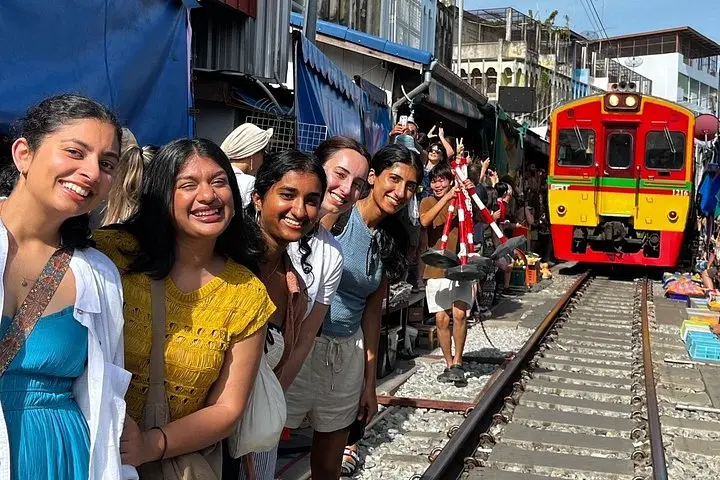
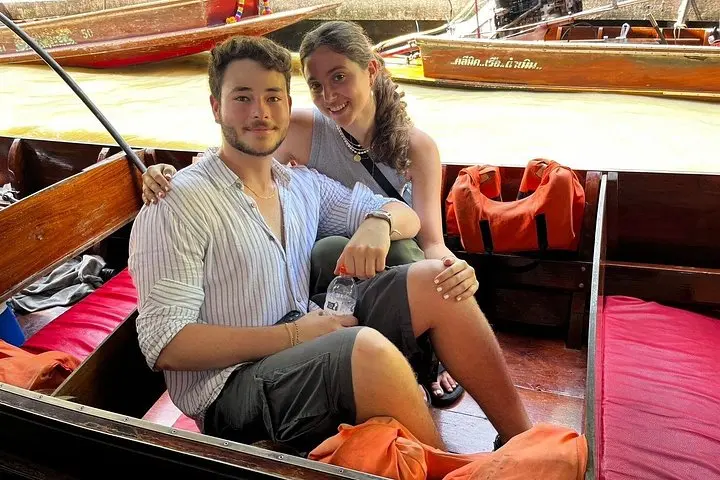
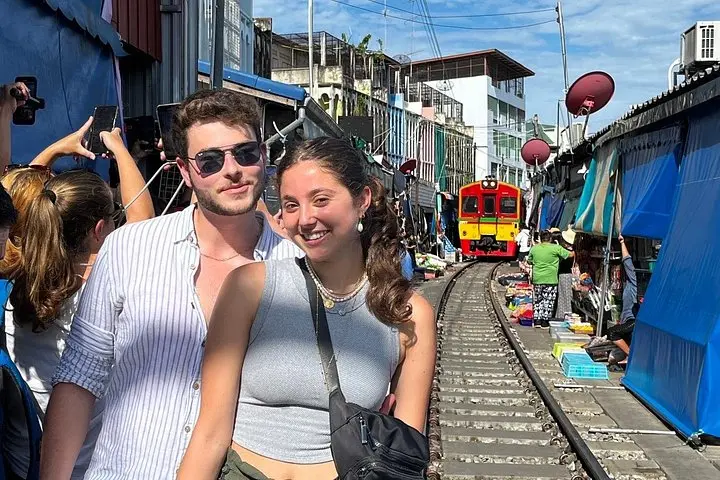
A motorboat parts the canal like a pen slicing paper and the market breathes around it—voices rise, paddle tips slap water, and clusters of color navigate narrow waterways. On this private tour travelers slip out of Bangkok's traffic and into a different rhythm: wooden boats full of fruit and noodles threading shaded canals at Damnoen Saduak, then a short drive to the iron ribbon of the Mae Klong railway market where vendors fold awnings aside to let the train pass.
Verified experiences and guided adventures in the surrounding area.
Operated by Thailand Insight Travel · Damnoen Saduak, Ratchaburi
A motorboat parts the canal like a pen slicing paper and the market breathes around it—voices rise, paddle tips slap water, and clusters of color navigate narrow waterways. On this private tour travelers slip out of Bangkok's traffic and into a different rhythm: wooden boats full of fruit and noodles threading shaded canals at Damnoen Saduak, then a short drive to the iron ribbon of the Mae Klong railway market where vendors fold awnings aside to let the train pass.
Both markets are products of local trade networks and practical engineering. Damnoen Saduak grew in the late 19th century after canal irrigation projects opened routes for agricultural commerce; its canals still serve as marketplaces and transport arteries. Mae Klong evolved where commerce met rail—stalls operate literally on top of the tracks, moving only seconds before a train runs through.
Culturally, these markets are active livelihoods: sellers, boatmen and small-scale producers—coconut-sugar makers and salt farmers—demonstrate techniques passed through generations. Geologically, the region's low alluvial plains and tidal influences shape canal routes and salt pans; sunlight and wind do much of the work for salt crystallization.
Practically, expect a mix of short boat rides, roadside walking, and crowded market lanes. Wear slip-resistant shoes for wet docks, carry small Thai baht notes for vendors, and plan for strong sun or sudden tropical showers depending on season. The tour balances vivid market theater with hands-on visits to a coconut sugar farm and coastal salt fields—an efficient way to move between waterborne commerce and rail-side spectacle in a single day.
Yes—private air-conditioned vehicle pickup and drop-off in Bangkok are included as stated in the tour inclusions.
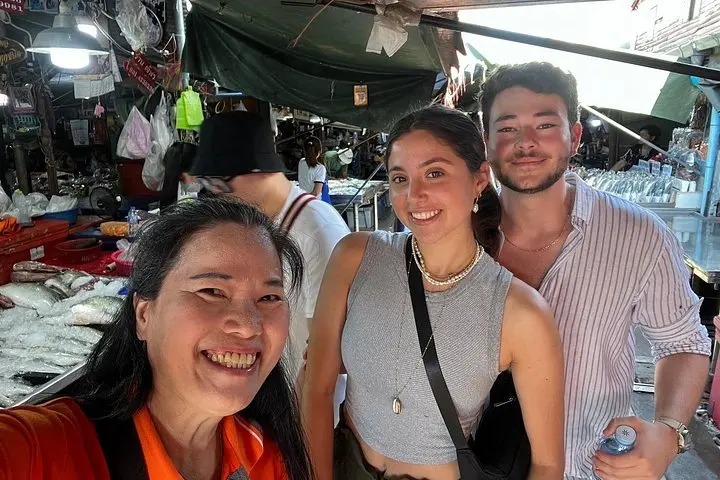
Meals are not packaged into the tour price, but there are ample opportunities to buy food from vendors at the floating market and stalls at Mae Klong.
The tour notes that infants 0–1 year are free; however, families should be comfortable with boat travel and crowded market areas.
A licensed English-speaking guide is provided for the duration of the tour.
Thailand Insight Travel operates guided outdoor trips and adventures with an emphasis on safety, stewardship, and memorable experiences.
A motorboat parts the canal like a pen slicing paper and the market breathes around it—voices rise, paddle tips slap water, and clusters of color navigate narrow waterways. On this private tour travelers slip out of Bangkok's traffic and into a different rhythm: wooden boats full of fruit and noodles threading shaded canals at Damnoen Saduak, then a short drive to the iron ribbon of the Mae Klong railway market where vendors fold awnings aside to let the train pass.
A motorboat parts the canal like a pen slicing paper and the market breathes around it—voices rise, paddle tips slap water, and clusters of color navigate narrow waterways. On this private tour travelers slip out of Bangkok's traffic and into a different rhythm: wooden boats full of fruit and noodles threading shaded canals at Damnoen Saduak, then a short drive to the iron ribbon of the Mae Klong railway market where vendors fold awnings aside to let the train pass.
Both markets are products of local trade networks and practical engineering. Damnoen Saduak grew in the late 19th century after canal irrigation projects opened routes for agricultural commerce; its canals still serve as marketplaces and transport arteries. Mae Klong evolved where commerce met rail—stalls operate literally on top of the tracks, moving only seconds before a train runs through.
Culturally, these markets are active livelihoods: sellers, boatmen and small-scale producers—coconut-sugar makers and salt farmers—demonstrate techniques passed through generations. Geologically, the region's low alluvial plains and tidal influences shape canal routes and salt pans; sunlight and wind do much of the work for salt crystallization.
Practically, expect a mix of short boat rides, roadside walking, and crowded market lanes. Wear slip-resistant shoes for wet docks, carry small Thai baht notes for vendors, and plan for strong sun or sudden tropical showers depending on season. The tour balances vivid market theater with hands-on visits to a coconut sugar farm and coastal salt fields—an efficient way to move between waterborne commerce and rail-side spectacle in a single day.