THE ADVENTURE COLLECTIVE® · Independent discovery and booking for outdoor travel
A 9-day section of the Jordan Trail linking Dana’s high ridges to Petra’s carved canyons, with Wadi Rum jeep-safaris and a Dead Sea finish. Expect remote camps, steep ascents, and Bedouin hospitality along the way.
A 9-day section of the Jordan Trail linking Dana’s high ridges to Petra’s carved canyons, with Wadi Rum jeep-safaris and a Dead Sea finish. Expect remote camps, steep ascents, and Bedouin hospitality along the way.
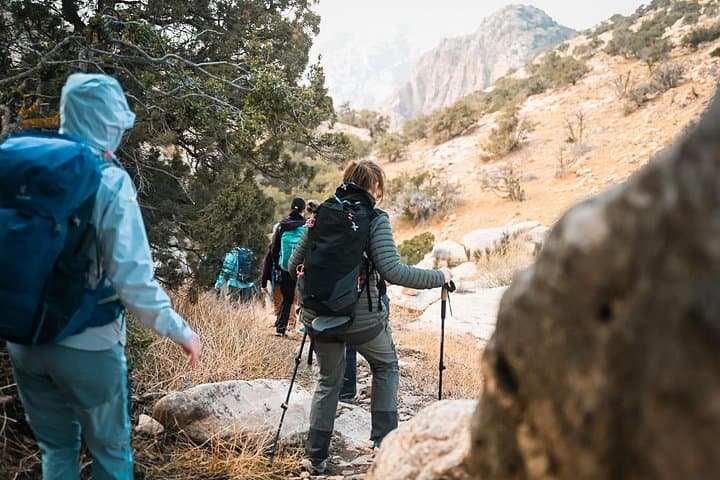
You stand on a ridge above Dana Valley as dawn washes the sandstone in copper light. Underfoot are stony tracks worn by shepherds and donkeys; ahead, ridgelines fall away into a patchwork of pale canyons that will carry you toward the carved façades of Petra and the ochre emptiness of Wadi Rum.
Verified experiences and guided adventures in the surrounding area.
Operated by Experience Jordan Adventures · Wadi Musa, Ma'an Governorate
You stand on a ridge above Dana Valley as dawn washes the sandstone in copper light. Underfoot are stony tracks worn by shepherds and donkeys; ahead, ridgelines fall away into a patchwork of pale canyons that will carry you toward the carved façades of Petra and the ochre emptiness of Wadi Rum.
The route follows part of the Jordan Trail through the Dana Biosphere Reserve, an area of four distinct ecozones where Juniper-clad slopes give way to arid plateaus. Geology here is honest: soft sandstone carved by wind and water yields narrow siqs, mushroom rocks, and steep terraces. Human history is present in Nabataean water channels, Little Petra’s rock-cut houses, and Bedouin camps that still serve tea and stories beside evening fires.
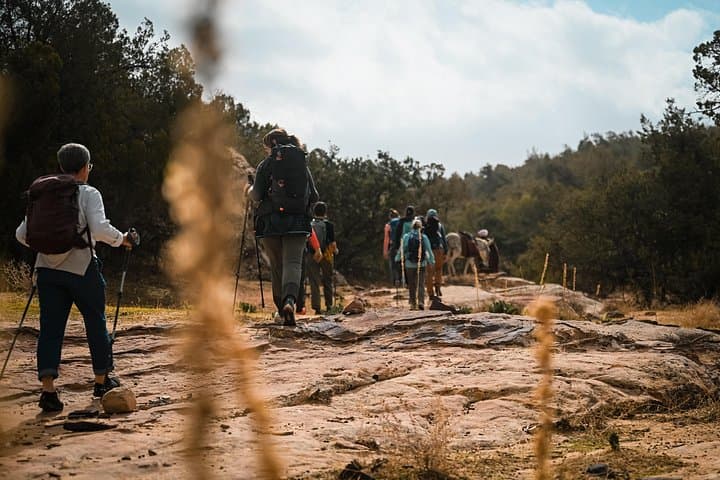
Expect consecutive days of 13–17 km walks, regular ascents and descents (several days with 400–750 m of gain), remote wilderness camps, and a guided approach that includes luggage transfers and a local guide with a donkey for support. Wadi Rum’s granite and sandstone towers invite short scrambles and jeep traverses; the Dead Sea offers a buoyant, restorative float on the final full day.
Practical edge: start hikes early to avoid midday heat, carry 3–4 L of water and a sun shelter, and bring sturdy boots with good grip for narrow terraces and loose scree. Camps provide simple bedding but be ready for cold desert nights. This itinerary demands solid fitness and respect for fragile desert ecosystems—but rewards hikers with wide views, quiet canyons, and a direct encounter with Jordan’s ancient landscapes.
Participants should be in good cardiovascular shape and able to hike 13–17 km with 400–750 m elevation change on consecutive days; training hikes beforehand are recommended.
The itinerary lists admissions where required; confirm whether Petra & reserve entry fees are included at booking or payable locally (many organized tours include Petra entrance).
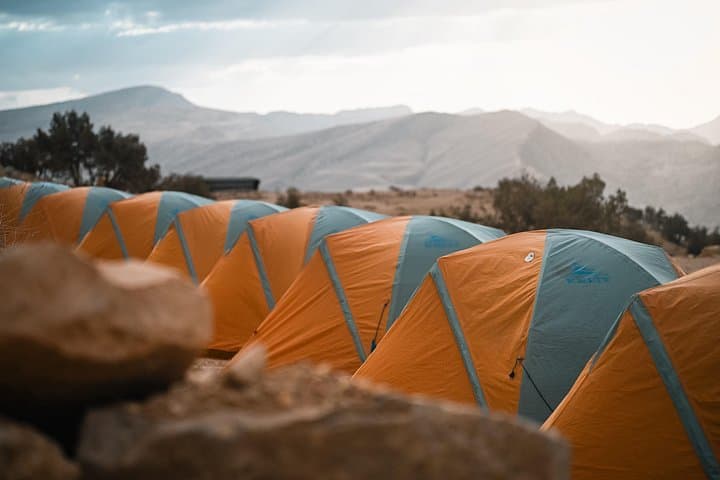
Camps are basic wilderness or Bedouin-style: tents with bedding in Bedouin camps, wilderness sites use simple sleeping arrangements—hot showers arrive later in the trip near Petra.
Yes—luggage transfers by vehicle are provided so you hike with a daypack; guides and a donkey assist on some remote sections.
Experience Jordan Adventures operates guided outdoor trips and adventures with an emphasis on safety, stewardship, and memorable experiences.

You stand on a ridge above Dana Valley as dawn washes the sandstone in copper light. Underfoot are stony tracks worn by shepherds and donkeys; ahead, ridgelines fall away into a patchwork of pale canyons that will carry you toward the carved façades of Petra and the ochre emptiness of Wadi Rum.
You stand on a ridge above Dana Valley as dawn washes the sandstone in copper light. Underfoot are stony tracks worn by shepherds and donkeys; ahead, ridgelines fall away into a patchwork of pale canyons that will carry you toward the carved façades of Petra and the ochre emptiness of Wadi Rum.
The route follows part of the Jordan Trail through the Dana Biosphere Reserve, an area of four distinct ecozones where Juniper-clad slopes give way to arid plateaus. Geology here is honest: soft sandstone carved by wind and water yields narrow siqs, mushroom rocks, and steep terraces. Human history is present in Nabataean water channels, Little Petra’s rock-cut houses, and Bedouin camps that still serve tea and stories beside evening fires.
Expect consecutive days of 13–17 km walks, regular ascents and descents (several days with 400–750 m of gain), remote wilderness camps, and a guided approach that includes luggage transfers and a local guide with a donkey for support. Wadi Rum’s granite and sandstone towers invite short scrambles and jeep traverses; the Dead Sea offers a buoyant, restorative float on the final full day.
Practical edge: start hikes early to avoid midday heat, carry 3–4 L of water and a sun shelter, and bring sturdy boots with good grip for narrow terraces and loose scree. Camps provide simple bedding but be ready for cold desert nights. This itinerary demands solid fitness and respect for fragile desert ecosystems—but rewards hikers with wide views, quiet canyons, and a direct encounter with Jordan’s ancient landscapes.
