THE ADVENTURE COLLECTIVE® · Independent discovery and booking for outdoor travel

A private full-day drive around the Danube Bend moves from mountaintop lookouts to royal basilicas and baroque artists’ alleys. This practical guide outlines what to expect—terrain, cultural highlights, and tips to make the most of an eight-hour exploration from Budapest.
A private full-day drive around the Danube Bend moves from mountaintop lookouts to royal basilicas and baroque artists’ alleys. This practical guide outlines what to expect—terrain, cultural highlights, and tips to make the most of an eight-hour exploration from Budapest.
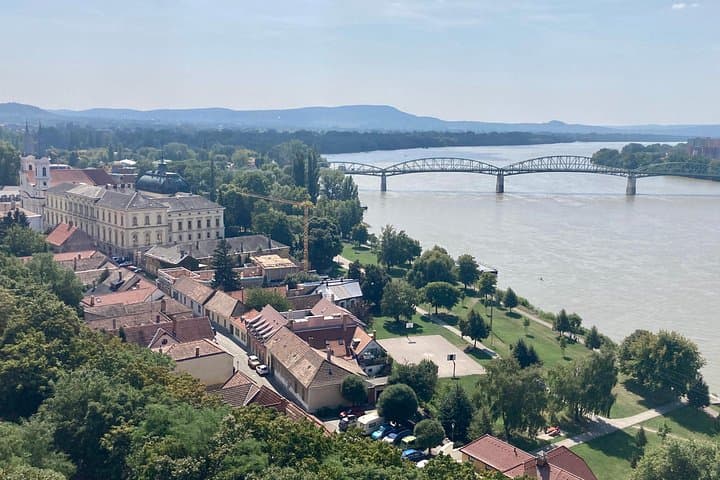
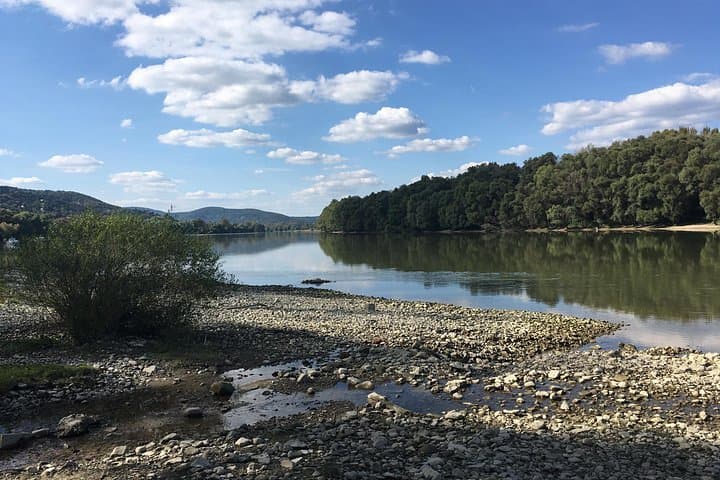
The van eases up a wooded ridge and the Danube appears like a slow-moving ribbon, folding back on itself. At Dobogókő the wind cuts across open pine slopes and the whole river loop is visible: a raw, geological gesture carved over millennia. Travelers on this private full-day excursion move from highland lookout to baroque alley, the day paced by viewpoints and short walks rather than a single long hike.
Verified experiences and guided adventures in the surrounding area.
Operated by Private Sightseeing Tours in Budapest and in Hungary · Visegrád, Pest County
The van eases up a wooded ridge and the Danube appears like a slow-moving ribbon, folding back on itself. At Dobogókő the wind cuts across open pine slopes and the whole river loop is visible: a raw, geological gesture carved over millennia. Travelers on this private full-day excursion move from highland lookout to baroque alley, the day paced by viewpoints and short walks rather than a single long hike.
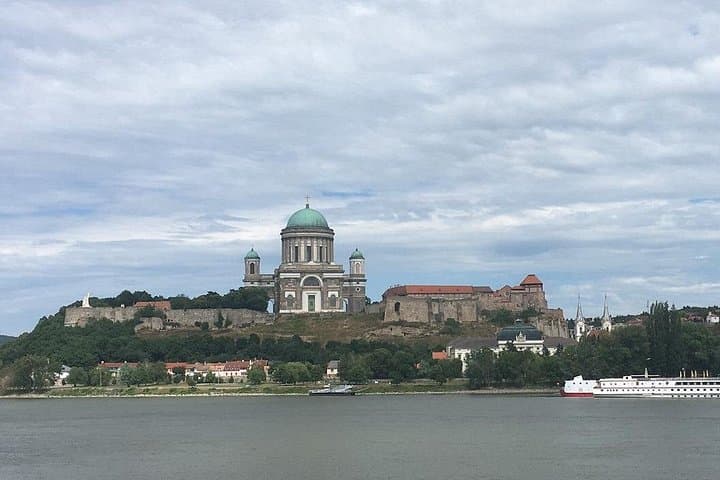
The Danube Bend marks the edge where the great river, pressed by Paleogene-era uplifts, turned north before resuming its eastward march. Esztergom—once Hungary's first royal seat and still the seat of the archbishop—anchors the bend with the country’s largest basilica, its dome offering a literal and symbolic high point. Visegrád’s medieval citadel perches above the river, a strategic fortress that watched trade and armies pass for centuries. Szentendre, downstream, carries a slower history: a magnet for Serbian and Balkan craftsmen in the 17th–18th centuries, today a compact town of galleries, cafés and narrow streets lined with Baroque façades.
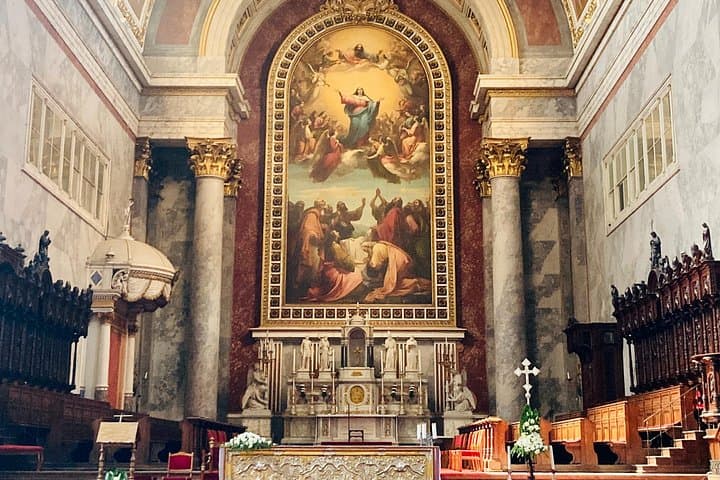
On the ground the tour is practical and flexible. Dobogókő rises to roughly 700 meters—an easy vantage for photos and brief forest walks. Esztergom’s basilica includes an interior guided visit and, for those willing to climb narrow stairs, a dome ascent that pays back with panoramic views across to Slovakia. Visegrád’s fortress loop is rocky and historic; expect uneven stone steps and short uphill sections. Szentendre is largely flat and pedestrian-friendly, ideal for wandering markets and studios.
Culturally the day balances ecclesiastical power, medieval fortifications and contemporary craft—guides will point out the treasury pieces in the basilica, the coronation monument below, and small ateliers where local artists continue long ceramic and painting traditions.
Practical notes: the trip departs Budapest and runs about eight hours with private transport and bottled water provided. Comfortable walking shoes and layers are essential—weather can change quickly on exposed lookouts. Bring cash for small shops and museum entry if you plan extra stops; the basilica guided tour fee is included, but some side museums are not. Mobility varies by stop: the tour lists stroller access for parts of the route but expect stairs and cobbled streets in historic zones.
For photographers aim for morning and late afternoon light at Dobogókő and Visegrád’s citadel; Szentendre’s alleys take best light in soft midday shade. Book early during high season—this private option sells out—and plan a modest pace: the Danube Bend rewards attention more than speed.
Yes—this private tour can start from any hotel or accommodation in Budapest; provide your pickup address at booking.
Expect short walks and stair climbs at each stop—typically 10–30 minutes on-site, with some uphill sections at Dobogókő and Visegrád.
The guided inside tour and fee for Esztergom Basilica are included; additional museums in Szentendre may have separate admission.
Infants and small children can use strollers for parts of the route, but many sites have stairs and uneven surfaces—infant seats are available on request.
The tour provides a professional guide—confirm language preference when booking to ensure an English-speaking guide if required.
Yes—this private excursion is flexible and can be tailored to interests such as extra time in Szentendre or skipping dome climbs.
Private Sightseeing Tours in Budapest and in Hungary operates guided outdoor trips and adventures with an emphasis on safety, stewardship, and memorable experiences.
The van eases up a wooded ridge and the Danube appears like a slow-moving ribbon, folding back on itself. At Dobogókő the wind cuts across open pine slopes and the whole river loop is visible: a raw, geological gesture carved over millennia. Travelers on this private full-day excursion move from highland lookout to baroque alley, the day paced by viewpoints and short walks rather than a single long hike.
The van eases up a wooded ridge and the Danube appears like a slow-moving ribbon, folding back on itself. At Dobogókő the wind cuts across open pine slopes and the whole river loop is visible: a raw, geological gesture carved over millennia. Travelers on this private full-day excursion move from highland lookout to baroque alley, the day paced by viewpoints and short walks rather than a single long hike.
The Danube Bend marks the edge where the great river, pressed by Paleogene-era uplifts, turned north before resuming its eastward march. Esztergom—once Hungary's first royal seat and still the seat of the archbishop—anchors the bend with the country’s largest basilica, its dome offering a literal and symbolic high point. Visegrád’s medieval citadel perches above the river, a strategic fortress that watched trade and armies pass for centuries. Szentendre, downstream, carries a slower history: a magnet for Serbian and Balkan craftsmen in the 17th–18th centuries, today a compact town of galleries, cafés and narrow streets lined with Baroque façades.
On the ground the tour is practical and flexible. Dobogókő rises to roughly 700 meters—an easy vantage for photos and brief forest walks. Esztergom’s basilica includes an interior guided visit and, for those willing to climb narrow stairs, a dome ascent that pays back with panoramic views across to Slovakia. Visegrád’s fortress loop is rocky and historic; expect uneven stone steps and short uphill sections. Szentendre is largely flat and pedestrian-friendly, ideal for wandering markets and studios.
Culturally the day balances ecclesiastical power, medieval fortifications and contemporary craft—guides will point out the treasury pieces in the basilica, the coronation monument below, and small ateliers where local artists continue long ceramic and painting traditions.
Practical notes: the trip departs Budapest and runs about eight hours with private transport and bottled water provided. Comfortable walking shoes and layers are essential—weather can change quickly on exposed lookouts. Bring cash for small shops and museum entry if you plan extra stops; the basilica guided tour fee is included, but some side museums are not. Mobility varies by stop: the tour lists stroller access for parts of the route but expect stairs and cobbled streets in historic zones.
For photographers aim for morning and late afternoon light at Dobogókő and Visegrád’s citadel; Szentendre’s alleys take best light in soft midday shade. Book early during high season—this private option sells out—and plan a modest pace: the Danube Bend rewards attention more than speed.